Logo
Get Estimate

Appliance leak water cleanup in Illinois

We remove water and dry the damage at its source


Appliance leak water cleanup in Illinois helps homeowners and property managers stop damage from a failed washer hose, dishwasher, refrigerator line, or other leaking appliance. Our team removes standing water, checks the materials it reached, and dries affected floors and walls before hidden moisture leads to further trouble. For appliance leak water removal in Illinois, call when a leak is active or when the appliance is off but the floor remains wet.

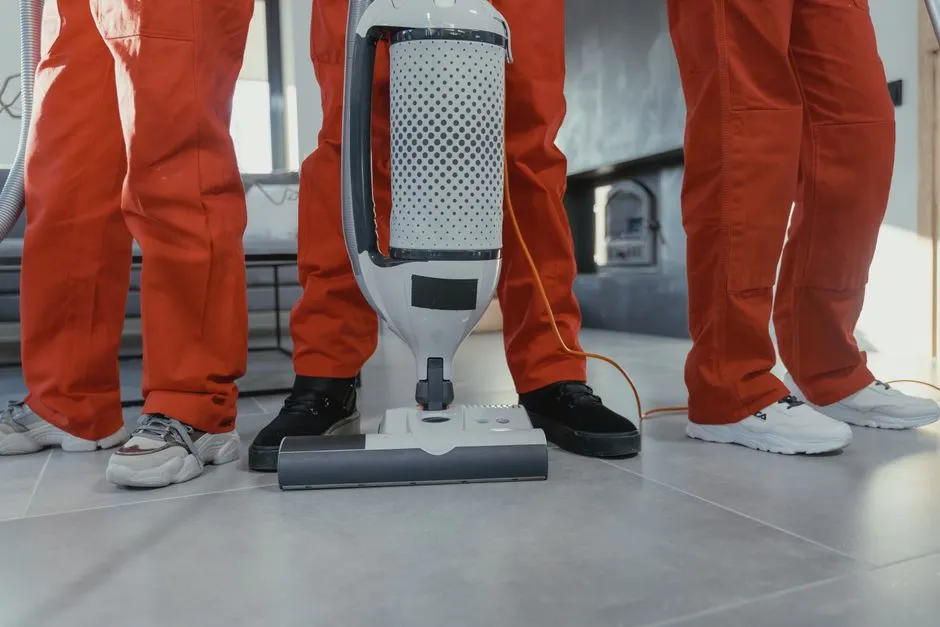
Team of professional cleaners in red uniforms using a vacuum cleaner indoors.
Licensed Licensed & Bonded
Fully Insured Insured & Bonded
24/7 Emergency Same-Day Response
Warranty Backed Workmanship Guaranteed

What's Included in Appliance Cleanup

Our appliance leak service covers the water-damage response: locating the affected area, extracting accessible water, checking nearby materials, and setting drying equipment where measurements call for it. We also explain appliance-source concerns and identify visible material damage. Appliance replacement, plumbing-part installation, and reconstruction are separate trade or repair tasks; we help you understand when those steps are needed.

Leak-area inspection

We inspect the appliance footprint, nearby floor seams, cabinet edges, and lower wall surfaces to understand where water traveled. You receive a practical explanation of the affected area and the materials that need readings or additional attention.

Standing water removal

Our crew extracts pooled water from accessible hard floors, carpet, and low areas using equipment suited to the volume and access. We work around cabinets and appliances carefully, then check the floor edges where water can remain after the surface looks clear.

Moisture measurement

We take moisture readings at affected materials and compare them with nearby dry areas. That helps identify damp baseboards, drywall, or flooring that needs further drying and gives you a clearer basis for deciding on repairs.

Targeted structural drying

We position air movers and dehumidification equipment to move moisture out of affected materials. Equipment placement and follow-up checks reflect the room layout and material readings, rather than a one-size-fits-all schedule.

Cleanup and next steps

We remove residual surface water, keep the work area orderly, and review what the moisture checks show. If a flooring section, cabinet panel, or appliance connection needs repair, we explain the issue so you can arrange the appropriate repair.

Appliance Leak Water Cleanup in Illinois


Appliance leak water cleanup in Illinois is a water-damage service that removes escaped appliance water and dries affected building materials after a leak or overflow. We first locate the wet area and stop or isolate the source, then extract water from hard floors, carpet, and accessible cavities. A moisture meter helps us map dampness beyond the visible puddle; drying equipment follows where readings show moisture remains. The work can include moving an appliance safely, addressing wet carpet padding, and checking baseboards or subflooring so you know what is dry and what needs repair.

Illinois homes face different leak patterns as temperatures shift from freezing winter nights to humid summer weather. A washer hose can split during a cold snap, while a refrigerator line or dishwasher connection can seep unnoticed behind cabinetry. We handle emergency appliance leak water cleanup in Illinois when a fresh leak has spread across several rooms, as well as smaller contained spills that have soaked flooring. In older buildings, water can travel beneath finished surfaces before it appears at a wall edge, so we measure rather than judge by appearance.

What Happens During Cleanup

Appliance leak water cleanup in Illinois follows a practical sequence: stop the leak, remove water, map moisture, dry affected materials, and verify progress. A contained kitchen spill may take a few hours of active work; saturated flooring or a wet wall assembly requires repeated checks over the following days. We tell you what we are doing as we go.

01

Schedule

Call or book online — a real human picks up and confirms a 2-hour arrival window.

02

Diagnose

Licensed tech inspects on-site, then walks you through the cause and your options.

03

Fix

The job is completed to code and done right the first time — no shortcuts, no surprises.

04

Guarantee

Every job backed by a written workmanship warranty — and we stand behind it.

Equipment and Drying Methods

Tools & Equipment

Truck-mounted water extraction unit

Used where the property layout allows, this unit removes larger amounts of water from accessible flooring and carpet. Strong extraction reduces residual water before the drying phase begins.

Portable extraction machine

A portable machine fits tighter rooms, upper floors, and laundry closets where larger equipment cannot reach. We use it to pull water from accessible floor surfaces and carpeted areas.

Moisture meter

We use meter readings to locate damp building materials and track changes during drying. Comparing affected points with nearby dry areas helps us decide whether equipment needs repositioning.

LGR dehumidifier

An LGR dehumidifier removes moisture from room air while air movers circulate it across wet surfaces. We select placement based on room conditions, affected materials, and safe access.

HEPA air scrubber

A HEPA air scrubber with HEPA filter media can support controlled work when the affected area requires airborne particle management. We determine whether it is appropriate from the conditions and work being performed.

Methods & Standards

Moisture mapping and verification

We record the affected footprint and identify repeat measurement points before drying begins. During follow-up visits, we compare those readings and check adjacent materials. This method helps us spot slow-drying areas and verify progress based on measurable conditions rather than appearance alone.

Controlled air movement

We place air movers to circulate air across wet flooring, baseboards, and other accessible surfaces without blocking essential walkways. Equipment placement changes if readings show that a material is drying unevenly. The goal is to remove moisture efficiently while keeping the home usable where practical.

Material-specific drying decisions

Tile, carpet padding, laminate, and drywall respond differently to water exposure. We assess their condition and readings before choosing whether to dry in place or recommend removal and repair. For cleaning products, we follow EPA-registered disinfectant label requirements, including the labeled contact time.

Safe work-zone setup

We position equipment and route cords to preserve safe access around wet floors and appliance connections. If an area presents an electrical or structural concern, we keep people out of that space until it is safe to proceed. Our crew follows OSHA workplace safety standards during handling and setup.

When Cleanup Is Needed

01

A washing machine hose releases water across a laundry floor during a cold Illinois night.

What we do: We help stop the supply, extract water from the laundry area, and check nearby hall flooring and baseboards. A moisture meter guides whether drying equipment is needed beyond the room. We also point out the hose connection or drain that needs repair before you run the washer again.

→ You get the water out, a mapped view of affected materials, and a clear drying plan rather than relying on a dry-looking surface.

02

A refrigerator water line slowly leaks behind a kitchen appliance and cabinet run.

What we do: We inspect the appliance recess and cabinet edges, remove accessible water, and check adjacent flooring and lower wall materials. If moisture has moved beneath a finish surface, our readings help identify the affected boundary and guide equipment placement.

→ The hidden wet area is addressed, and you know whether the next step is continued drying, a material repair, or a plumbing connection repair.

03

A dishwasher overflows during a cycle and water crosses the kitchen threshold.

What we do: Our crew extracts water from the kitchen and adjoining floor, checks the transition and nearby baseboards, and sets air movers where moisture remains. We also identify whether the spill appears related to the appliance, drain, or connection so the correct repair can follow.

→ Water is removed from both visible and affected edges, with follow-up readings to confirm drying progress before equipment is taken away.

04

An upstairs appliance leak drips through a ceiling and wets the room below.

What we do: We inspect both the appliance room and the ceiling area below, extract water from accessible surfaces, and check affected drywall and flooring. We identify wet materials that require controlled drying or repair and keep the source appliance shut down until its leak is fixed.

→ You receive a coordinated view of the leak path across floors, reducing the chance that a dry upper floor hides a wet ceiling cavity.

How Cleanup Works Across Illinois

Appliance leak water cleanup across Illinois has to account for winter freezes, summer humidity, and varied building layouts. In November and through winter, a cold laundry room or an exterior-wall refrigerator line raises concern for a frozen pipe or split supply connection; in humid summer weather, wet carpet and drywall can take longer to release moisture. Older homes may have layered flooring or finished basements, while newer layouts often place laundry equipment on upper floors, where water can affect a ceiling below. Our appliance leak water removal in Illinois starts with the appliance and follows the moisture path through the building. We use local experience to adapt access, equipment placement, and drying checks to the property rather than assuming the same setup everywhere. If you are dealing with refrigerator line leak cleanup for Illinois homeowners, we inspect cabinet bases and adjacent floor transitions as well as the appliance recess. Where repairs involve regulated materials or reconstruction, we account for applicable EPA Lead Renovation, Repair and Painting requirements and local requirements before that work proceeds. Our focus stays on prompt extraction, documented drying, and a practical handoff for repairs.

Neighborhoods We Serve

  • Joliet residential blocks

    Laundry areas and finished lower levels can place appliance connections beside stored belongings. We keep an access path open while checking floor edges and lower wall materials.

  • Wilmette homes

    A refrigerator line leak can disappear beneath kitchen cabinetry before reaching open floor. We check the toe-kick and adjoining materials instead of limiting inspection to the appliance front.

  • Carbondale properties

    Seasonal humidity can affect how quickly materials release moisture. We monitor actual readings and adjust drying equipment instead of using a fixed run time.

  • Belvidere homes

    Cold-season appliance connections deserve attention where supply lines run along cooler exterior walls. We inspect the source area and surrounding materials after a leak.

Local Conditions We Plan For

  • Freezing winter nights stress exposed appliance supply lines

    A frozen pipe or brittle hose can split and release water when temperatures rise. We focus first on stopping the flow, then check flooring and walls for water that moved while the property was unattended.

  • Humid summer air slows drying in enclosed rooms

    Laundry closets and cabinet spaces can hold moisture when room air is already humid. We use dehumidification and repeat readings to confirm materials are drying instead of relying on surface feel.

  • Finished basements conceal water below flooring

    Water from an appliance can move under carpet or finished floor layers before showing at the edges. We inspect accessible transitions and explain when a hidden assembly needs further evaluation or material removal.

Washer Hose Spill Contained

Before

A detached washer hose left standing water across the laundry floor and into the hall. The surface looked mostly clear after towels were used, but the carpet edge and baseboard remained damp. The household could not tell whether water had reached the subfloor or whether running a fan would be enough.

After

We extracted the remaining water, checked the hall transition and baseboard, and positioned air movers at the affected edges. Follow-up readings over the next 2 to 4 days showed a downward trend and confirmed when the area reached a dry condition. The damaged hose was identified for replacement before the washer returned to service.

Maintenance: Replace worn washer hoses according to the manufacturer's guidance, inspect connections during routine laundry checks, and close the supply valves when away for an extended period. Keep the floor around the machine clear enough to spot a new drip.

Before

A refrigerator supply line seeped behind the appliance, leaving a narrow wet strip at the cabinet base. The leak had reached flooring outside the refrigerator recess, but the visible puddle understated the affected area. The homeowner needed to know whether moisture had entered the cabinet toe-kick.

After

We removed accessible water, measured the cabinet edge and nearby floor, and dried the affected area with controlled airflow and dehumidification. The readings showed where moisture remained and where it had returned to a dry range. The homeowner arranged a line repair before reconnecting the refrigerator.

Maintenance: Check refrigerator supply connections for kinks, corrosion, or dampness during kitchen cleaning. If you pull the appliance forward, avoid stressing the line and confirm the connection remains dry after it is repositioned.

Before

A dishwasher overflow spread across the kitchen and crossed a flooring transition. The water was mopped quickly, but the edge near the cabinets stayed damp and the adjoining room was not checked. Without measurements, the household could not tell whether the spill had reached the next room.

After

We extracted the kitchen water, inspected the threshold and cabinet base, and checked the adjoining floor. Air movers and a dehumidifier ran while our team monitored moisture readings. The work confirmed the affected boundary and provided a clear point to close out drying and arrange any needed flooring repair.

Maintenance: Keep the dishwasher filter clear, check the door seal for residue or damage, and watch the area beneath the sink and beside the appliance for drips. Stop the cycle if water appears outside the tub.

Problems Solved After Appliance Leaks

A leak can spread farther than the visible puddle, especially under flooring or behind a cabinet. We remove water, check the likely travel path, and dry affected materials before you are left guessing about lingering dampness. The right response depends on the source, volume, and construction.

Problem

Water trapped beneath a washing machine and carpet edge

Moisture can soak carpet padding and reach the subfloor, leaving a musty odor or causing materials to swell even after the room surface dries.

Our Fix

We extract water from the exposed floor and carpet, check the carpet edge and accessible subflooring, and use moisture readings to guide drying. If the padding remains saturated, we explain whether it can be dried in place or needs removal. We also advise you to keep the machine disconnected until the hose or drain issue is repaired.

Problem

Slow refrigerator line leak behind cabinets

A small leak can travel along a wall or cabinet base for days before it becomes obvious, leaving hidden moisture and damage to lower materials.

Our Fix

We inspect the refrigerator footprint, cabinet toe-kick, adjacent flooring, and nearby wall. Our team removes accessible water, checks readings at likely travel points, and sets drying equipment where needed. We identify the source area for appliance or plumbing repair, helping you avoid treating the visible puddle as the whole problem.

Problem

Dishwasher overflow spreading into an adjoining room

Water crossing a flooring transition can reach a hallway or dining area and affect multiple surfaces before anyone notices the full extent.

Our Fix

We map the spill across both rooms, extract standing water, and check seams and transitions where water collects. Dishwasher leak water extraction is followed by material-specific drying and repeat readings. We keep the appliance out of service until the overflow cause is addressed, reducing the chance of a second wetting.

Problem

Appliance leak mixed with basement standing water

An appliance spill combined with basement flooding or sump pump failure makes it difficult to distinguish the source and determine which materials need drying.

Our Fix

We assess the entire wet area and separate the appliance path from other water entry where possible. The crew removes pooled water, checks lower-level materials, and plans drying around the basement layout. If a sump or plumbing issue is also present, we explain the related service needed to address that source.

Dry Rooms, Fewer Surprises

Dry Rooms, Fewer Surprises

A quick mop removes surface water, not moisture trapped under flooring or inside a wall. We focus on the full wet footprint, explain what the readings show, and choose extraction and drying methods that fit your materials. You get a clear sequence of work and practical updates as the space dries.

  • Water removed at once

    We use a truck-mounted water extraction unit or portable extraction machine suited to the room and access. On a hard-floor spill, we pull standing water first, then work along seams and edges where liquid collects. That reduces the time water sits against flooring and gives our team a cleaner starting point for moisture checks.

  • Hidden moisture measured

    A wet-looking floor is not the whole story. We check nearby baseboards, drywall, and accessible subflooring with a moisture meter, then compare affected readings with dry areas. If a wall cavity or cabinet toe-kick holds moisture, we explain the next drying step before placing equipment.

  • Appliance leak source isolated

    We identify whether the water came from a supply hose, drain connection, ice-maker line, or appliance overflow, and help stop the immediate spread. Our washing machine leak cleanup service addresses the water damage; a failed appliance part may need a separate repair so the same leak does not return.

  • Drying matched to materials

    Carpet, tile, laminate, and wood respond differently to water. We set air movers and dehumidification according to the affected materials and room conditions, then recheck moisture rather than relying on a fixed run time. You can see the readings and understand when drying is complete.

Training and Work Standards

Licensed & Certified

  • Water Damage Restoration Technician — issued by Institute of Inspection, Cleaning and Restoration Certification
  • Applied Structural Drying — issued by Institute of Inspection, Cleaning and Restoration Certification
  • Applied Microbial Remediation Technician — issued by Institute of Inspection, Cleaning and Restoration Certification

Verified Reviews

Google ★★★★★4.9

A homeowner described a washing machine hose leak that wet the laundry room and hallway. The crew extracted the water, checked the floor edges with a moisture meter, and returned to verify drying. The practical explanation of the readings helped the family understand why equipment stayed in place.

Yelp ★★★★★5.0

A refrigerator line leak had spread beneath the cabinet edge. The cleanup team checked the toe-kick and adjacent flooring, removed accessible water, and explained where a plumbing repair was still needed. The homeowner appreciated that the crew did not call the area dry just because the visible puddle was gone.

Google ★★★★★4.8

After a dishwasher overflow, the crew checked both the kitchen and the room beyond the threshold. They showed the homeowner which areas were wet, placed drying equipment without blocking the main walkway, and reviewed follow-up readings before removing it.

Practical Cleanup Expertise

Midwest Water Damage Pros handles appliance leaks as a building-drying problem, not just a cleanup of visible water. Our technicians use established water-damage procedures, document affected materials, and select extraction and drying equipment for the space. Training relevant to the work includes IICRC Water Damage Restoration Technician (WRT) principles and Applied Structural Drying practices. We also account for safe work areas, appropriate disinfectant use, and material-specific drying needs. No two leaks follow the same path; the readings, construction, and source determine the work.

  • We trace moisture from the appliance footprint to nearby flooring edges, cabinet bases, and lower drywall before setting drying equipment.
  • Our team applies IICRC Water Damage Restoration Technician principles to extraction, documentation, and monitoring.
  • We use moisture readings to guide equipment changes, rather than promising a fixed drying duration for every building.
  • When cleanup involves treated products, we follow EPA-registered disinfectant label requirements and the product's stated contact time.
  • We keep work areas organized and follow OSHA workplace safety standards while handling wet electrical-adjacent spaces and heavy equipment.
Get Started Today
Practical Cleanup Expertise

Cities We Serve Across Illinois

Midwest Water Damage Pros provides appliance leak water cleanup across Illinois, from established communities and dense suburbs to smaller cities across the state. We adjust equipment and access plans to the property, whether a washer is in a basement or a refrigerator line is behind kitchen cabinetry. Our crews bring the same measured approach to appliance leak water removal in Illinois: stop the source, extract water, map moisture, and verify drying. Contact us with your city and the appliance involved.
Joliet

In Joliet, we remove water from laundry floors and finished lower levels, then check flooring edges and baseboards for moisture that towels cannot reach.

Bolingbrook

Bolingbrook appliance cleanup includes tracing water from the appliance footprint into nearby rooms and checking floor transitions before drying equipment is placed.

Tinley Park

For Tinley Park homes, we handle washer, dishwasher, and refrigerator leaks with prompt extraction and moisture checks around cabinets and flooring.

Buffalo Grove

In Buffalo Grove, our team checks the appliance connection and surrounding materials, including the cabinet base or floor seam where a slow leak may collect.

Park Ridge

Park Ridge cleanup accounts for water that moves beneath flooring or reaches a finished room below an upstairs laundry area.

St. Charles

In St. Charles, we match extraction equipment to the property layout and monitor moisture in affected floors, drywall, and baseboards.

Niles

Niles residents can call for appliance leak extraction, cabinet-edge inspection, and measured drying when a visible kitchen spill has spread.

Wilmette

In Wilmette, we inspect behind refrigerators and beneath cabinet toe-kicks where a leaking water line may remain hidden.

Belvidere

Belvidere service includes checking appliance supply connections and nearby building materials after a cold-weather leak or sudden hose failure.

Yorkville

For Yorkville properties, we remove accessible water and check adjoining rooms so a spill is not treated as a single-floor problem.

Carbondale

In Carbondale, we use moisture readings to guide drying in enclosed laundry areas and other rooms where humidity can slow material drying.

Frankfort

Frankfort appliance cleanup covers water from laundry, kitchen, and refrigerator connections, with equipment selected for the room and access.

Homewood

Homewood homeowners receive a check of the visible spill and nearby floor edges, cabinet bases, and wall materials before drying is considered complete.

Franklin Park

In Franklin Park, we locate the leak path, extract water, and monitor affected materials rather than relying on the floor's appearance.

Charleston

Charleston appliance leak response includes source-area inspection, water removal, and follow-up readings to confirm drying progress.

Appliance Leak Cleanup Questions

Real answers to the questions we hear most often from local homeowners and property managers.

What should I do after an appliance leaks water?
Turn off the appliance and its water supply if you can reach them safely, then keep people away from wet electrical outlets and standing water. Blot or contain a small surface spill, but do not pull up flooring or run the appliance again. Our team can inspect the wet area, extract water, and check nearby materials with a moisture meter. If water is still flowing, call for emergency appliance leak water cleanup in Illinois.
Can a washing machine leak damage floors and walls?
Yes; a washing machine leak can damage flooring, carpet padding, baseboards, and drywall within hours if water reaches seams or wall edges. A leaking hose can release water quickly, while a slow drain leak can stay hidden under the machine. We remove water after a washing machine leak in Illinois, inspect the surrounding materials, and set drying equipment where readings show moisture remains.
How quickly should appliance leak water be removed?
Remove standing water as soon as it is safe, ideally within the first few hours, because longer contact increases the chance of swelling and hidden moisture. The exact drying period depends on the material, water volume, and room conditions; equipment may run for 2 to 5 days in affected areas. We start with extraction and use repeat moisture readings to determine when drying is complete.
Who provides appliance leak cleanup in Illinois?
Midwest Water Damage Pros provides appliance leak water cleanup in Illinois for homes and properties with water from washers, dishwashers, refrigerators, and other appliances. Our crew stops the immediate spread, extracts water, checks affected materials, and monitors drying. If you are searching for who handles appliance water damage cleanup in Illinois, call 8337200038 and describe the appliance, the affected rooms, and whether water is still flowing.

Related Water Damage Services

Emergency Water Extraction

A major appliance failure can leave several rooms with standing water. Emergency Water Extraction focuses on removing pooled water promptly, then prepares affected floors for drying. It pairs with appliance cleanup when a hose splits or an appliance overflows beyond a single contained area.

View Emergency Water Extraction

Water Damage Restoration

When an appliance leak affects drywall, flooring, or cabinets, Water Damage Restoration addresses the wider building impact after extraction. We document moisture, dry materials where practical, and identify repairs needed to return the room to usable condition.

View Water Damage Restoration

Flood Cleanup and Water Removal

An appliance leak can combine with stormwater or another source and spread through a lower level. Flood Cleanup and Water Removal handles broader water intrusion, with extraction and drying planned across the affected rooms rather than only around the appliance.

View Flood Cleanup and Water Removal

Basement Water Removal

Laundry appliances and utility sinks are common basement water sources. Basement Water Removal addresses pooled water and damp lower-level materials, including carpet and stored-area flooring, while appliance cleanup focuses on the leak path and the equipment that failed.

View Basement Water Removal

Sump Pump Failure Cleanup

A sump pump failure can add basement water to an appliance spill, especially during wet weather. We remove the combined water load, check the extent of wet materials, and separate appliance-related damage from water entering through the lower-level drainage system.

View Sump Pump Failure Cleanup

Sewage Backup Cleanup and Extraction

A washing machine drain problem can involve contaminated wastewater rather than clean supply water. Sewage Backup Cleanup and Extraction uses contamination-aware handling, appropriate protective measures, and controlled disposal practices instead of treating the event as an ordinary appliance leak.

View Sewage Backup Cleanup and Extraction

Call for Appliance Leak Water Cleanup

Water from a leaking appliance can spread under floors and cabinets before you see the full damage. Our team uses moisture readings to guide extraction and drying. Call Midwest Water Damage Pros at 8337200038 for service across Illinois.

Call now Call Our Team

Contact our team

Call Midwest Water Damage Pros at 8337200038 for help finding an independent water cleanup company serving your Illinois location. Our referral line accepts calls 24/7, including frozen-pipe emergencies overnight and water entering after a storm. Tell us what happened, where the water is, and whether anyone faces an immediate safety risk so we can route your call.

Midwest Water Damage Pros


  • Phone

    8337200038
  • Address

    Illinois

  • Hours

    Mon–Fri: 7AM – 7PM
    Sat: 8AM – 4PM
    Sun: Emergency Only
    24/7 Emergency Available

Call 8337200038 Get Quote
Call Quote