
Logo
Get Estimate

Frozen pipe water damage cleanup in Illinois

Stop the spread, remove water, and dry your home


Frozen pipe water damage cleanup in Illinois helps homeowners, landlords, and property managers after a pipe splits and water reaches floors, walls, or ceilings. We extract standing water, check for hidden moisture, and set drying equipment so damage does not keep spreading. Our frozen pipe leak cleanup in Illinois is built for burst lines discovered at 2 a.m., after a thaw, or during a cold snap.

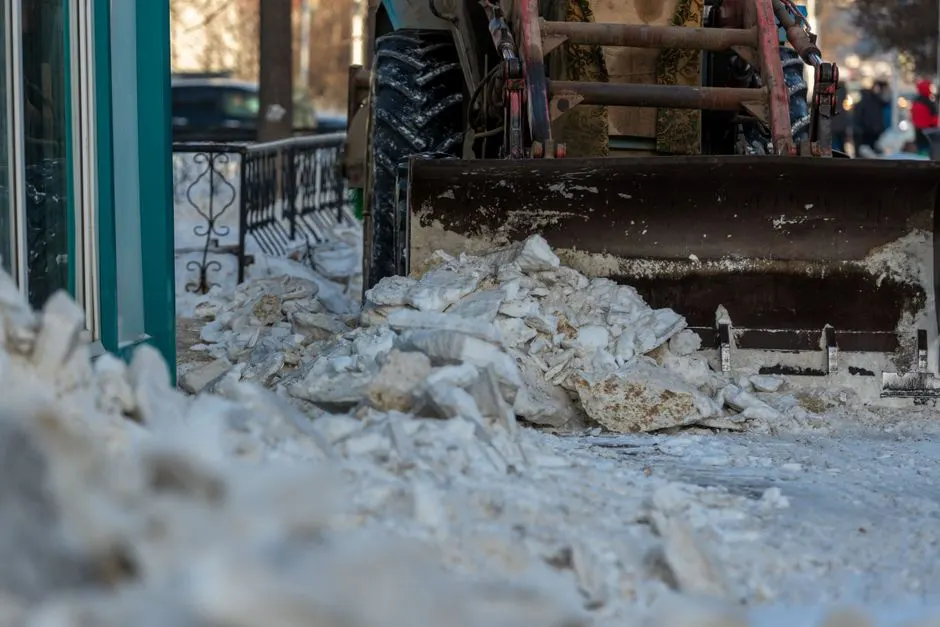
A snow plow clearing accumulated snow from an urban street during winter.
Licensed Licensed & Bonded
Fully Insured Insured & Bonded
24/7 Emergency Same-Day Response
Warranty Backed Workmanship Guaranteed

What's included in pipe cleanup

Frozen pipe cleanup covers water mitigation from the first safety check through extraction, moisture mapping, drying, and verification. We identify affected materials and explain which work belongs to water cleanup versus plumbing repair or reconstruction. If damaged finishes need rebuilding, that is handled as a separate repair phase after the structure is dry and the source has been fixed.

Initial damage assessment

We inspect the leak area and connected rooms, record visible damage, and take moisture readings on floors, walls, and other affected materials. This helps reveal water that has moved beyond the obvious puddle and gives you a practical starting point for the cleanup.
Standing water extraction

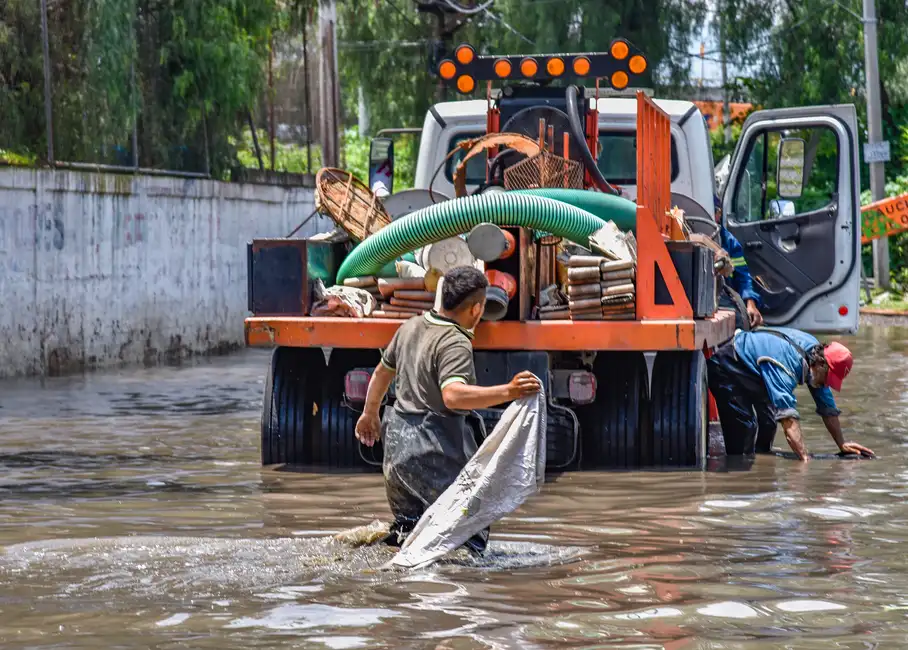
We remove pooled water using equipment matched to the water depth, flooring, and access. Extraction includes the visible floor area and accessible low points where water collects. Removing bulk water early gives the drying process a better start.

Material and contents handling

We identify items and building materials affected by the leak, move or protect contents where practical, and discuss materials that cannot be dried in place. Wet carpet padding, swollen drywall, and saturated insulation need different decisions based on condition and moisture readings.

Drying and verification

We position air movement and dehumidification equipment, then monitor moisture readings as materials dry. Follow-up checks help us adjust equipment and confirm progress. You receive a clear explanation of the affected areas and the remaining repair needs.

Frozen pipe water damage cleanup in Illinois


Frozen pipe water damage cleanup in Illinois is a water damage restoration service that removes water and dries building materials after a frozen plumbing line leaks or bursts. We first stop active water at the source with your plumber or property team, then extract standing water from floors and cavities. Moisture readings guide decisions about carpet padding, drywall, insulation, baseboards, and subflooring. The goal is to remove water promptly, identify materials that need removal, and dry what can be saved rather than relying on surface appearance alone.

Illinois winter conditions bring repeated freeze-thaw cycles, wind exposure, and long cold periods that put pipes in exterior walls, crawlspaces, garages, and vacant units at risk. A line can split while frozen and release water once it thaws, soaking rooms before anyone spots the leak. Our Illinois frozen pipe water damage cleanup addresses that sequence, and emergency frozen pipe water damage cleanup in Illinois starts with safe shutoff, water removal, and a room-by-room moisture check.

What to expect during cleanup

Frozen pipe water damage cleanup in Illinois follows a clear sequence: control the water, document the damage, extract, dry, and verify. We explain each step before equipment goes in, protect walkways, and keep you updated as readings change. Your plumber handles pipe repair; our work addresses the water and affected building materials.

01

Schedule

Call or book online — a real human picks up and confirms a 2-hour arrival window.

02

Diagnose

Licensed tech inspects on-site, then walks you through the cause and your options.

03

Fix

The job is completed to code and done right the first time — no shortcuts, no surprises.

04

Guarantee

Every job backed by a written workmanship warranty — and we stand behind it.

Equipment and drying methods

Tools & Equipment

Truck-mounted water extraction unit

We use this high-capacity extraction setup where vehicle access and the loss size make it practical. It removes bulk water from broad floor areas before detailed moisture checks and drying.

Portable extraction machine

A portable extraction machine reaches upper floors, tight hallways, and properties where hoses or truck access are limited. It helps remove water from carpet and hard flooring without delaying the rest of the assessment.

Submersible pump

For deeper pooled water in a basement or utility space, a submersible pump moves bulk water out before smaller extraction equipment handles residual water near edges and floor transitions.

LGR dehumidifier

An LGR dehumidifier removes moisture from indoor air so wet materials can release water during controlled drying. We adjust its placement and run time based on room conditions and recorded material readings.

Moisture meter

A moisture meter checks building materials at multiple points and helps compare affected areas with dry reference locations. We use readings to track progress and make informed decisions about equipment and material removal.

Methods & Standards

IICRC-based moisture assessment

We establish the likely water path, inspect connected rooms, and record moisture at affected and comparison locations. Findings guide extraction and drying decisions. This keeps the response focused on the wet assembly rather than expanding work without evidence.

Controlled structural drying

We balance air movement and dehumidification to help wet materials release moisture. Equipment placement changes as readings improve, and the affected rooms remain accessible for checks. Drying commonly takes three to five days, with dense or concealed materials requiring closer monitoring.

Selective removal and containment

When materials such as wet insulation or drywall cannot be dried in place, we isolate the work area and remove only affected sections. Polyethylene containment sheeting helps limit dust migration where needed, while the remaining structure is checked before repair.

When to call for cleanup

01

You discover water at dawn after an exterior-wall pipe freezes overnight and splits during thawing.

What we do: Call us once the water supply is shut off safely. We assess the room and adjacent spaces, extract pooled water, and check the wall, flooring, and baseboards. We coordinate around the plumber's repair so drying can begin without delay and the damaged area stays accessible.

→ Water is removed before it spreads farther, and you know which materials need drying or removal. The next repair steps are based on measured conditions.

02

A vacant rental unit loses heat during a cold snap, and a pipe leaks into the unit below.

What we do: We inspect both the source unit and the affected ceiling or walls below, documenting the water path and checking for concealed moisture. Our team separates each affected area, protects unaffected contents, and sets equipment according to access and materials.

→ The property manager gets a clearer sequence for plumbing, mitigation, and repairs, while both units receive targeted moisture checks instead of a surface-only cleanup.

03

A basement utility-room pipe bursts, leaving water around storage, finished walls, and the floor drain.

What we do: We check for electrical hazards and confirm the source is shut off, then extract water from the open floor area and inspect wall bottoms and stored items. If the loss includes sewage or another contamination source, we adjust handling and disinfection procedures.

→ The basement is cleared of accessible water, wet materials are identified, and drying equipment is placed where it can reach affected surfaces without blocking safe access.

How frozen pipe cleanup works in Illinois

Illinois winter weather can change sharply: pipes in unheated garages, crawlspaces, exterior walls, and vacant units face different exposure than lines in conditioned living areas. Northern communities often see extended freezing periods, while central and southern locations still experience hard freezes and rapid thaws that reveal a split pipe after temperatures rise. We adapt access, extraction, and drying to the building rather than applying one equipment layout everywhere. In older homes, plaster, layered flooring, and enclosed plumbing chases can hold moisture; newer construction can still trap water behind cabinets or finished basements. Our frozen pipe leak cleanup in Illinois includes moisture checks beyond the first visible stain, with water removal after a frozen pipe bursts in an Illinois home beginning at the source area and extending along the water path. We follow applicable EPA-registered disinfectant label requirements and OSHA workplace safety standards, and coordinate with local trades when repairs or permits are needed. Local rules and property requirements vary, so plumbing repairs and reconstruction are handled according to the authority having jurisdiction.

Neighborhoods We Serve

  • Naperville

    Finished basements and utility rooms can put a frozen line close to stored contents and flooring. We check adjoining rooms and the bottom of finished walls, not only the leak point.

  • Arlington Heights

    Older homes and additions can have plumbing routed through exterior walls or enclosed spaces. We trace moisture into connected rooms and keep removal limited to materials readings show are affected.

  • Peoria

    Basements and lower-level utility areas call for careful water-depth checks. We extract pooled water first, then assess floor edges, wall bottoms, and any contents that were sitting directly on the floor.

  • Springfield

    A leak in an unoccupied property can remain active until a neighbor or manager notices it. We map the affected rooms and coordinate access so extraction and drying can proceed efficiently.

Local Conditions We Plan For

  • Freeze-thaw cycles expose pipe splits after water begins moving again

    A pipe may appear frozen and quiet before thawing releases water through a split. We look for the active source and the full wet path, since water can move into adjacent rooms before the leak is visible from the main floor.

  • Unheated garages and vacant units increase exposure during cold snaps

    Low indoor temperatures and limited occupancy can delay discovery. We check walls shared with cold spaces, utility areas, and floors below the leak, then coordinate with property contacts to keep the affected rooms accessible during drying.

  • Basement finishes conceal water at wall and floor junctions

    Finished basement assemblies can hide moisture behind trim or beneath flooring. We test likely migration points and use the readings to decide whether targeted access is needed, reducing the chance that damp materials are closed behind new finishes.

Laundry-room line break

Before

A frozen supply line split behind a laundry-room wall and released water across the tile and into the hall carpet. The leak was shut off, but carpet padding and the lower drywall stayed wet. A surface mop removed the visible puddle without addressing moisture at the wall edge or under the flooring.

After

Our crew extracted the room and hall, checked the wall and floor edges, and removed saturated padding. Drying equipment ran for four days, with follow-up readings documenting the change. The affected flooring area was dry enough for the planned repair, and the homeowner had a clear record of what remained to be rebuilt.

Maintenance: Keep the laundry shutoff accessible and inspect hoses and nearby plumbing before winter. During a cold snap, maintain heat in rooms with water lines and open cabinet doors where plumbing sits against an exterior wall.

Before

A pipe above the basement utility area burst while the home was unoccupied. Water spread around stored boxes and along a finished wall, and the homeowner could not tell whether the floor drain or sump pump was involved. The visible pool was only part of the affected area.

After

We identified the plumbing source, removed standing water, and checked the finished wall and nearby storage area. A submersible pump handled the deeper pool, followed by detailed extraction and drying. Moisture readings improved over five days, and wet materials were identified before the reconstruction crew arrived.

Maintenance: Have a plumber inspect vulnerable lines before winter and keep stored items elevated off basement floors. Confirm that someone can check the property during extended cold weather, especially if the heat source fails.

Before

A vacant rental had lost heat, and a frozen pipe began leaking as the unit warmed. Water crossed the kitchen floor and appeared as a ceiling stain in the unit below. The manager needed to understand the extent before scheduling plumbing and finish repairs.

After

We assessed both units, extracted the kitchen water, and checked the lower ceiling and adjoining wall for moisture. The drying setup remained in place for three days with readings checked during the work. The manager received a documented map of affected areas to coordinate pipe repair and finish restoration.

Maintenance: Set a cold-weather inspection routine for vacant units and verify that heat remains on. Know where the main shutoff is, and ask a plumber to address exposed or poorly protected lines before freezing conditions arrive.

Problems after a frozen pipe bursts

A frozen line can damage more than the surface beneath the leak. Water travels along framing, under flooring, and into adjoining rooms, while a slow thaw can keep feeding the loss. We focus on locating that spread, removing water, and drying the materials that remain.

Problem

Water spreading under flooring beyond the visible leak

Moisture trapped beneath flooring can swell seams and damage the subfloor, even when the room's surface looks nearly dry.

Our Fix

We inspect the floor around the break and use moisture readings to map the affected area. Extraction removes accessible water, while drying equipment is aimed at wet materials that can be retained. If flooring or padding is saturated beyond recovery, we identify the boundary so removal stays focused.

Problem

Wet insulation and drywall around an exterior-wall pipe

A pipe in an exterior wall can soak insulation and framing, leaving a cavity damp after the visible leak has stopped.

Our Fix

We check the wall and nearby baseboards for moisture rather than relying on a dry paint surface. When the cavity cannot be dried in place, we explain the affected section and remove wet material as needed. Drying continues until readings show the remaining structure is ready for repair.

Problem

Basement water from a burst pipe or frozen utility line

Pooled basement water can reach stored belongings, finished walls, and electrical equipment, and it may be mistaken for sump pump failure.

Our Fix

We identify whether the water source is a plumbing line, a pump issue, or another intrusion, then remove standing water with appropriate equipment. We keep clear of electrical hazards and check the floor perimeter and wall bottoms for hidden moisture before setting drying equipment.

Protect rooms and limit repairs

Protect rooms and limit repairs

A quick, organized response reduces the amount of water that reaches adjoining rooms and makes the repair plan clearer. We focus on the source area, affected materials, and hidden moisture, then explain what happens next in plain language. You get documented readings and drying progress, not a guess based on whether the floor feels dry.

  • Water removed promptly

    Standing water left on a floor can move into seams, carpet padding, and wall edges. We use extraction equipment suited to the depth and access, then recheck low points before moving on. For a contained room, extraction often takes one to three hours; larger losses require additional passes.

  • Hidden moisture located

    A dry-looking wall can still hold water behind paint or at the bottom plate. We use a moisture meter and thermal imaging camera to map suspicious areas and compare readings with unaffected materials. That helps us target drying or selective removal instead of opening every wall.

  • Materials handled correctly

    Wet carpet padding, swollen baseboards, and waterlogged insulation do not all respond the same way. We separate salvageable materials from those that need removal, protect unaffected areas, and use polyethylene containment sheeting when work could spread dust or debris.

  • Drying progress measured

    Air movement alone does not prove a structure is dry. We place an air mover and LGR dehumidifier based on the affected area, then record moisture readings during follow-up checks. Drying commonly takes three to five days, with the actual duration set by materials, temperature, and water volume.

Training and work standards

Licensed & Certified

  • Water Damage Restoration Technician — issued by Institute of Inspection, Cleaning and Restoration Certification
  • Applied Structural Drying — issued by Institute of Inspection, Cleaning and Restoration Certification
  • Applied Microbial Remediation Technician — issued by Institute of Inspection, Cleaning and Restoration Certification
  • EPA Lead Renovation, Repair and Painting requirements where applicable — issued by United States Environmental Protection Agency

Verified Reviews

Customer feedback ★★★★★4.9

A homeowner described a frozen pipe leak that soaked the basement carpet and wall edge. The crew extracted the water, checked behind the baseboards, and returned to review readings before removing the equipment. The homeowner appreciated having the wet areas explained clearly instead of being told to wait and see.

Customer feedback ★★★★★5.0

A property manager called after a winter pipe break affected two units. The team mapped the water path, protected the shared hallway, and kept the cleanup separate from the plumber's repair. Clear moisture notes helped coordinate drying and the next phase of work.

Customer feedback ★★★★★4.8

A family found water under the laundry flooring after a thaw. Extraction started the same day they called, and the crew explained why the padding needed to come out while the floor could be dried. Follow-up checks gave them a useful record before repairs began.

Training for winter water losses

Frozen plumbing losses need more than a quick mop-up: water can travel below flooring, behind cabinets, and through ceiling assemblies before the leak is found. Our local experience includes residential rooms, shared building areas, basements, and vacant properties affected by winter breaks. Technicians use IICRC Water Damage Restoration Technician (WRT) practices for assessment and drying, and apply IICRC Applied Structural Drying (ASD) principles when assemblies require controlled drying. We document conditions, protect occupants, and work alongside the plumber making the pipe repair.

  • IICRC Water Damage Restoration Technician training supports consistent inspection, extraction, and structural drying decisions.
  • IICRC Applied Structural Drying methods guide equipment placement and moisture checks in walls, floors, and framing.
  • Technicians distinguish clean supply-line water from contaminated water and adapt handling and protection accordingly.
  • Moisture readings are recorded at affected and comparison locations so progress is based on measurements, not touch.
  • Our crew coordinates with plumbers and property managers when a loss affects several units or shared spaces.
Get Started Today
Training for winter water losses

Cities we serve across Illinois

Our crews handle frozen pipe water damage cleanup across Illinois, coordinating extraction and drying for homes, rentals, and commercial spaces. Service extends from northern suburbs to central and southern communities, with equipment and access plans matched to each property. We provide frozen pipe leak cleanup in Illinois for both a single affected room and multi-unit losses. The cities listed here are part of our statewide service coverage.

Naperville

We extract water from finished rooms and basements, then check adjoining flooring and wall edges so moisture does not stay hidden after the leak is shut off.

Arlington Heights

Our team assesses pipe breaks in older homes, additions, and rentals, tracing water from exterior-wall plumbing into nearby rooms before setting drying equipment.

Mount Prospect

We respond to winter line breaks with source-area assessment, standing-water removal, and moisture checks around cabinets, baseboards, and lower-level finishes.

Lombard

For homes and multi-unit properties, we document the affected spaces and coordinate extraction with plumbing repairs so drying can begin promptly.

Streamwood

We check water paths between utility rooms, finished basements, and adjacent flooring, then use readings to guide targeted drying and material decisions.

Woodridge

Our cleanup addresses standing water and hidden moisture after a frozen line opens, including floor edges and wall cavities connected to the leak.

Algonquin

We tailor equipment to the property layout, from accessible basements to upper-floor rooms, and monitor drying progress with repeat moisture readings.

Huntley

When a cold-weather leak affects a home or rental, we remove water, check nearby materials, and provide a clear sequence for drying and repairs.

West Chicago

Our technicians assess the source area and connected rooms, using measured moisture checks to find water that has traveled beyond the visible stain.

Westmont

We handle frozen pipe losses in finished living areas and basements, protecting unaffected spaces while extracting water and setting controlled drying.

East Peoria

For basement or utility-room breaks, we remove pooled water first and then inspect wall bottoms, stored contents, and floor transitions for remaining moisture.

Dolton

We coordinate access for homes and rental properties, extract water from affected rooms, and check adjacent materials before drying equipment is removed.

Brookfield

Our crew traces water through flooring and lower wall areas after a pipe break, keeping removal focused on materials that readings show are affected.

Bellwood

We address winter plumbing leaks with prompt extraction, room-by-room moisture mapping, and follow-up checks that guide the next repair phase.

Cahokia Heights

Our team removes standing water and checks the full path of a frozen pipe leak, including adjoining rooms and lower-level materials that may remain damp.

Frozen pipe cleanup questions

Real answers to the questions we hear most often from local homeowners and property managers.

What should I do when a frozen pipe bursts?
Shut off the water supply if you can do so safely, and call for cleanup immediately. Keep clear of wet electrical areas and sagging ceilings; do not use a wet/dry vacuum near energized outlets. We locate the affected rooms, extract standing water, and check nearby materials for hidden moisture. Have a plumber repair the pipe, then keep the damaged area accessible so drying equipment can work.
How quickly should frozen pipe water be removed?
Start water removal as soon as the leak is stopped, ideally within 24 hours of discovery. The longer water sits, the farther it can travel into carpet padding, drywall, and subflooring. Our crew prioritizes bulk extraction first, then measures the remaining moisture and sets drying equipment. Water removal after a frozen pipe bursts in an Illinois home is more effective before materials swell or microbial growth develops.
Does frozen pipe cleanup include structural drying?
Yes, frozen pipe cleanup includes structural drying when moisture remains in building materials. We use measured air movement and dehumidification, then check readings during follow-up visits. Drying often takes three to five days, but wet insulation, dense flooring, or concealed cavities can change the timeline. We explain which materials can be dried in place and which need removal before the affected area is closed.
Who provides winter pipe burst cleanup in Illinois?
Midwest Water Damage Pros provides winter pipe burst cleanup in Illinois for homes, rentals, and property managers. Call 8337200038 to arrange emergency extraction and drying. We work with your plumber on the water shutoff and pipe repair while our technicians address standing water, wet materials, and moisture readings. The cleanup plan covers the affected space and the adjacent areas water reached.

Related water damage services

Emergency Water Extraction

A burst line can leave standing water across a basement or finished floor. Emergency Water Extraction removes bulk water first, helping limit migration into adjacent rooms. We select extraction equipment according to access, water depth, and the surface being treated.

View Emergency Water Extraction

Water Damage Restoration

After extraction, wet building materials need assessment and controlled drying. Water Damage Restoration addresses moisture in flooring, walls, and structural assemblies, with readings used to track progress. This service connects pipe cleanup to the steps needed before repair and rebuilding.

View Water Damage Restoration

Flood Cleanup and Water Removal

A severe pipe break can spread beyond the room where it started, creating a small-scale flood inside the property. Flood Cleanup and Water Removal handles standing water, affected contents, and drying needs across multiple spaces. We identify the path water followed before setting equipment.

View Flood Cleanup and Water Removal

Basement Water Removal

Frozen lines near a basement ceiling, utility room, or exterior wall can send water to the lowest level. Basement Water Removal clears pooled water and checks floor edges, stored items, and finished walls. We also distinguish pipe damage from sump pump failure or stormwater intrusion.

View Basement Water Removal

Sump Pump Failure Cleanup

A frozen pipe loss can coincide with a sump pump that cannot keep up or has stopped working. Sump Pump Failure Cleanup removes water left in the basement and checks surrounding materials for moisture. We identify whether the source is plumbing, groundwater, or both.

View Sump Pump Failure Cleanup

Sewage Backup Cleanup and Extraction

If a pipe failure is accompanied by a sewage backup, the response must account for contaminated water rather than treating it as a clean supply-line leak. Sewage Backup Cleanup and Extraction uses appropriate protective measures, removal procedures, and disinfection for affected surfaces.

View Sewage Backup Cleanup and Extraction

Call for frozen pipe cleanup in Illinois

Frozen water lines can release more water as they thaw. We remove standing water, check hidden moisture, and set a measured drying plan for your property. Call 8337200038 for emergency frozen pipe water damage cleanup in Illinois.

Call now Call for cleanup

Contact our team

Call Midwest Water Damage Pros at 8337200038 for help finding an independent water cleanup company serving your Illinois location. Our referral line accepts calls 24/7, including frozen-pipe emergencies overnight and water entering after a storm. Tell us what happened, where the water is, and whether anyone faces an immediate safety risk so we can route your call.

Midwest Water Damage Pros


  • Phone

    8337200038
  • Address

    Illinois

  • Hours

    Mon–Fri: 7AM – 7PM
    Sat: 8AM – 4PM
    Sun: Emergency Only
    24/7 Emergency Available

Call 8337200038 Get Quote
Call Quote