
Logo
Get Estimate

Sump Pump Failure Cleanup in Illinois

We remove basement water and get drying underway


Sump pump failure cleanup in Illinois gets standing water out before it soaks carpet, drywall, and stored belongings. If your pump quit during a storm, lost power, or could not keep up with groundwater, our team responds with extraction and structural drying. We handle failed sump pump water removal in Illinois for homeowners and property managers, then check affected materials so you know what needs drying, cleaning, or removal.

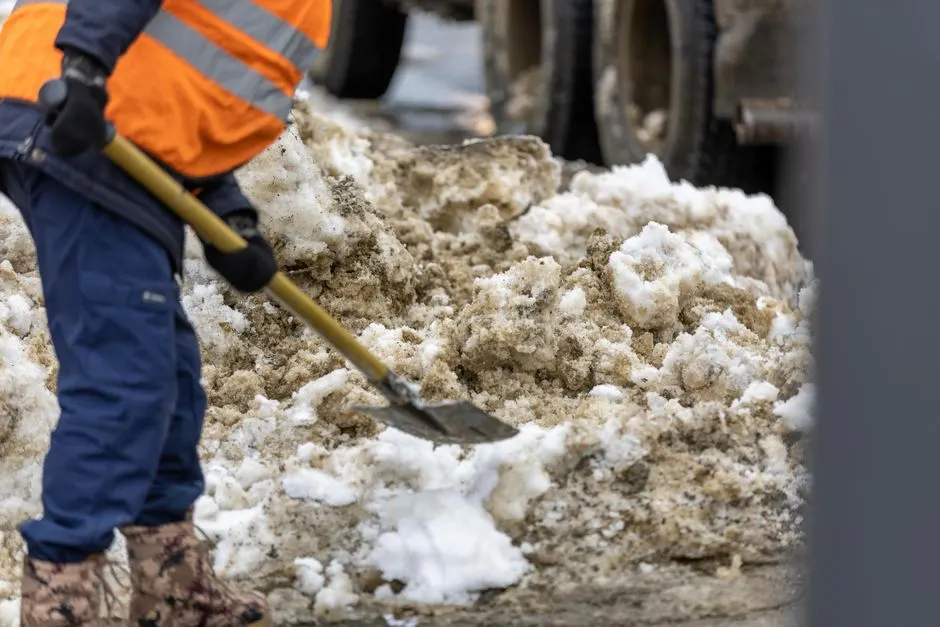
A worker dressed in high visibility clothing shoveling snow during winter maintenance.
Licensed Licensed & Bonded
Fully Insured Insured & Bonded
24/7 Emergency Same-Day Response
Warranty Backed Workmanship Guaranteed

What's Included in Sump Pump Cleanup

Our cleanup covers the water left by a failed or overflowing sump pump, the affected-material assessment, and drying needed to address measured moisture. We explain material removal and any separate repair work before proceeding, so you understand what the cleanup addresses. Pump replacement, electrical work, and major reconstruction require the appropriate trade or repair scope.

Standing Water Extraction

We pump deeper water from the basement and sump area, then extract accessible water from floors and carpet. Equipment choice depends on water depth and access. Removing pooled water first limits continued absorption into flooring, stored materials, and the lower sections of walls.
Moisture Mapping

We check affected floors, baseboards, drywall, and other accessible materials with moisture-reading equipment. Comparing readings with unaffected areas helps show where water traveled and whether concealed areas need further investigation. You see which parts of the basement require active drying.

Drying Equipment Setup

We place air movers and dehumidification equipment to move air across wet materials and remove moisture from the room. Equipment positions reflect room layout and measured conditions, not a generic pattern. We revisit readings during drying and adjust the setup as the materials respond.

Affected Surface Cleaning

We clean water-affected surfaces and use an appropriate antimicrobial disinfectant when conditions call for it, following EPA-registered disinfectant label requirements. If water is contaminated, the work area and cleaning approach are adjusted. We identify damaged carpet padding, drywall, or insulation for removal when drying is not suitable.

Progress Review

We explain the initial findings, note changes in moisture readings, and review the work area before equipment is removed. You receive practical information about any remaining repairs, such as replacing removed baseboards or drywall, and the pump or drainage issue that needs attention.

Sump Pump Failure Cleanup in Illinois


Sump pump failure cleanup in Illinois is emergency water mitigation that removes basement water and dries affected building materials after a sump pump stops working or overflows. We first identify electrical and contamination hazards, then use extraction equipment to remove standing water from floors, pits, and accessible cavities. A moisture meter helps us map wet drywall, baseboards, and subflooring rather than relying on surface appearance. After extraction, we set drying equipment according to the materials and readings, and document progress so you can see when the space is ready for repairs.

Illinois basements face a mix of heavy spring rain, summer storms, rapid thaws, and frozen discharge lines during winter. Power interruptions, a stuck float switch, clogged intake, or a failed check valve can turn a shallow sump pit into a flooded basement within hours. We provide emergency cleanup after sump pump failure in Illinois, including checks for sewage backup or stormwater intrusion when the water source is uncertain. That distinction matters: contaminated water needs different protective measures and cleaning than clear groundwater.

What Happens During Cleanup

The sump pump failure cleanup process in Illinois moves from safety checks to extraction, drying, and a documented handoff. We explain each step as we work, protect the path through your home, and keep equipment placement practical so you can still access essential areas.

01

Schedule

Call or book online — a real human picks up and confirms a 2-hour arrival window.

02

Diagnose

Licensed tech inspects on-site, then walks you through the cause and your options.

03

Fix

The job is completed to code and done right the first time — no shortcuts, no surprises.

04

Guarantee

Every job backed by a written workmanship warranty — and we stand behind it.

Equipment and Drying Methods

Tools & Equipment

Truck-mounted water extraction unit

We use high-capacity extraction for accessible floors and carpet after bulk water is pumped away. It helps remove residual water that a standard household wet/dry vacuum may leave behind.

Submersible pump

A submersible pump removes deeper pooled water from a basement or sump area before detail extraction. We select placement according to water depth and keep electrical safety in view.

Moisture meter

We take readings in affected materials and compare them with unaffected reference areas. Those measurements guide equipment placement and help verify drying progress rather than relying on touch.

LGR dehumidifier

An LGR dehumidifier removes moisture from basement air during structural drying. We pair it with properly placed air movers and check performance as moisture readings change.

HEPA air scrubber

When removal work or site conditions call for air filtration, a HEPA air scrubber helps capture airborne particles. We use HEPA filter media and position the unit to suit the controlled work area.

Methods & Standards

Water-source assessment

We determine whether the water came from groundwater, stormwater, a plumbing leak, or a drain backup before choosing cleaning procedures. The distinction matters for protective equipment and surface treatment. If the source is uncertain, we ask about recent rain, pump operation, odors, and visible drain activity.

Measured structural drying

We use readings from affected materials to guide air movement and dehumidification. Equipment is placed to move air across wet surfaces without creating an unsafe path through the home. Follow-up readings show whether drying is progressing or whether materials need removal.

Controlled material removal

When drywall, insulation, or carpet padding cannot be dried effectively, we isolate the work area and remove damaged material carefully. Polyethylene containment sheeting helps separate the work zone when conditions warrant it. We keep the decision tied to the water damage and measured condition of each material.

Label-compliant surface treatment

We clean affected surfaces and apply antimicrobial disinfectant only where appropriate to the water source and material. Product directions govern dilution, contact time, and use conditions. This avoids treating every basement puddle the same and keeps the cleaning process aligned with label requirements.

When to Call for Cleanup

01

Your sump pump stops during a November storm and water begins collecting near the basement stairs.

What we do: We check safe access and the water source, pump out standing water, and inspect nearby flooring and lower walls. If temperatures are low, we account for a cool basement when positioning drying equipment and tracking progress.

→ Water is removed before it travels farther through the basement, and you know which materials need continued drying or repair.

02

A winter freeze blocks the pump discharge line, leaving the sump pit full and the basement floor wet.

What we do: We extract the water and check how far it spread from the pit. We also note the discharge concern for follow-up with the appropriate repair professional, then dry affected materials using measured readings.

→ The basement is cleared of standing water, with wet areas identified and a drying plan in place while the discharge problem is addressed.

03

A power interruption during a summer storm leaves water under stored items and along finished basement walls.

What we do: We remove accessible water, move contents where safe, and check behind affected baseboards or at wall edges for moisture. If the storm also caused roof leak or foundation intrusion, we map those areas separately.

→ You get a defined picture of the affected rooms and a focused drying setup instead of treating only the visible puddle.

04

A rental property's sump pit overflows into a shared lower-level hallway and storage room.

What we do: We establish a controlled work area, extract water from the common path, and check each connected room. If a floor drain or sewage backup is suspected, we adapt cleaning and protective measures to the water source.

→ The shared area is cleaned and dried in an organized sequence, with affected rooms documented for property and repair follow-up.

How Cleanup Works Across Illinois

Sump pump cleanup across Illinois changes with weather, groundwater, and basement construction. In northern communities such as Grayslake and North Chicago, winter freezes can obstruct discharge lines, while spring rain can fill a sump pit quickly. Central and southern locations such as Decatur and Edwardsville also see heavy storms and rapid shifts in water conditions. We plan for those differences by checking the water source, basement temperature, access, and affected materials before setting equipment. Failed sump pump water removal in Illinois includes more than pumping out a pit: we inspect the path water took and determine whether finished walls, carpet padding, or stored contents were reached. If you need emergency cleanup after sump pump failure in Illinois, tell us whether the water is near electrical equipment or a floor drain. That information helps us choose a safe first approach. Local building requirements and environmental rules can vary by project and material; we follow applicable requirements rather than assuming the same removal or repair method fits every property.

Neighborhoods We Serve

  • Older finished basements

    Finished lower levels can hide damp drywall and insulation behind trim. We check wall edges and baseboards so visible floor drying does not conceal wet materials.

  • Lake-adjacent communities

    Properties near lakes and low-lying areas can face recurring groundwater pressure after rain. We check water depth and travel paths to plan extraction and drying.

  • Rural and edge-of-town homes

    Longer discharge runs and exposed pump lines can freeze in winter. We remove the resulting water and flag the discharge issue for appropriate repair follow-up.

  • Shared building basements

    Common storage rooms and hallways need careful equipment placement to preserve safe access. We separate affected zones and document which spaces require drying.

Local Conditions We Plan For

  • Winter freeze or ice obstructs a sump pump discharge line

    Water may return to the pit or overflow onto the floor when the pump cannot discharge. Cool basement temperatures can also slow drying, so we track readings and equipment performance rather than assuming a fixed schedule.

  • Spring storms raise groundwater and overwhelm a sump system

    Water can enter through foundation joints and spread beyond the pit before the pump catches up. We map the wet area and distinguish groundwater from roof or stormwater intrusion to direct cleanup and repairs.

  • Finished basement materials conceal moisture

    Drywall, carpet padding, and subflooring can hold moisture after surface water disappears. We check accessible material edges and readings to identify areas that need continued drying or controlled removal.

Stormwater Across Finished Flooring

Before

A failed pump left several inches of water across a finished basement after a storm. Carpet was wet to the touch, boxes were sitting in pooled water, and the lower wall edges had not been checked. The homeowner could not tell whether water was limited to the open floor or had moved beneath the carpet.

After

We pumped and extracted the standing water, checked carpet and wall edges, and removed saturated padding where drying was not practical. Air movers and a dehumidifier ran through the active drying period, with readings checked daily. The affected area was mapped, and remaining repair needs were reviewed before equipment removal.

Maintenance: Have the pump and discharge line checked before the next wet season, and keep stored items off the floor. A high-water alarm can give you an earlier warning if the pump stops.

Before

A discharge line froze during cold weather, and water backed up at the sump before spreading across the utility-room floor. The room felt cold and damp, while water reached the base of nearby storage shelving. Surface mopping removed the puddle but left moisture in the floor edges.

After

We extracted the pooled water, checked the floor and lower wall materials, and positioned drying equipment for the compact room. Follow-up readings showed the affected floor area drying over several days. The discharge blockage was documented for repair, and the customer received a clear list of materials that remained sound.

Maintenance: Keep the discharge outlet clear and have the line inspected for freezing or obstruction before winter. Test the sump pump periodically and keep the pit free of debris.

Before

A shared basement sump overflowed into a hallway and storage room during heavy rain. Tenants had tracked water through the corridor, and several stored items were wet. The property manager needed to know which rooms were affected and whether the water source required special cleaning.

After

We isolated the work area, extracted the pooled water, and checked connected rooms for moisture. The crew cleaned affected surfaces and set drying equipment without blocking the only safe passage. Readings and affected areas were reviewed with management, giving them a practical repair and access plan.

Maintenance: Keep the shared sump accessible, remove debris from the pit, and arrange regular pump checks. A backup power plan and alarm help staff respond before water reaches common areas.

Problems Solved After Pump Failure

Sump pump failure can leave water in more than the pit: it spreads beneath flooring, soaks storage, and raises moisture in lower walls. We remove water, locate the affected materials, and start drying before the damage becomes harder to contain. If you need water extraction for a flooded basement after pump failure, we tailor the work to the source and layout.

Problem

Water spreading from the sump pit across a finished basement

Water can soak carpet padding and baseboards, then move beneath flooring where it is difficult to see. Delayed drying can leave persistent dampness and microbial growth.

Our Fix

We extract standing water, inspect the travel path, and take readings at flooring and lower wall edges. When padding is saturated, we explain whether removal is needed for effective drying. Air movement and dehumidification then target the materials that remain wet, with follow-up checks to confirm progress.

Problem

Wet drywall and insulation behind the visible water line

Moisture trapped inside a finished wall can remain after the floor looks dry. That hidden water can damage materials and complicate later repairs.

Our Fix

We check accessible wall edges and use moisture readings to locate areas that remain damp. If wet drywall or insulation cannot be dried effectively, we identify controlled removal needs and protect nearby areas. The goal is to expose only what the water damage requires and keep the remaining structure on a measured drying path.

Problem

Unclear source after stormwater and drain water mix

Treating contaminated water like clean groundwater can spread contamination. Incorrect source identification also leads to the wrong cleaning steps and missed repair needs.

Our Fix

We ask about odors, floor-drain activity, recent storms, and the pump's condition, then assess the affected area. When sewage backup is suspected, we adjust work-zone protection and cleaning procedures. We remove the affected water and explain what follow-up is needed to address the source and the surfaces it contacted.

Problem

Basement remains damp after water is vacuumed up

Surface cleanup alone does not remove moisture held in subflooring, carpet padding, or lower wall materials. Damp conditions can persist without measured structural drying.

Our Fix

We check beneath accessible edges and compare readings in affected and unaffected materials. Air movers and dehumidification are placed according to the moisture pattern, then adjusted during follow-up checks. If readings stay elevated because a material is too wet to save, we explain the removal and repair path.

A Dry Basement, Properly Restored

A Dry Basement, Properly Restored

A pump failure leaves more than a puddle; water can wick into carpet padding, soak stored boxes, and hide beneath finished floors. We focus on removing the water, finding its path, and drying what can be saved. You get a clear picture of the affected area and practical next steps, not a fan pointed at a wet floor and a guess.

  • Rapid Water Removal

    We start with the deepest water and work outward, using a submersible pump for pooled water and a portable extraction machine for floor-level moisture. In many accessible basements, extraction takes a few hours; larger spaces or water trapped under flooring take longer. Our process reduces standing water before it spreads into adjacent rooms.

  • Hidden Moisture Found

    Dry-looking walls can still hold moisture behind baseboards or in insulation. We use a moisture meter and thermal imaging camera to compare affected areas with dry reference points. That lets us identify where drying needs to continue and helps prevent hidden moisture from supporting microbial growth after the visible water is gone.

  • Safer, Cleaner Work Area

    If water has contacted a floor drain, sewage backup, or other contamination source, we adjust protective equipment and cleaning procedures rather than treating it as clean groundwater. We use polyethylene containment sheeting when removal work could spread dust, and apply antimicrobial disinfectant according to its label requirements where appropriate.

  • A Clear Repair Plan

    After extraction and initial drying, we explain which materials are drying in place and which are too damaged to keep. You can see readings from the affected zones, discuss carpet padding or drywall removal, and plan repairs based on the actual moisture pattern instead of replacing everything in the basement.

Training and Work Standards

Licensed & Certified

  • Water Damage Restoration Technician — issued by Institute of Inspection, Cleaning and Restoration Certification
  • Applied Structural Drying — issued by Institute of Inspection, Cleaning and Restoration Certification
  • Applied Microbial Remediation Technician — issued by Institute of Inspection, Cleaning and Restoration Certification

Verified Reviews

Customer feedback Not stated

The crew handled our sump pump failure without leaving us guessing. They showed us where water had reached the carpet padding, extracted the floor, and returned to check moisture readings. We appreciated the plain explanation of what could dry and what needed to come out.

Customer feedback Not stated

After our basement flooded during a storm, the technicians asked about the floor drain before starting. They kept the work area controlled, removed the water, and explained the difference between the sump overflow and a possible drain issue. The drying plan was clear and easy to follow.

Customer feedback Not stated

Our pump failed while we were away, and the basement smelled damp when we returned. The crew checked the lower walls and storage area, then set equipment where the readings showed moisture. They explained what they were checking each visit and left us with specific repair and maintenance next steps.

Field Knowledge That Shows

Our technicians handle basement flooding as a building problem, not just a wet-floor problem. Training in IICRC Water Damage Restoration Technician (WRT) practices helps guide water classification, extraction, and drying decisions; Applied Structural Drying (ASD) principles inform equipment placement and moisture checks. We also account for the difference between groundwater and a sewage backup, which affects cleaning and protection. Every basement is different, so we match the work to the water source, materials, and measured conditions rather than promising one fixed drying time.

  • WRT-based assessment helps us classify water and select appropriate extraction, cleaning, and drying steps.
  • Moisture readings guide equipment adjustments and help distinguish dry surfaces from damp wall cavities.
  • We identify waterlogged insulation and damaged carpet padding before they conceal persistent moisture.
  • Our team follows OSHA workplace safety standards while moving equipment through occupied homes.
  • When older painted surfaces are disturbed, we consider EPA Lead Renovation, Repair and Painting requirements where applicable.
Get Started Today
Field Knowledge That Shows

Cities We Serve Across Illinois

We bring sump pump failure cleanup to communities across Illinois, with equipment and work plans suited to each basement rather than a one-size approach. Our service reaches northern, central, and southern areas, including older finished basements, newer utility rooms, and shared building spaces. For failed sump pump water removal in Illinois, we assess the water source, affected materials, and access before starting. Call with your city and the current water depth so we can understand the immediate conditions.

Aurora

We remove sump overflow water from Aurora basements, check finished wall edges, and set drying equipment based on measured moisture in flooring and lower drywall.

Decatur

In Decatur, we handle storm-related pump failures with water extraction, material checks, and drying plans suited to the basement layout and water source.

Orland Park

Our Orland Park cleanup covers standing water, wet carpet padding, and moisture at baseboards, with follow-up readings to guide equipment removal.

Glenview

For Glenview properties, we assess finished lower levels and shared spaces carefully, separating sump overflow from possible drain or plumbing water.

Carol Stream

We extract water from Carol Stream basements after pump failure and check connected storage or utility areas so drying covers the full affected path.

Addison

In Addison, our team removes pooled water, checks damp flooring and wall edges, and explains which materials can dry in place.

North Chicago

We address North Chicago sump failures with extraction and moisture checks, accounting for cold-weather discharge concerns and basement access.

Lansing

Lansing service includes pumping out standing water, checking affected contents and flooring, and setting drying equipment where readings show moisture.

Edwardsville

For Edwardsville properties, we respond to pump overflow by identifying the water source, removing water, and checking lower walls and subflooring.

Collinsville

Our Collinsville cleanup addresses storm-related sump overflow with extraction, surface cleaning, and monitored drying for affected basement materials.

Machesney Park

In Machesney Park, we check pump-related flooding and winter discharge concerns, then remove water and dry the materials it reached.

Grayslake

We provide Grayslake sump pump cleanup with careful checks for groundwater spread, wet carpet padding, and moisture concealed near finished walls.

Deerfield

Deerfield customers get a room-by-room assessment, water extraction, and drying checks that distinguish visible puddles from moisture beneath flooring.

Sycamore

Our Sycamore service handles pump failure after heavy rain or freezing conditions, with extraction and a practical plan for affected materials.

Lemont

In Lemont, we remove sump overflow water from basements, inspect connected rooms, and monitor drying so wet areas are not missed.

Sump Pump Cleanup Questions

Real answers to the questions we hear most often from local homeowners and property managers.

What should I do after my sump pump fails?
Keep people away from standing water near outlets, cords, or electrical panels, and call for cleanup as soon as the area is safe. If you can do so without entering water, unplug the pump and note whether the failure followed a storm or power outage. Avoid using a household vacuum on floodwater. We assess the source, remove standing water, and check whether sewage or other contamination changes the cleanup plan.
How quickly can failed sump pump water be removed?
We can often begin extraction within hours of arrival, and an accessible basement may take two to six hours to pump and extract. Water depth, room access, soaked contents, and water trapped below flooring affect the duration. Failed sump pump water removal in Illinois is followed by drying, which often takes three to five days. We check moisture readings during that period rather than relying on a fixed timer.
Does sump pump failure cleanup include basement drying?
Yes, cleanup includes structural drying when materials remain wet after water removal. We place air movers and dehumidification equipment based on moisture readings, then check affected areas at least daily during active drying. If drywall, insulation, or carpet padding cannot be dried effectively, we explain the removal needed. Drying time often runs three to five days, but cool conditions or dense materials can extend it.
Who provides emergency sump pump cleanup in Illinois?
Midwest Water Damage Pros provides emergency sump pump cleanup in Illinois, including extraction, affected-material checks, and drying equipment setup. Call 8337200038 and tell us the water depth, whether power is out, and if a floor drain or sewer line backed up. We use those details to prepare the right equipment and safety approach. For pump replacement or electrical repair, we identify the issue for the appropriate trade.

Related Basement Services

Emergency Water Extraction

When a failed pump leaves water across the basement floor, emergency extraction removes it before it spreads into adjoining rooms. We select pumping and extraction equipment according to depth and access, then check floors and lower walls for moisture that remains after the visible water is gone.

View Emergency Water Extraction

Water Damage Restoration

Water removal is the first stage; restoration addresses the materials affected by the pump failure. We assess drywall, trim, insulation, flooring, and contents, then explain drying or removal needs. The resulting plan helps you move from a wet basement toward a clean, usable space.

View Water Damage Restoration

Flood Cleanup and Water Removal

Stormwater entering through a foundation or overwhelmed drainage system can accompany sump pump failure. Our flood cleanup removes standing water, cleans affected surfaces, and starts drying. We also distinguish outside water intrusion from a plumbing or drain backup because the source affects the protective measures.

View Flood Cleanup and Water Removal

Basement Water Removal

Basement water removal focuses on getting pooled water out of floors, storage areas, and accessible pits. We use pumps for deeper water and extraction tools for residual moisture, then inspect affected materials. This service is useful when a failed sump pump leaves the basement too wet for normal household cleanup.

View Basement Water Removal

Sewage Backup Cleanup and Extraction

A pump failure can coincide with a floor-drain or sewer backup, requiring more than groundwater extraction. We identify the contamination concern, isolate the work area as needed, remove affected water, and clean surfaces using appropriate procedures. This service keeps sewage-related cleanup distinct from routine sump pit water removal.

View Sewage Backup Cleanup and Extraction

Burst Pipe and Plumbing Leak Cleanup

A burst pipe or plumbing leak can flood the same basement area as a failed sump pump. We extract water and dry affected building materials while the plumbing source is addressed. Finding whether water came from the pit, pipe, or both helps avoid repeating cleanup after the repair.

View Burst Pipe and Plumbing Leak Cleanup

Get Sump Pump Failure Cleanup in Illinois

Water keeps soaking materials until it is removed and the basement is dried. Our trained technicians are ready to assess the water source, extract standing water, and start measured drying. Call 8337200038 now and tell us what happened.

Call Now Call for Cleanup

Contact our team

Call Midwest Water Damage Pros at 8337200038 for help finding an independent water cleanup company serving your Illinois location. Our referral line accepts calls 24/7, including frozen-pipe emergencies overnight and water entering after a storm. Tell us what happened, where the water is, and whether anyone faces an immediate safety risk so we can route your call.

Midwest Water Damage Pros


  • Phone

    8337200038
  • Address

    Illinois

  • Hours

    Mon–Fri: 7AM – 7PM
    Sat: 8AM – 4PM
    Sun: Emergency Only
    24/7 Emergency Available

Call 8337200038 Get Quote
Call Quote