
Logo
Get Estimate

Water damage restoration in Illinois that gets you dry

We remove water, dry structures, and help protect your property


Water damage restoration in Illinois helps homeowners and businesses stop a leak or flood from turning into deeper structural damage. At Midwest Water Damage Pros, we remove standing water, identify hidden moisture, and dry affected rooms for properties across the state. If a pipe bursts, a sump pump fails, or stormwater enters your basement, call us to start water damage cleanup and restoration before wet drywall, flooring, and insulation deteriorate.

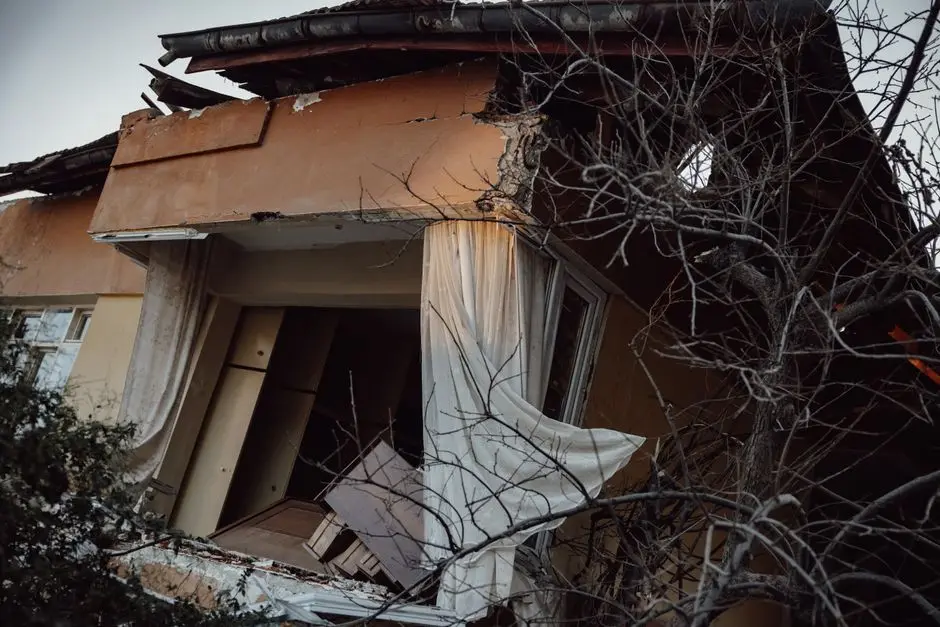
Exterior of a damaged house showing destruction from a natural disaster.
Licensed Licensed & Bonded
Fully Insured Insured & Bonded
24/7 Emergency Same-Day Response
Warranty Backed Workmanship Guaranteed

What restoration work includes

Water damage restoration covers assessment, water removal, drying, and cleaning of areas affected by a leak or flood. We check visible and concealed moisture, remove materials that cannot be dried safely, and explain repair needs. Rebuilding finishes or correcting the original plumbing, roofing, or pump failure is a separate task when it requires trade work beyond restoration; we identify that transition clearly.

Inspection and moisture mapping

We inspect the source area and surrounding rooms, then map moisture in floors, walls, and ceilings. Readings help identify how far water traveled and provide a baseline for checking progress. You learn which materials need active drying and which areas should remain under observation.

Water extraction

We pump or extract standing water from floors, lower levels, and affected soft surfaces. The equipment depends on water depth and access, and we work from the wettest areas toward drier parts of the property. Removing bulk water reduces the load on the drying phase.

Structural drying

We position air movers and dehumidification equipment to remove moisture from surfaces and the room air. The setup changes with the building materials and measured conditions. We revisit readings and adjust airflow or equipment placement as drying advances.

Cleaning and material removal

We clean affected surfaces and remove unsalvageable materials such as saturated padding or compromised drywall. If contamination is present, we use suitable protective and cleaning procedures. The work area is kept organized so you can distinguish restoration activity from later reconstruction.

Progress documentation

We track moisture readings and review the affected areas with you as work proceeds. At completion, we explain what dried, what was removed, and what repairs remain. That record gives you a practical handoff for the next stage of property recovery.

Water damage restoration in Illinois explained


Water damage restoration in Illinois is a property recovery service that removes unwanted water, dries building materials, and repairs damage after leaks or flooding. We begin by locating the water source and checking how far moisture has traveled through floors, walls, and ceilings. Extraction comes first; controlled drying follows, with readings recorded using a moisture meter. Depending on the loss, we remove damaged carpet padding or drywall, clean affected surfaces, and coordinate repairs that return the room to safe use. The aim is to address both visible water and moisture trapped out of sight.

Illinois homes face winter frozen pipes, spring thaw, heavy rain, and summer storms, while older basements and finished lower levels add drying challenges. A sump pump failure or plumbing leak can soak subflooring and insulation before water is visible upstairs. Our team assesses the materials and the source, then sets equipment to suit the affected area. If you are asking who handles water damage repair after a basement flood in Illinois, we remove water, document moisture, and guide the next repair steps.

What to expect during restoration

Water damage restoration in Illinois follows a practical sequence: stop the source, remove bulk water, dry the structure, clean affected surfaces, and confirm the result. We explain each stage before equipment goes in, keep you updated on readings, and adjust the setup as the building responds.

01

Schedule

Call or book online — a real human picks up and confirms a 2-hour arrival window.

02

Diagnose

Licensed tech inspects on-site, then walks you through the cause and your options.

03

Fix

The job is completed to code and done right the first time — no shortcuts, no surprises.

04

Guarantee

Every job backed by a written workmanship warranty — and we stand behind it.

Equipment and drying methods

Tools & Equipment

Truck-mounted water extraction unit

We use truck-mounted extraction for accessible areas with substantial water, removing bulk moisture quickly from floors and carpets before the drying setup begins.

Submersible pump

A submersible pump removes deeper standing water from basements and other low areas where a vacuum cannot keep up with the volume.

Moisture meter

We use a moisture meter to compare affected materials with dry reference areas and track whether floors, walls, or framing are responding to drying.

LGR dehumidifier

An LGR dehumidifier removes moisture from indoor air and supports drying when a room or building assembly holds a heavy moisture load.

HEPA air scrubber

A HEPA air scrubber with HEPA filter media helps control airborne particles during dusty removal or cleaning work when the conditions call for it.

Methods & Standards

Measured structural drying

We set airflow and dehumidification based on affected materials, room conditions, and moisture readings. Equipment is checked during the job and repositioned when readings show uneven drying. This avoids relying on fixed machine counts or a preset calendar to decide when the structure is ready for repair.

Controlled material removal

We remove only materials that cannot be dried or cleaned safely, such as saturated padding or compromised drywall. Where work could release dust from older painted surfaces, we consider EPA Lead Renovation, Repair and Painting (RRP) requirements where applicable. The affected area is kept orderly and protected during removal.

Water-category cleaning

We distinguish clean water from sewage or other contamination before selecting cleaning procedures. When an antimicrobial disinfectant is appropriate, we follow its EPA-registered disinfectant label requirements for application and contact time. That keeps the treatment tied to the product directions and the actual exposure.

When to call for restoration

01

A frozen pipe breaks overnight and water is running into a kitchen wall and finished basement.

What we do: After the water is shut off, we inspect the pipe area and rooms below it, extract standing water, and check wall edges and flooring for spread. We place drying equipment based on moisture readings and identify any saturated insulation or drywall that needs removal. You get a staged plan rather than a guess based on the visible puddle.

→ The leak area is cleared, wet materials are addressed, and the structure is monitored as it dries. You can plan repairs with less risk of closing in hidden moisture.

02

Spring rain overwhelms a sump pump, leaving water across a basement floor and stored belongings.

What we do: We pump out deeper water, extract remaining floor water, and separate affected contents from materials that need drying. We inspect perimeter walls and lower framing, then position equipment to address the damp basement environment. If the water is contaminated, we adjust cleaning and material-handling procedures accordingly.

→ Water is removed and affected areas are identified for drying or repair. You have a clearer inventory of damaged materials and a practical path to restore basement use.

03

A dishwasher or washing machine leak spreads beneath cabinets while the kitchen appears mostly dry.

What we do: We check the appliance footprint, cabinet toe kicks, nearby flooring, and adjoining rooms for moisture. Extraction removes accessible water, while readings show whether the floor assembly needs continued drying or limited opening. We also identify damaged padding or finish materials that cannot be retained.

→ The hidden wet area is addressed before new flooring or cabinetry covers it. You can make repairs based on the measured condition of the kitchen, not surface appearance alone.

How restoration works across Illinois

Water damage restoration across Illinois has to account for sharp seasonal swings and varied building construction. In November and through winter, frozen pipe failures are a concern; spring brings thaw, saturated ground, and basement flooding, while summer storms can drive water through roofs and foundation openings. Older masonry homes, slab construction, finished basements, and newer subdivisions each dry differently. We inspect materials and access before choosing extraction and drying equipment, then track moisture rather than assuming every room follows the same schedule. Illinois water damage restoration also requires attention to safe handling when older finishes are disturbed and to appropriate cleaning when water is contaminated. For water damage repair and structural drying in Illinois, our team coordinates the initial cleanup, drying checks, and repair handoff across communities from Rockford and Waukegan to Jacksonville. The exact building conditions, water source, and affected materials determine the work plan.

Neighborhoods We Serve

  • Oak Park homes

    Older homes can have plaster, masonry, and layered flooring that hold moisture differently from newer drywall assemblies. We check adjoining rooms and wall edges before setting the drying plan.

  • Rockford basements

    Basement flooding can affect storage, finished walls, and flooring at once. We separate salvageable contents from wet materials and check lower wall sections for moisture beyond the visible waterline.

  • Waukegan properties

    Wind-driven rain and winter freezes can produce different entry points in the same property. We trace the water path from roof or plumbing failure into ceilings, walls, and lower floors.

  • Skokie residences

    Finished lower levels and utility areas often sit close together. We check around sump equipment, laundry connections, and floor transitions so water is not left under adjacent finishes.

Local Conditions We Plan For

  • Winter cold increases the risk of frozen pipe failures

    A pipe can release water inside a wall or ceiling after it thaws, spreading damage beyond the break point. We inspect connected rooms and concealed cavities, then dry the affected assembly before repairs close it.

  • Spring thaw and heavy rain load basements

    Water may enter through low points, foundation openings, or a failed sump system. Deeper water requires pumping before floor extraction, followed by checks for moisture in stored materials, lower walls, and finished flooring.

  • Summer humidity slows drying in enclosed rooms

    Warm, humid air can make wet materials dry more slowly unless moisture is removed from the room. We use dehumidification and monitor readings so the drying setup responds to actual indoor conditions.

Basement after sump failure

Before

A failed sump pump left standing water across a finished basement. Carpet felt wet, stored boxes had absorbed water at the bottom, and the lower drywall showed discoloration. Surface cleanup alone would have left the carpet padding and floor edges wet, with no reliable way to know whether the wall cavity had dried.

After

We pumped out the standing water, extracted the carpet, and removed the saturated padding. Air movers and dehumidification ran while readings were checked across the floor and lower walls. The affected area was mapped for repair, and the customer had a clear distinction between materials that dried and materials that needed replacement.

Maintenance: Keep the sump pit clear, test the pump on a regular schedule, and check the discharge route before heavy rain. Move stored boxes onto shelving rather than leaving cardboard directly on the basement floor.

Before

A dishwasher leak left water under the cabinet toe kick and along the kitchen floor. The visible puddle was small, but dampness extended beneath the finish and into the adjoining dining area. The homeowners needed to know whether the floor assembly could dry without removing all the cabinetry.

After

We extracted accessible water, checked the cabinet edges and floor transitions, and monitored moisture as drying equipment ran. Readings helped define the affected section instead of treating the entire kitchen as damaged. The team documented the area that needed finish repair and confirmed the drying progress before the next work began.

Maintenance: Inspect appliance hoses and shutoff connections periodically, and look for swelling at cabinet bases after a leak. Address small drips quickly; water that runs beneath flooring is harder to locate once the surface dries.

Before

Stormwater entered around a roof opening and stained a bedroom ceiling. Insulation above the ceiling had become wet, and water marks reached the upper wall. The room looked mostly dry after the rain stopped, but concealed materials still needed checking before a patch could hide the damage.

After

We traced the affected ceiling and wall area, removed wet insulation that could not be retained, and dried the cavity with controlled airflow and dehumidification. Moisture checks guided the drying period, which continued for several days. The customer received a defined repair area and a clear handoff for ceiling replacement.

Maintenance: After a storm, check ceilings and upper walls for fresh staining, bubbling paint, or damp odors. Have roof openings addressed promptly and keep the affected room accessible until moisture checks are complete.

Solve common water damage problems

Water damage restoration helps limit continued soaking, hidden moisture, and avoidable material loss after a leak or flood. We respond to the source and the condition of your property, from a small appliance leak to widespread basement flooding. Early assessment gives you a clearer path to a dry, usable space.

Problem

Basement flooding leaves water beneath finished flooring

Water trapped below flooring can keep the subfloor wet and allow deterioration to continue after surface puddles disappear. Damp wall cavities also complicate repairs.

Our Fix

We extract standing water, inspect flooring edges and adjoining walls, and use moisture readings to find areas that need additional drying. If carpet padding or other porous materials are saturated, we remove affected sections rather than covering them up. Drying equipment is positioned to reach the floor assembly, and we explain what needs repair before the basement is finished again.

Problem

A burst pipe soaks walls before the leak is noticed

Water can run behind baseboards and into insulation, leaving concealed wet areas that are difficult to judge from paint or flooring alone.

Our Fix

Once the plumbing source is stopped, we trace the affected path and check nearby rooms and wall edges. We remove bulk water, monitor moisture, and open affected assemblies when needed for proper drying. Our team cleans exposed surfaces and records conditions so you have a clear basis for replacing drywall or restoring finishes.

Problem

Stormwater enters through a roof or foundation opening

Repeated rain can add water to ceilings, insulation, and lower-level walls, increasing the area that needs drying and repair.

Our Fix

We focus first on extraction and protecting interior materials from continued exposure. Our inspection follows the water path through ceilings, walls, and floors, then we dry affected areas and identify unsalvageable materials. Once the active entry point is addressed, you can move from cleanup to repairs with a clearer understanding of the damage.

Practical results for your property

Practical results for your property

Our work is built around measurable progress: less standing water, documented drying, and clear next steps for your home or commercial space. We explain what we find in plain language, so you know which materials need attention and which can remain.

  • Water removed promptly

    Standing water keeps soaking floors and lower walls until it is extracted. We use a truck-mounted water extraction unit for accessible areas and a portable extraction machine where a hose or tight room makes access difficult. Removing bulk water first reduces the load on drying equipment and gives you a safer path through the affected rooms.

  • Moisture measured, not guessed

    We check wet and apparently dry areas with a moisture meter, then compare readings as drying progresses. That helps us find water behind baseboards or beneath flooring before repairs conceal it. You receive an understandable picture of the affected materials and can see why a particular wall, floor, or cabinet needs additional drying.

  • Drying matched to materials

    A soaked carpet, dense plaster, and a damp wall cavity do not dry at the same rate. We position air movers and a LGR dehumidifier to move moisture out of the structure without relying on guesswork. This focused approach supports Illinois property drying and restoration while reducing unnecessary removal of salvageable materials.

  • A clear repair path

    After extraction and drying, we separate cleanup needs from reconstruction needs and explain the next steps. If drywall or insulation cannot be salvaged, we identify the affected area; if the structure is sound, we verify its moisture condition. You can plan repairs with less uncertainty and avoid closing wet materials behind new finishes.

Standards and working proof

Licensed & Certified

  • Water Damage Restoration Technician (WRT) — issued by Institute of Inspection, Cleaning and Restoration Certification
  • Applied Structural Drying (ASD) — issued by Institute of Inspection, Cleaning and Restoration Certification
  • Applied Microbial Remediation Technician (AMRT) — issued by Institute of Inspection, Cleaning and Restoration Certification

Verified Reviews

Google ★★★★★5.0

A homeowner in Rockford described a burst pipe that wet the basement ceiling and part of the family room. The crew extracted water, checked the wall edges, and explained why the insulation needed attention. Moisture checks continued during drying, and the homeowner knew what had been removed and what remained for repair.

Yelp ★★★★★5.0

A Skokie customer called after a washing machine leak spread beneath the laundry floor. The team pulled out accessible water, checked the adjoining hallway, and used readings to track drying. The customer said the practical explanation of the affected flooring made it easier to plan repairs without guessing.

Better Business Bureau ★★★★★5.0

A Waukegan property manager reported a ceiling leak after a storm. The crew identified wet insulation, removed the damaged section, and dried the cavity before the ceiling was repaired. The manager appreciated the organized work area and the clear handoff for the remaining finish work.

Training and field judgment

Our technicians apply water-restoration procedures to the actual building and loss, rather than treating every wet room alike. Relevant training includes IICRC Water Damage Restoration Technician (WRT) principles for water removal and drying, with IICRC Applied Structural Drying (ASD) methods used where structural materials need controlled drying. We also account for contamination risks, safe equipment placement, and material-specific limits. We do not claim a fixed number of years or jobs; our focus is a documented process, practical communication, and readings that show whether your property is drying.

  • We distinguish clean supply-line water from sewage backup and stormwater intrusion before selecting cleaning and protection methods.
  • Moisture readings guide equipment adjustments, so drying decisions reflect the structure rather than a calendar alone.
  • Our team considers EPA-registered disinfectant label requirements when cleaning surfaces after contaminated water exposure.
  • We follow OSHA workplace safety standards while handling wet materials, electrical hazards, and equipment in occupied properties.
  • Where older painted surfaces are disturbed, we account for EPA Lead Renovation, Repair and Painting (RRP) requirements where applicable.
Get Started Today
Training and field judgment

Cities served across Illinois

Our statewide coverage brings water damage restoration to communities with different housing types, weather exposure, and access needs. We handle frozen pipes, basement flooding, appliance leaks, and stormwater damage with a plan suited to the property. Water damage repair services in Illinois are available across the listed communities, from northern neighborhoods to central and southern locations. Select a city to find service information for your area.

Rockford

We address basement flooding, burst pipes, and storm-related leaks in Rockford, checking lower walls and finished floors for moisture before repairs begin.

Waukegan

In Waukegan, our team responds to plumbing leaks, roof entry, and winter pipe damage, then tracks drying in affected ceilings, walls, and lower levels.

Skokie

Skokie properties receive targeted extraction and drying for appliance leaks, basement water, and hidden moisture beneath flooring or beside utility areas.

Oak Park

We assess older Oak Park homes for moisture in plaster, wall edges, and layered flooring, preserving sound materials while addressing wet assemblies.

Romeoville

Our Romeoville service covers sump pump failures, plumbing leaks, and stormwater entry, with moisture checks that include adjoining rooms and lower walls.

Hanover Park

In Hanover Park, we extract water from finished basements and living areas, then match drying equipment to the materials and measured conditions.

Elk Grove Village

We handle commercial and residential water losses in Elk Grove Village, isolating affected areas and organizing drying around access and building use.

Burbank

Burbank homeowners can call for extraction after pipe breaks, appliance leaks, or heavy rain, with checks for water that moved under floors.

Oak Forest

Our Oak Forest work includes basement water removal and structural drying, with attention to stored contents, carpet padding, and lower wall assemblies.

Melrose Park

In Melrose Park, we trace leaks through connected rooms, remove standing water, and document moisture so repair work targets the affected areas.

Lisle

We support Lisle properties after stormwater intrusion and plumbing failures, checking ceilings, flooring, and wall cavities before equipment is removed.

Montgomery

Montgomery service covers burst pipes, appliance leaks, and flooded lower levels, with measured drying and a clear transition to finish repairs.

Harvey

Our Harvey response focuses on removing water, identifying affected building materials, and addressing contamination or hidden moisture before reconstruction.

Round Lake

In Round Lake, we handle basement flooding, sump pump failures, and winter pipe damage with extraction followed by monitored structural drying.

Jacksonville

We serve Jacksonville homes and businesses after plumbing leaks, roof leaks, and flooding, adapting the drying plan to each property's materials.

Water damage questions answered

Real answers to the questions we hear most often from local homeowners and property managers.

What does water damage restoration include in Illinois?
Water damage restoration includes inspection, water extraction, structural drying, cleaning, and documentation of affected materials. We identify the source, remove standing water, place drying equipment, and monitor moisture readings. Damaged carpet padding, drywall, or insulation may need removal if it cannot be dried safely. The exact work depends on the water category and how far moisture traveled; repairs to finishes follow once the structure is dry.
How long does water damage repair take?
A localized loss often takes about three to five days to dry, while extensive or hidden water damage can take a week or longer. Extraction may finish in hours, but drying depends on material type, water volume, room conditions, and access to cavities. We check moisture readings during the job and adjust equipment when needed. Reconstruction adds time if flooring, drywall, or cabinets must be replaced.
Does water damage restoration include structural drying?
Yes, structural drying is a core part of water damage restoration when moisture has entered building materials. We use air movers and dehumidification, then monitor floors, walls, and other affected areas with a moisture meter. Some assemblies require limited opening to release trapped moisture. Drying duration depends on the materials and readings, not just the number of machines or days elapsed.
How do I choose an Illinois water damage restoration company?
Choose an Illinois water damage restoration company that explains its inspection, extraction, drying, and documentation process before work begins. Ask how technicians distinguish water categories, track moisture, and handle materials that cannot be salvaged. Training such as IICRC WRT is relevant, as are clear communication and safe cleaning practices. A credible provider should describe the findings in terms you can understand, not promise a fixed drying time without inspecting the loss.

Related restoration services

Emergency Water Extraction

Emergency Water Extraction removes standing water before it continues soaking floors and lower walls. We select pumping or extraction equipment to match the depth and room access, then assess what remains wet. That first step supports the larger drying and repair plan for your Illinois property.

View Emergency Water Extraction

Flood Cleanup and Water Removal

Flood Cleanup and Water Removal addresses water spread across multiple rooms or a lower level after heavy rain, stormwater intrusion, or a plumbing failure. We remove pooled water, sort affected materials, and begin drying. Contamination and water depth guide the cleanup method.

View Flood Cleanup and Water Removal

Basement Water Removal

Basement Water Removal targets standing water in finished and unfinished lower levels, where concrete, framing, storage, and insulation can all be affected. We pump and extract water, check adjoining rooms, and set drying equipment based on moisture readings rather than visible puddles alone.

View Basement Water Removal

Sump Pump Failure Cleanup

Sump Pump Failure Cleanup responds when a failed pump leaves water across a basement floor. We remove water, inspect the perimeter and stored contents, and dry affected finishes. After the immediate loss, you can address the pump or drainage cause to reduce repeat flooding.

View Sump Pump Failure Cleanup

Sewage Backup Cleanup and Extraction

Sewage Backup Cleanup and Extraction handles contaminated water with controlled removal, protective procedures, and appropriate surface cleaning. We separate affected materials from clean areas and follow disinfectant label requirements. This service is not treated like a clean-water pipe leak.

View Sewage Backup Cleanup and Extraction

Burst Pipe and Plumbing Leak Cleanup

Burst Pipe and Plumbing Leak Cleanup starts after the leak is stopped, removing water from floors, cabinets, and wall areas. We check for hidden moisture around the failure point and dry materials before repair work closes the cavity. Quick extraction helps limit the area requiring replacement.

View Burst Pipe and Plumbing Leak Cleanup

Call for water damage restoration in Illinois

A wet basement or burst pipe needs action before moisture spreads into hidden materials. Our team will talk through the loss and the next practical step. Call Midwest Water Damage Pros at 8337200038 to begin service.

Call now Call our team

Contact our team

Call Midwest Water Damage Pros at 8337200038 for help finding an independent water cleanup company serving your Illinois location. Our referral line accepts calls 24/7, including frozen-pipe emergencies overnight and water entering after a storm. Tell us what happened, where the water is, and whether anyone faces an immediate safety risk so we can route your call.

Midwest Water Damage Pros


  • Phone

    8337200038
  • Address

    Illinois

  • Hours

    Mon–Fri: 7AM – 7PM
    Sat: 8AM – 4PM
    Sun: Emergency Only
    24/7 Emergency Available

Call 8337200038 Get Quote
Call Quote