
Logo
Get Estimate

Emergency Water Extraction in Illinois

We remove standing water and protect your property


Emergency Water Extraction in Illinois helps homeowners and businesses limit damage after a burst pipe, basement flood, appliance leak, or stormwater intrusion. Our technicians remove standing water, identify affected materials, and set drying equipment to address hidden moisture before it creates further problems. If water is spreading through floors or walls, call Midwest Water Damage Pros for emergency water removal in Illinois and a clear, practical next step.

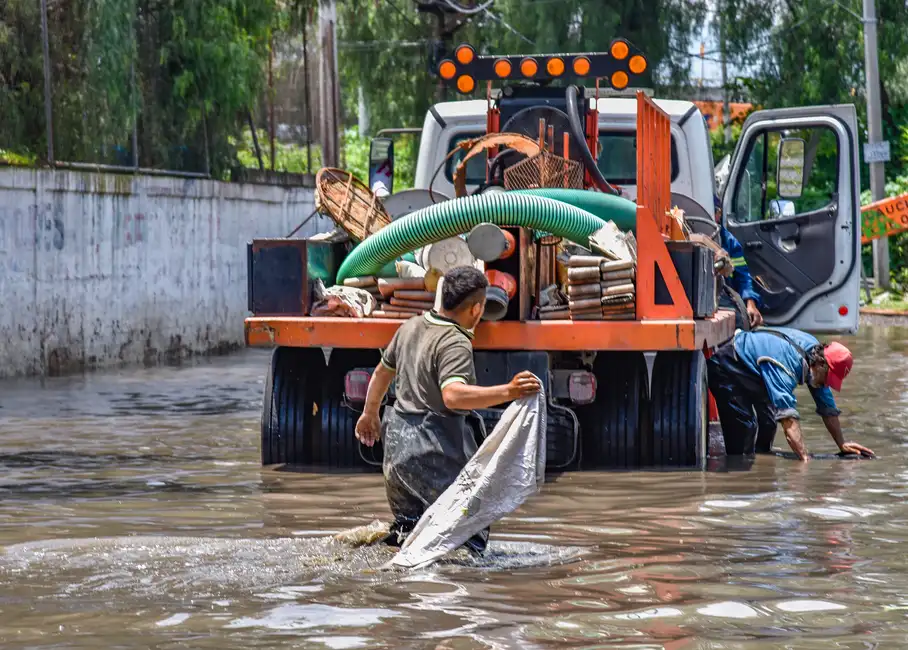
Workers wading through floodwaters near a truck, managing a city crisis after heavy rain.
Licensed Licensed & Bonded
Fully Insured Insured & Bonded
24/7 Emergency Same-Day Response
Warranty Backed Workmanship Guaranteed

What Emergency Water Extraction Includes

Emergency Water Extraction includes an initial safety and source check, removal of standing water, inspection of affected areas, and moisture readings to guide the next phase. We explain whether drying equipment, cleaning, or material removal is needed. Repairs to plumbing, roofing, or structural finishes are separate work, but we identify those needs so you can coordinate the right follow-up.

Water Source Assessment

We identify whether water is still entering from a pipe, appliance, drain, or storm opening and ask about any repairs already made. Source details affect the handling plan, especially if the water may be contaminated. If the area is unsafe, we keep people clear while the immediate hazard is addressed.

Standing Water Removal

We remove pooled water using equipment suited to the volume, surface, and access. Deep basement water calls for a different setup than a thin layer across a finished floor. We work through affected rooms and reachable floor edges, then check for residual water that could continue soaking materials.

Moisture Inspection

We check visible surfaces and nearby materials for dampness that may not show as a puddle. Moisture readings help us assess baseboards, drywall, and flooring transitions. If results point to concealed moisture, we explain the affected area and discuss the practical next step before equipment is placed.

Drying Equipment Setup

When the materials need continued drying, we position air movers and dehumidification equipment to support airflow and moisture removal. Equipment placement is based on room layout and readings, not simply the number of fans available. We check progress and adjust the setup as conditions change.

Progress Updates

You receive a straightforward explanation of what was extracted, which materials remain damp, and what follow-up is needed. We compare later readings with the initial condition and discuss cleaning or repair tasks if the loss requires them. That keeps the next steps tied to the actual property rather than assumptions.

Emergency Water Extraction in Illinois: The Work


Emergency Water Extraction in Illinois is a property recovery service that removes unwanted water and helps prevent further damage after a leak, flood, or plumbing failure. We assess the source and affected rooms, extract pooled water with equipment suited to the depth and access, and check moisture in flooring, drywall, and baseboards. A moisture meter helps map damp areas that are not visible. Extraction is the first phase; drying and cleaning follow according to the materials, water category, and conditions at your property.

Cold snaps from November through winter can freeze exposed plumbing, while spring storms and summer downpours can overwhelm drains and sump systems. Older basements, finished lower levels, and multi-unit buildings each need a different plan. Our Illinois emergency water extraction starts with the immediate hazard and the water source, then we separate salvageable contents from saturated materials. For urgent water removal after a home flood in Illinois, early extraction helps limit how far water travels into carpet padding, subflooring, and wall cavities.

What to Expect During Service

Emergency water removal in Illinois follows a clear sequence: control immediate risks, remove bulk water, inspect affected materials, and set a drying plan. We explain what we are doing as the work progresses so you know what is happening in each area.

01

Schedule

Call or book online — a real human picks up and confirms a 2-hour arrival window.

02

Diagnose

Licensed tech inspects on-site, then walks you through the cause and your options.

03

Fix

The job is completed to code and done right the first time — no shortcuts, no surprises.

04

Guarantee

Every job backed by a written workmanship warranty — and we stand behind it.

Equipment and Drying Methods

Tools & Equipment

Truck-mounted water extraction unit

We use this high-capacity extraction option where vehicle access and the building layout allow it. It removes bulk water from larger affected areas and helps reduce the time standing water remains on floors.

Portable extraction machine

A portable unit is useful for upper floors, tight hallways, and properties where a truck-mounted setup cannot reach. We use it to extract water from accessible flooring and other suitable surfaces.

Submersible pump

For deeper pooled water in a basement or low area, a submersible pump moves bulk water before detailed extraction begins. We select it according to depth and safe access.

Moisture meter

We check damp materials and compare readings across affected and reference areas. The readings help locate wet sections and track drying progress instead of relying on touch or surface appearance.

LGR dehumidifier

After extraction, a LGR dehumidifier removes moisture from the air as materials dry. We pair it with air movement and check readings so the drying setup responds to the room conditions.

HEPA air scrubber

When conditions call for air filtration during cleanup, a HEPA air scrubber helps manage airborne particles in the work area. Use depends on the loss, materials, and site assessment.

Methods & Standards

Water source and category assessment

We identify the apparent source and evaluate whether water may be contaminated before selecting handling methods. The distinction between a clean supply-line leak and sewage backup affects protective measures, material decisions, and cleanup. If the source is active, we prioritize stopping further entry before treating the affected finishes.

Moisture mapping

We take readings in the visibly wet area and at nearby transitions to understand how far moisture traveled. Where useful, a thermal imaging camera can help identify temperature patterns for further inspection, but readings and direct assessment guide decisions. You hear which surfaces are wet and what needs monitoring.

Controlled structural drying

After bulk water is removed, we arrange airflow and dehumidification to support drying of suitable materials. Equipment is placed with attention to room geometry, contents, and access. We revisit readings and adjust the setup as needed, rather than leaving fans in place without checking whether conditions are improving.

Safe cleaning and material decisions

We assess porous materials, contamination, and the work area before cleaning or removal. When disinfection is appropriate, products are used according to EPA-registered disinfectant label requirements. If renovation work disturbs older painted surfaces, applicable EPA Lead Renovation, Repair and Painting requirements must be considered.

When to Call for Emergency Removal

01

A frozen pipe breaks overnight and water is running through a ceiling or across a finished room.

What we do: Call us as soon as you can safely report the problem. We ask whether the water source has been shut off, check for electrical hazards, and bring extraction equipment for the affected floor. After removing visible water, we inspect nearby ceilings, walls, and floor transitions for spread.

→ You get the active water removed and a clearer picture of which materials need drying or repair, rather than relying on the visible stain alone.

02

A basement sump pump fails during a November rain or winter thaw, leaving pooled water near stored belongings.

What we do: We assess water depth, entry points, and access to the lower level. A pump removes deeper pooled water; extraction tools handle residual water around finished flooring and contents. We then check wall edges and stored items and set a drying plan for the affected space.

→ The basement is cleared of standing water, wet items are identified, and you know which areas need continued drying checks.

03

A dishwasher, washing machine, or refrigerator line leaks beneath cabinets while the kitchen appears mostly dry.

What we do: We inspect the appliance area, cabinet toe kicks, nearby flooring, and the route into adjoining rooms. Extraction removes water from accessible surfaces, while moisture readings help locate damp material under or beside the cabinets. We explain whether drying in place is appropriate.

→ You avoid treating a small visible puddle as the whole loss and get an informed plan for hidden moisture beneath the finished floor.

04

A roof leak or stormwater intrusion wets a ceiling and leaves water on the room below.

What we do: We remove water from accessible floors and check the ceiling area for signs of instability before working beneath it. We map affected rooms and identify wet insulation or drywall that needs further attention. The water entry point must be controlled to prevent repeat soaking during cleanup.

→ Water is extracted from the room, unsafe areas are identified, and drying can begin after the leak source is addressed.

How Illinois Conditions Shape Extraction

Emergency Water Extraction in Illinois must account for sharp seasonal changes and varied buildings. In November and winter, freezing temperatures put exposed plumbing at risk; spring rain and thaw can push water into basements, while summer storms can drive water through roof and foundation openings. Northern communities often see freeze-related pipe losses, while heavy rainfall can challenge sump systems statewide. In Chicago and older inner-ring housing, tight stairs, shared walls, and finished lower levels affect equipment access and containment. Newer subdivisions around Lake in the Hills and Vernon Hills often have finished basements where water can travel beneath flooring. Our 24/7 emergency water extraction service starts with the source and safety check, then we select equipment for the property and water depth. We account for local building conditions and applicable safety rules, including OSHA workplace safety standards. For 24-hour emergency water extraction in Illinois, tell us whether water is still entering, which level is affected, and whether the loss involves sewage; those details change the handling plan.

Neighborhoods We Serve

  • Chicago two-flats and garden units

    Shared walls, narrow stairways, and lower-level living spaces can limit equipment access. We plan the route in and check adjacent units or rooms when water may have traveled beyond the visible area.

  • Elgin older basements

    Older masonry and finished basement walls can hold moisture after a leak or storm. We inspect floor-to-wall transitions and use readings to distinguish a dry-looking surface from damp material.

  • Wheaton residential subdivisions

    Finished lower levels and utility rooms can be affected by sump problems or appliance leaks. We check nearby storage, floor edges, and wall bottoms before deciding where drying equipment belongs.

  • Belleville mixed-age housing

    Different construction ages and room layouts call for an on-site assessment rather than a preset setup. We identify water spread, access constraints, and materials that need drying or removal.

Local Conditions We Plan For

  • Winter freezes stress exposed plumbing and exterior-wall pipe runs

    A pipe can split while frozen and release water as temperatures rise. We check the source and the path water traveled through walls and floors, then use moisture readings to identify damp areas beyond the original leak.

  • Spring rain and thaw increase basement water entry

    Sump pump failure, seepage, or overwhelmed drainage can leave several inches of water in a lower level. Water depth affects pumping equipment, while finished floors and stored contents require a separate inspection after bulk removal.

  • Summer storms drive roof and surface-water intrusion

    Wind-driven rain can wet ceilings and insulation before a floor puddle appears. We inspect above and below the visible entry point, keep clear of unstable ceilings, and coordinate extraction with control of the opening.

Basement Water After Pump Failure

Before

A sump pump failure left standing water across a finished basement, with wet carpet and boxes near the walls. The room looked uniformly damp, but water depth varied around furniture and the stair landing. The owner needed the water removed and clear guidance on whether the lower wall sections had also been affected.

After

We pumped out the pooled water, extracted the remaining surface water, and checked the carpet edges and lower drywall. The extraction phase took about 3 hours for the contained area; drying continued for several days with equipment and follow-up readings. The homeowner had a documented plan for wet contents and remaining damp materials.

Maintenance: Test the sump pump according to its manufacturer instructions and keep the discharge route clear. After heavy rain, inspect the basement floor and utility area. Move stored items off the floor so a small leak is easier to spot and less likely to damage belongings.

Before

A failed line under a kitchen sink sent water beneath the cabinet and into the adjoining floor. The visible puddle was small, but the toe kick and flooring transition felt damp. The homeowner was concerned that water had traveled under the finished surface without leaving an obvious mark.

After

We extracted accessible water, checked the cabinet base and adjoining floor, and mapped moisture around the transition. Air movers and dehumidification were placed to support drying. Follow-up readings showed where conditions improved and which section needed continued attention, giving the owner a concrete basis for the next repair decision.

Maintenance: Inspect supply connections beneath sinks and appliances for drips, corrosion, or movement. Replace damaged hoses promptly and know where the fixture shutoff is located. A quick shutoff can limit the amount of water released if a connection fails.

Before

After a strong storm, water entered a lower-level room and soaked flooring near the foundation wall. The family removed a few belongings but could not tell whether water had crossed into the adjoining storage area. Dampness remained after the visible water was pushed toward a floor drain.

After

We removed standing water from the affected rooms, checked the wall and floor transitions, and identified damp materials that needed continued drying. The initial extraction lasted about 2 hours for the accessible area. Equipment and readings addressed the remaining moisture rather than treating the drained floor as fully dry.

Maintenance: Keep floor drains and sump discharge paths clear, and check the lower level after major rain or thaw. Store valuables above floor level. If water returns, note where it enters and call before moving items through potentially contaminated water.

Problems Solved by Rapid Water Removal

Water damage often spreads farther than the first visible puddle, particularly beneath flooring or behind finished walls. We trace the affected area, remove water, and help you address the source and drying needs in the correct order. A prompt response reduces avoidable exposure for building materials and belongings.

Problem

Basement flooding after a sump pump stops during heavy rain

Water can spread through stored belongings and finished rooms, soak carpet padding, and wick into drywall before the level is obvious.

Our Fix

We assess water depth and access, then use a submersible pump or extraction equipment suited to the basement. After bulk removal, we inspect floor edges and lower wall sections for moisture. We help separate wet contents from dry items and set a drying plan based on readings, not appearance alone.

Problem

A burst or frozen pipe saturates floors and wall cavities

Water may run into adjoining rooms or down a wall, leaving hidden moisture that continues damaging insulation, baseboards, and subflooring.

Our Fix

We confirm the source has been controlled, extract visible water, and check the route it traveled. Moisture readings guide whether drying can proceed in place or if affected materials need removal. We explain what the readings show and where continued monitoring is needed.

Problem

Sewage backup leaves contaminated water on a lower level

Contact with contaminated water creates a health concern and can affect flooring, contents, and porous materials beyond the drain area.

Our Fix

We keep the affected area controlled, assess how far the backup spread, and use appropriate extraction and cleanup procedures. Porous materials that cannot be safely cleaned are identified for removal. Disinfection follows the product label and site conditions, and we explain access restrictions while work proceeds.

Problem

Stormwater enters through a roof leak or foundation opening

Water can damage ceilings, insulation, and finished flooring while the source remains active, especially during repeated rain or snowmelt.

Our Fix

We remove accessible water and map the affected rooms, including surfaces below the entry point. We note any ceiling instability and keep people clear of unsafe areas. Once the opening is controlled, drying equipment and follow-up readings help address moisture left in the structure.

Practical Benefits of Fast Removal

Practical Benefits of Fast Removal

A prompt response helps you regain control of a wet property before damage spreads into additional rooms. We focus first on stopping the source when safe, removing standing water, and documenting moisture conditions so the next drying steps are based on readings rather than guesswork.

  • Limit Material Damage

    Standing water continues to soak flooring, trim, and contents while it remains in place. We select extraction equipment for the amount of water and the surface, then check affected areas with a moisture meter. Removing water early reduces the time materials stay saturated and helps us identify what needs drying, cleaning, or removal.

  • Address Hidden Moisture

    A dry-looking surface can conceal damp drywall, insulation, or subflooring. We check adjoining rooms and edges around cabinets, stairs, and baseboards rather than stopping where the visible puddle ends. That broader inspection gives you a more useful drying plan and helps reduce the chance that trapped moisture becomes a later problem.

  • Respond Around the Clock

    Pipes do not wait for business hours. Our 24/7 emergency water extraction service is built for situations such as a frozen pipe at 2 a.m. or a sump pump failure during a heavy rain. Call 8337200038 to report the water source, affected level, and any electrical or sewage concern.

  • Plan the Right Drying

    Extraction and structural drying are related but separate tasks. After water removal, we place air movers and dehumidification equipment according to the affected materials and measured moisture. You receive practical guidance on access, contents, and what the drying readings mean as the property moves toward a dry standard.

Training and Service Standards

Licensed & Certified

  • Water Damage Restoration Technician (WRT) — issued by Institute of Inspection, Cleaning and Restoration Certification
  • Applied Structural Drying (ASD) — issued by Institute of Inspection, Cleaning and Restoration Certification
  • Applied Microbial Remediation Technician (AMRT) — issued by Institute of Inspection, Cleaning and Restoration Certification

Verified Reviews

Customer feedback Not stated

A Chicago homeowner described a kitchen line leak that reached the next room. The crew extracted the water, checked the cabinet and floor edges, and explained the readings before setting drying equipment. The useful detail was the inspection beyond the visible puddle.

Customer feedback Not stated

An Elgin homeowner reported basement water after a sump pump stopped during rain. The crew removed pooled water, checked the finished wall sections, and explained what needed drying. Updates focused on the readings and the affected areas rather than a generic cleanup promise.

Customer feedback Not stated

A Belleville resident described an appliance leak that had spread beyond the laundry room. The team extracted water, checked the adjoining hallway, and placed air movers based on the damp areas. The homeowner valued the clear explanation of why a dry-looking section still needed inspection.

Training and Field Judgment

Emergency Water Extraction in Illinois requires decisions about water depth, contamination, building materials, and safe equipment placement-not just a pump. Our technicians apply water-damage restoration practices and follow IICRC Water Damage Restoration Technician (WRT) principles when evaluating affected areas. We do not claim a specific number of years or completed jobs; our focus is careful inspection, clear communication, and measured drying progress. When a loss involves contaminated water or complex structural drying, we identify the appropriate next steps and keep the work aligned with the property conditions.

  • We use moisture readings to compare affected materials with dry reference areas and guide drying decisions.
  • Our technicians distinguish clean supply-line leaks from sewage or other contaminated water before selecting handling procedures.
  • We check wall edges, floor transitions, and adjoining rooms for hidden moisture instead of treating only visible puddles.
  • Equipment placement accounts for room size, airflow paths, contents, and access around occupied living areas.
  • We explain what extraction resolves immediately and what additional cleaning, drying, or repair work remains.
Get Started Today
Training and Field Judgment

Cities We Serve Across Illinois

Midwest Water Damage Pros provides Emergency Water Extraction across Illinois, with service planned around each property's layout, access, and water source. From dense city buildings to suburban basements and communities farther south, we bring equipment suited to the loss rather than assuming every job is alike. Our urgent water removal team in Illinois serves the communities below and neighboring areas; call 8337200038 to report the affected level, water depth, and any immediate safety concern.

Chicago

In Chicago, we plan around multi-unit buildings, narrow access, and finished lower levels. We check adjoining rooms and remove water with equipment that fits the property.

Elgin

Elgin homes can have older basements and varied room layouts. We inspect lower walls and floor transitions after extraction to locate moisture beyond the visible water.

Palatine

For Palatine properties, we address basement flooding, plumbing leaks, and appliance water losses with extraction and moisture checks tailored to the affected rooms.

Wheaton

In Wheaton, sump issues and household leaks can affect finished lower levels. We remove standing water and check nearby flooring, baseboards, and stored contents.

Belleville

Belleville properties range in age and layout, so we assess access and materials before choosing equipment. We extract water and guide drying based on readings.

Carpentersville

Carpentersville homeowners can call for basement water, burst pipes, or appliance leaks. We check how far water traveled before setting a targeted removal and drying plan.

O'Fallon

In O'Fallon, we respond to water losses in homes and businesses, remove standing water, and inspect adjoining areas where moisture can move out of sight.

Lake in the Hills

Finished basements and utility spaces in Lake in the Hills need careful inspection after a leak. We extract water and check wall edges and floor transitions.

Vernon Hills

For Vernon Hills properties, we match extraction equipment to the water depth and room access, then use moisture readings to guide drying follow-up.

Zion

Zion residents can call after a plumbing failure, basement flood, or stormwater intrusion. We remove pooled water and assess affected materials before drying begins.

Loves Park

In Loves Park, our response addresses water from sump failures, burst lines, and household leaks. We inspect beyond the wettest spot to identify hidden spread.

Blue Island

Blue Island properties may have varied building layouts and lower-level spaces. We plan access, extract standing water, and check nearby materials for remaining moisture.

Libertyville

For Libertyville homes and businesses, we remove water from the affected area and tailor drying to the materials, access, and source of the loss.

Matteson

Matteson homeowners can call for fast assessment after a pipe, appliance, or basement water loss. We extract pooled water and explain the next drying steps.

Bourbonnais

In Bourbonnais, we handle water intrusion and plumbing losses with a site-specific plan. We check the affected rooms and remove water before it spreads further.

Emergency Water Extraction FAQs

Real answers to the questions we hear most often from local homeowners and property managers.

How quickly can emergency water extraction arrive in Illinois?
We take emergency calls 24/7, and arrival timing depends on your location, road conditions, and active calls. Tell us whether water is still flowing, how much floor area is affected, and whether electricity or sewage is involved. Those details help us prioritize hazards and bring suitable equipment. Move people and pets away from standing water, and do not enter a flooded area if outlets or appliances may be submerged.
What should I do while waiting for urgent water removal?
Keep people and pets out of the affected area, and shut off the water source only if you can reach it safely. Do not step into water near electrical equipment or outlets. If safe, take photos from a dry location and move small valuables from the path of water. Avoid using a household vacuum on standing water; our technicians bring equipment designed for extraction and assess contamination before cleanup.
Is 24/7 emergency water extraction available in Illinois?
Yes, our emergency line is open 24 hours a day, 7 days a week for urgent property water losses. Call 8337200038 for a burst pipe, sump pump failure, stormwater intrusion, or appliance leak. We ask about the source, affected rooms, and safety concerns, then explain the next response step. A 24-hour emergency water extraction in Illinois can reduce the time water remains against floors and other materials.
How much does emergency water removal cost in Illinois?
A contained extraction job often ranges from $250 to $1,500, while larger losses with multiple rooms or contaminated water can exceed $5,000. In 2026, the price depends on water volume, access, affected materials, equipment time, and whether drying or disposal is needed. We explain pricing upfront before proceeding with the work. Call with the affected square footage and water source for a more useful initial discussion.

Related Water Damage Services

Water Damage Restoration

Extraction removes bulk water; restoration addresses the drying, cleaning, and repair work that follows. We check walls, flooring, and contents after the immediate loss, then identify what can be dried and what needs repair. This keeps the recovery plan tied to actual moisture conditions.

View Water Damage Restoration

Flood Cleanup and Water Removal

Flood cleanup addresses widespread water from storms, drainage problems, or overflow. We remove standing water, assess affected materials, and set drying equipment where needed. If floodwater contains soil or other contamination, we account for that before deciding how materials should be cleaned or discarded.

View Flood Cleanup and Water Removal

Basement Water Removal

Basements can collect water quickly after heavy rain, drain backup, or a failed sump system. We use pumps and extraction equipment appropriate to depth, then inspect lower wall sections, stored contents, and floor edges. Drying plans account for limited airflow and moisture trapped below grade.

View Basement Water Removal

Sump Pump Failure Cleanup

When a sump pump stops during a storm, water can spread across a basement before you notice. We remove pooled water, check the finished and unfinished areas, and measure damp materials. We also identify whether the problem appears tied to pump failure or another active source.

View Sump Pump Failure Cleanup

Sewage Backup Cleanup and Extraction

Sewage backup requires controlled handling because contaminated water can affect floors, belongings, and lower wall materials. We assess the impacted area, remove water with suitable equipment, and separate salvageable contents from materials that need disposal. Cleaning follows the contamination conditions and product label requirements.

View Sewage Backup Cleanup and Extraction

Burst Pipe and Plumbing Leak Cleanup

A burst pipe can saturate a room or travel through ceilings and wall cavities before the leak is found. We extract visible water, trace affected areas with moisture checks, and coordinate the cleanup sequence around source control. Rapid removal limits continued soaking while plumbing repairs are arranged.

View Burst Pipe and Plumbing Leak Cleanup

Call for Emergency Water Extraction in Illinois

If water is spreading through your home or business, call Midwest Water Damage Pros at 8337200038. Our 24/7 emergency line connects you with a team ready to assess the source and begin a practical removal plan.

Call Now Call for Help

Contact our team

Call Midwest Water Damage Pros at 8337200038 for help finding an independent water cleanup company serving your Illinois location. Our referral line accepts calls 24/7, including frozen-pipe emergencies overnight and water entering after a storm. Tell us what happened, where the water is, and whether anyone faces an immediate safety risk so we can route your call.

Midwest Water Damage Pros


  • Phone

    8337200038
  • Address

    Illinois

  • Hours

    Mon–Fri: 7AM – 7PM
    Sat: 8AM – 4PM
    Sun: Emergency Only
    24/7 Emergency Available

Call 8337200038 Get Quote
Call Quote