
Logo
Get Estimate

Burst pipe and plumbing leak cleanup in Illinois

Stop the leak, remove water, and dry your home


Burst pipe and plumbing leak cleanup in Illinois helps homeowners and property managers stop water from spreading through floors, walls, and ceilings. We coordinate with your plumber, remove standing water, and dry affected materials after a sudden pipe break or hidden plumbing leak. For pipe leak water removal in Illinois, call our team when a frozen line lets go, a supply pipe splits, or a leak appears overnight.

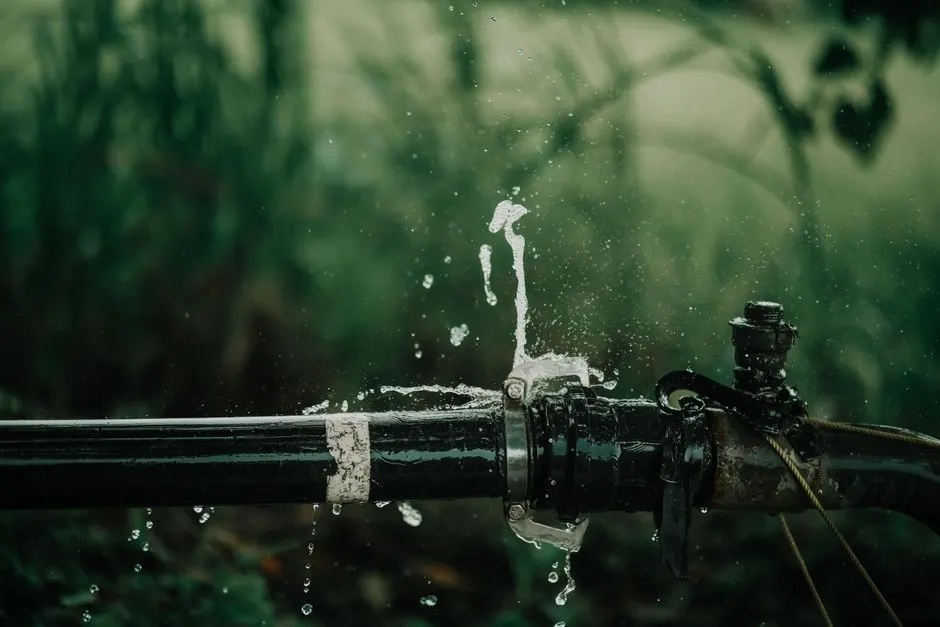
A detailed view of a leaking water pipe in a lush green garden setting.
Licensed Licensed & Bonded
Fully Insured Insured & Bonded
24/7 Emergency Same-Day Response
Warranty Backed Workmanship Guaranteed

What pipe leak cleanup includes

Burst pipe and plumbing leak cleanup covers the water damage response: inspection, extraction, moisture monitoring, and structural drying. We identify affected materials and explain what can be dried in place or needs removal. Plumbing repairs and reconstruction are handled as separate work, but we coordinate with your plumber so drying follows a controlled repair. You receive clear progress updates and a final review of measured conditions.

Damage and moisture inspection

We inspect the visible water path and nearby surfaces, including adjoining rooms and lower levels where water may have traveled. Moisture readings help identify wet materials that need extraction, airflow, or closer monitoring. We document conditions so you can understand the affected area before drying begins.
Standing water extraction

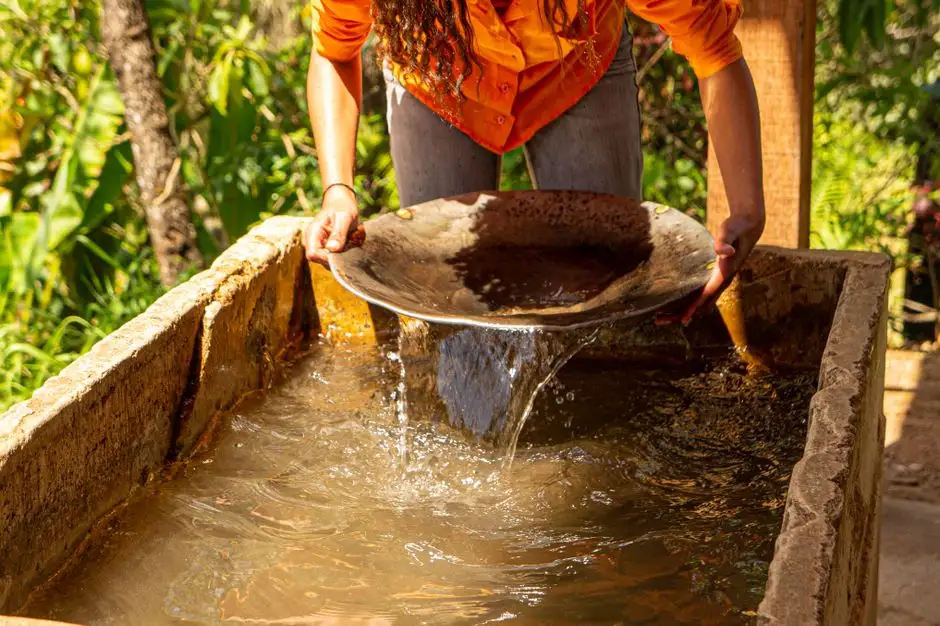
We remove pooled water from accessible flooring and other affected surfaces using equipment suited to water depth and room access. Extraction reduces the water load on carpets and building materials. We also check edges, corners, and transitions where water can collect out of sight.

Structural drying setup

We position air movers and dehumidification equipment to dry affected materials, then adjust the setup as readings change. Equipment placement accounts for room layout, contents, and safe access. Follow-up checks help establish whether drying is progressing or a material needs a different response.

Material condition guidance

We explain the condition of carpet padding, drywall, insulation, baseboards, and subflooring affected by the leak. When removal is required, we identify the material and area before proceeding. This helps prevent wet components from being concealed behind later repairs.

Cleaning and work-area control

Where the work requires material removal, we control dust and protect nearby areas with polyethylene containment sheeting when appropriate. Any antimicrobial disinfectant is applied according to its EPA-registered disinfectant label requirements and the conditions found at the property.

Burst pipe and plumbing leak cleanup in Illinois


Burst pipe and plumbing leak cleanup in Illinois is a water-damage restoration service that removes water and dries building materials after a pipe breaks or plumbing leak saturates a property. We start by identifying affected rooms and confirming the water source is shut off, then extract standing water from floors and accessible cavities. Moisture readings guide decisions about carpet padding, drywall, insulation, baseboards, and subflooring. The goal is to prevent hidden moisture from lingering behind finished surfaces while preserving materials that can be dried safely.

Cold snaps, freeze-thaw swings, and long heating seasons put exposed plumbing at risk in older homes, crawlspaces, and unheated utility areas. A supply-line failure can soak a basement before anyone notices, while a small cabinet leak can travel beneath flooring. Our Illinois burst pipe and plumbing leak cleanup responds to those different patterns; we explain how to limit water damage after a burst pipe in Illinois by shutting off the supply and keeping clear of electrical hazards.

What to expect from cleanup

Burst pipe and plumbing leak cleanup in Illinois follows a practical sequence: stop the source, document conditions, extract water, dry the structure, and confirm results. We explain each stage before equipment is placed, so you know what is happening in your home and why.

01

Schedule

Call or book online — a real human picks up and confirms a 2-hour arrival window.

02

Diagnose

Licensed tech inspects on-site, then walks you through the cause and your options.

03

Fix

The job is completed to code and done right the first time — no shortcuts, no surprises.

04

Guarantee

Every job backed by a written workmanship warranty — and we stand behind it.

Equipment and drying methods

Tools & Equipment

Truck-mounted water extraction unit

Used where access and the volume of water make high-capacity extraction practical. It removes bulk water from suitable flooring before the crew shifts to detailed checks and structural drying.

Portable extraction machine

Useful for upper floors, tight hallways, and rooms where truck-mounted access is limited. The crew can work close to wet edges and flooring transitions without routing heavy equipment through the property.

Moisture meter

Measures moisture conditions in accessible building materials and helps compare affected areas with dry reference points. Repeat readings guide equipment adjustments and help verify drying progress.

LGR dehumidifier

Pulls moisture from room air to support drying of wet building materials. We size and position the equipment based on affected space, material readings, and air movement.

Dri-Eaz air mover

Moves air across wet surfaces to support evaporation when positioned with a drying plan. We direct airflow at affected materials and adjust placement as readings change.

Methods & Standards

Source control before extraction

We verify that the broken line or plumbing leak has been shut off before treating the resulting water damage. If repairs are still in progress, we coordinate the work sequence with your plumber. This prevents extraction and drying from being undermined by water continuing to enter the structure.

Measured structural drying

We establish baseline moisture readings, place air movement and dehumidification equipment, then recheck affected materials. Drying decisions follow the readings and material response, not a fixed number of machines per room. If progress stalls, we reassess the airflow, access, and whether concealed material needs attention.

Controlled work-area protection

When wet materials need removal, we protect unaffected areas and manage dust and debris. Polyethylene containment sheeting can separate the work zone, while HEPA filter media supports particle capture in appropriate equipment. We follow OSHA workplace safety standards and account for EPA Lead Renovation, Repair and Painting (RRP) requirements where applicable.

When to call for cleanup

01

A frozen pipe bursts during a November cold snap and water reaches a finished basement.

What we do: Once the water supply is shut off, we inspect the basement, remove standing water, and check carpet, stored contents, and lower wall materials. We use extraction equipment for pooled water and place drying equipment according to moisture readings. If the pipe repair is still underway, we coordinate the cleanup sequence with your plumber.

→ Water is removed, wet materials are identified, and drying progress is tracked instead of leaving the basement to air out on its own.

02

A bathroom supply line fails overnight and stains the ceiling in the room below.

What we do: We assess both the bathroom and the ceiling below because water can follow framing away from the break. After the plumbing repair, we extract water from affected surfaces, check nearby wall and ceiling materials, and set controlled drying. You receive an explanation of any material that needs removal before repairs begin.

→ The leak damage is mapped across both levels, and moisture is addressed before the ceiling is closed or refinished.

03

A slow cabinet or appliance connection leak is found after flooring begins to lift.

What we do: We check the cabinet base, floor edges, and adjoining rooms for concealed moisture, then confirm the source has been repaired. Extraction and drying are matched to the floor assembly and nearby materials. If removal is necessary, we explain the affected section and coordinate the next step with your repair contractor.

→ You learn whether the damage is limited to the visible floor or extends into the subfloor and wall materials.

04

A burst pipe floods a multi-unit hallway and water moves beneath neighboring doors.

What we do: We identify the affected units and shared areas, prioritize safe access, and document moisture conditions across the water path. Extraction begins at pooled areas, followed by drying equipment in rooms where readings show wet materials. We coordinate access with the property contact and keep residents informed about equipment and walkways.

→ The response covers shared and private areas systematically, helping prevent missed wet spots between units.

How cleanup works across Illinois

Illinois properties face winter freeze exposure, spring thaw, humid summers, and sharp temperature changes that stress plumbing in exterior walls, garages, crawlspaces, and basements. In older housing, narrow utility rooms and layered finishes can hide where water traveled; newer homes can still have long supply runs beneath cabinets and finished floors. Our Illinois burst pipe and plumbing leak cleanup starts by mapping the actual damage, not assuming the leak stayed in one room. We use readings to guide extraction and drying, with access and building materials shaping the setup. Emergency response can involve a frozen pipe at night, a ceiling leak in a multi-level home, or a basement loss after a pipe separates near a water heater. For water extraction after a plumbing leak in an Illinois home, we coordinate with the plumbing contractor, protect safe walkways, and track drying before repairs cover affected materials. Local code requirements and permit questions depend on the repair and municipality; your plumbing contractor handles the applicable plumbing work.

Neighborhoods We Serve

  • Champaign

    Student rentals and family homes can have different access needs, so we coordinate entry, contents protection, and drying equipment placement with the property contact.

  • Evanston

    Older multi-level homes can let water travel from an upper-floor bathroom into ceilings below; we check both the visible stain and adjoining assemblies.

  • Berwyn

    Basements and compact utility areas can limit equipment access, making a careful extraction route and clear equipment placement especially important.

  • East Moline

    Cold-season pipe failures can affect exterior-facing plumbing and lower levels; we check nearby walls and floors rather than treating only the puddle.

Local Conditions We Plan For

  • Winter freezes affecting pipes in unheated spaces

    A frozen pipe can split before water becomes visible, then release a large volume as temperatures rise. We check nearby cavities and lower floors for water travel and coordinate drying after the plumbing repair.

  • Older basements with finished wall and floor assemblies

    Finished surfaces can conceal wet insulation or moisture behind baseboards. We use inspection and readings to identify the affected assembly, then explain where drying is practical and where material removal is needed.

  • Humid summer conditions slowing indoor drying

    High outdoor humidity can make ventilation alone ineffective after a plumbing leak. Controlled air movement and dehumidification help manage indoor moisture while repeat readings show whether affected materials are drying.

Basement supply-line break

Before

A supply line split near a basement utility area and water spread across carpet and into the room edges. The homeowner had removed a few boxes but could not tell whether padding or lower wall materials were wet. The pipe was shut off, but standing water and a damp odor remained.

After

We extracted pooled water, checked carpet edges and nearby wall materials, and set air movers with dehumidification. Follow-up readings over 4 days showed the affected areas trending toward the established drying goal. The homeowner received a clear note about the carpet padding and the remaining repair decisions.

Maintenance: Keep the utility area accessible and check exposed supply lines during seasonal maintenance. If a new stain or damp odor appears, shut off the source and inspect promptly rather than covering it with stored items.

Before

A bathroom connection failed and water appeared as a ceiling stain below. The leak also dampened part of the hallway floor, but the visible stain did not show how far moisture had moved. The plumber repaired the line before cleanup began.

After

We checked the bathroom, hallway, and ceiling below, extracted accessible water, and monitored affected materials. Wet ceiling material was identified for removal, while adjacent surfaces remained in place for drying. After 3 days of equipment and follow-up checks, the areas were ready for the next repair stage.

Maintenance: Inspect supply connections and shutoff valves for drips during routine home checks. After any repair, watch the ceiling and floor below for new staining or swelling for the next several days.

Before

A slow leak beneath a kitchen sink went unnoticed until the cabinet base and nearby flooring began to swell. The surface looked only slightly damp, so the homeowner was unsure whether the damage reached the subfloor or the adjoining wall.

After

After the plumbing source was repaired, we checked the cabinet base, floor perimeter, and nearby wall with moisture readings. Extraction and targeted drying addressed the affected area; readings were reviewed again over 2 days. The homeowner could see which materials needed repair and which had dried in place.

Maintenance: Look inside sink cabinets and around appliance connections every month for droplets, discoloration, or soft material. Replace a failed hose or fitting promptly, then check the floor beneath it for lingering moisture.

Problems solved after a pipe break

A leak can damage more than the room where water first appears. We trace the affected area, remove water, and set a drying plan based on materials and readings. If you are wondering who handles burst pipe cleanup and structural drying in Illinois, our team manages the water damage portion and coordinates with the plumber repairing the line.

Problem

Water spreading from a broken supply line into finished rooms

Water can run beneath flooring and into baseboards before a surface puddle looks severe. Delayed drying leaves more material saturated and complicates repair decisions.

Our Fix

We inspect the visible route and check neighboring rooms, floor transitions, and wall edges for moisture. After the source is shut off, we extract pooled water and set drying equipment where readings show it is needed. You get a clear explanation of affected materials and what we will monitor.

Problem

Wet basement carpet after a pipe or utility-room failure

Carpet padding holds water against the floor, while moisture can reach stored belongings and lower wall materials. A damp basement can remain affected after the visible water is gone.

Our Fix

We remove standing water with equipment suited to the depth and access, then assess carpet, padding, and adjacent materials. If padding cannot be dried safely, we explain the removal area. Dehumidification and follow-up readings track progress in the basement rather than relying on surface feel.

Problem

A ceiling leak with water trapped above drywall

Water trapped in a ceiling cavity can stain finishes, wet insulation, and travel to another room. Closing the area too soon can conceal remaining moisture.

Our Fix

We map the affected ceiling and nearby walls, check moisture conditions, and coordinate with your plumber to confirm the leak has stopped. Where wet material needs removal, we identify the area and control the work zone. Drying and readings continue before repairs close the assembly.

Problem

A small plumbing leak discovered after flooring buckles

A slow leak can spread beneath flooring before anyone sees a puddle. Swelling, loose seams, or a musty odor can signal moisture in the subfloor or nearby wall.

Our Fix

We investigate the affected floor and surrounding edges, confirm the plumbing source is repaired, and use moisture readings to guide extraction and drying. If flooring or subflooring remains wet, we explain the options and coordinate the drying sequence with the repair work.

A drier, safer property

A drier, safer property

Burst pipe damage is easier to manage when water is removed promptly and drying is measured rather than guessed. We focus on the affected materials, keep you informed about what can be salvaged, and document moisture conditions so the next step is clear.

  • Water removed promptly

    Standing water adds weight to carpet, damages flooring, and moves into wall cavities. We use a truck-mounted water extraction unit or portable extraction machine based on access, flooring, and the amount of water. Removing bulk water first gives drying equipment a better chance to work and helps reduce avoidable demolition.

  • Hidden wet areas found

    A dry-looking surface does not prove the assembly underneath is dry. We check affected areas with a moisture meter and use thermal imaging when conditions warrant it, then compare readings as drying progresses. You get a clearer picture of what is wet, what is drying, and where further inspection is needed.

  • Materials assessed carefully

    Carpet padding, drywall, insulation, and subflooring respond differently to clean water and exposure time. We assess each material instead of treating the entire room the same way. If removal is needed, we explain the affected area and protect nearby contents with polyethylene containment sheeting where appropriate.

  • Drying tracked to readings

    Air movement alone is not a drying plan. We position air movers and a LGR dehumidifier to control moisture, then take follow-up readings rather than relying on touch. Plumbing leak cleanup and drying continues until the affected materials meet the drying goals established for the job.

Training and work standards

Licensed & Certified

  • Water Damage Restoration Technician — issued by Institute of Inspection, Cleaning and Restoration Certification
  • Applied Structural Drying — issued by Institute of Inspection, Cleaning and Restoration Certification
  • Applied Microbial Remediation Technician — issued by Institute of Inspection, Cleaning and Restoration Certification

Verified Reviews

Google Not stated

A homeowner described a burst pipe that soaked the kitchen floor and cabinet base. The crew extracted water, checked the adjoining room, and explained why drying equipment needed to stay in place. The homeowner appreciated seeing moisture readings and knowing what would happen before the flooring repair.

Google Not stated

A property manager reported a leak from an upper-floor bathroom that affected a hallway and ceiling below. The team mapped both areas, coordinated with the plumber, and returned to check drying progress. The manager noted that the updates helped schedule the next repair without guessing whether the materials were dry.

Yelp Not stated

A customer described finding water in a basement after a pipe failure. The crew removed the standing water, checked carpet edges and lower walls, and explained what needed further attention. The customer valued the practical walkthrough and the clear difference between cleanup work and the remaining plumbing repair.

Field knowledge that matters

Burst pipe cleanup is not just vacuuming a floor; it requires sound decisions about water movement, material condition, and drying control. Our technicians use IICRC Water Damage Restoration Technician (WRT) principles to assess water-affected building assemblies and IICRC Applied Structural Drying (ASD) practices to guide equipment placement and monitoring. We work with your plumbing contractor when repairs to the line are needed, then focus on the water damage. You get clear explanations, measured progress, and a practical path from the first extraction pass to final drying checks.

  • IICRC Water Damage Restoration Technician (WRT) training supports consistent inspection, extraction, and water-damage procedures.
  • IICRC Applied Structural Drying (ASD) methods help guide airflow, dehumidification, and moisture monitoring.
  • We distinguish a one-room supply-line leak from water traveling through ceilings, wall cavities, or multiple floors.
  • Our team identifies saturated carpet padding and insulation that can remain wet after visible surfaces appear dry.
  • We coordinate water mitigation with plumbing repairs so the leak source is addressed before drying equipment is removed.
Get Started Today
Field knowledge that matters

Cities we serve in Illinois

Our statewide coverage brings burst pipe and plumbing leak cleanup to homes and businesses across northern, central, and southern Illinois. We plan equipment and access around each property, whether water is trapped in a basement, moving between apartment floors, or spreading beneath finished flooring. For pipe leak water removal in Illinois, our crews assess the damage, coordinate with your plumber, and track drying so the next repair step is clear.

Champaign

We assess burst-pipe damage in Champaign homes and rentals, extract pooled water, and check adjoining rooms so wet flooring or wall edges are not missed.

Evanston

In Evanston, we check upper-floor plumbing leaks against ceilings and rooms below, then use moisture readings to guide extraction and drying.

Berwyn

Berwyn properties with basements or compact utility spaces receive an access-aware cleanup plan, with standing water removed before drying equipment is placed.

Elmhurst

For Elmhurst pipe leaks, we inspect the visible water path and nearby finished areas, then document affected materials before the repair phase.

Quincy

Our Quincy response focuses on stopping the water source, extracting standing water, and checking floors and lower walls for moisture beyond the first puddle.

Northbrook

In Northbrook, we tailor equipment to the affected rooms and access, monitoring flooring, baseboards, and adjoining spaces after a plumbing failure.

Highland Park

Highland Park cleanup includes checking multi-level water paths and finished materials, with drying guided by measured moisture rather than surface appearance.

New Lenox

We handle New Lenox burst-pipe losses by extracting water, assessing affected materials, and explaining what can dry in place or needs removal.

Woodstock

Woodstock properties receive focused checks for winter pipe damage, including nearby walls and lower levels where water may travel after a thaw.

Elmwood Park

In Elmwood Park, our crew maps the leak's spread across rooms, removes standing water, and keeps drying equipment positioned for safe access.

Villa Park

Villa Park plumbing leak cleanup includes checking floor transitions, cabinets, and adjacent rooms where a small line failure can leave hidden moisture.

East Moline

For East Moline pipe breaks, we assess cold-season exposure and lower-level damage, then monitor drying across affected floors and wall edges.

Lake Forest

Lake Forest cleanup is planned around the home's layout and affected finishes, with extraction followed by material-specific drying checks.

Shorewood

In Shorewood, we remove water from accessible surfaces and inspect nearby flooring and baseboards, helping identify the full extent before repairs.

Hinsdale

Hinsdale homeowners receive a documented assessment of wet materials, extraction, and structural drying so the restoration plan reflects measured conditions.

Questions about pipe leak cleanup

Real answers to the questions we hear most often from local homeowners and property managers.

What should I do first after a pipe bursts?
Shut off the water supply if you can reach the valve safely, then call a plumber and a cleanup crew immediately. Keep away from standing water near outlets or electrical equipment, and move valuables only if the path is safe. Take a few photos before cleanup if practical. We can begin emergency water removal once the source is controlled and assess which floors, walls, and belongings need attention.
How quickly should water from a plumbing leak be extracted?
Start extraction as soon as the leak is stopped; acting within 24 hours helps limit how long building materials stay saturated. Water can move beneath flooring and into drywall much faster than it appears to on the surface. We assess the affected area, remove standing water, and set drying equipment based on material readings. A concealed leak needs inspection even when the visible puddle is small.
Does burst pipe cleanup include drying and repairs?
Cleanup includes water extraction, moisture assessment, and structural drying; plumbing repairs and rebuilding are separate trades. We coordinate with your plumber to confirm the pipe is repaired and the water source is secure. Then we dry and monitor affected areas, identifying damaged drywall, insulation, or flooring that needs removal or replacement. We explain the transition from mitigation to repair so you know what remains.
Who provides emergency pipe leak water removal in Illinois?
Midwest Water Damage Pros provides emergency pipe leak water removal in Illinois, including extraction, moisture checks, and drying equipment setup. Call 8337200038 after the water source is shut off or while your plumber is addressing it. Our team evaluates the affected rooms, chooses equipment for the access and water volume, and explains the next steps for your property.

Related water damage services

Emergency Water Extraction

A burst pipe can leave standing water across several rooms before repairs are complete. Emergency Water Extraction removes pooled water from accessible flooring and helps prepare the space for structural drying, reducing the time wet materials remain saturated.

View Emergency Water Extraction

Water Damage Restoration

Once the leak is stopped and water is extracted, Water Damage Restoration addresses drying, material decisions, and the path toward repairs. We track moisture conditions so you can distinguish completed mitigation from remaining reconstruction.

View Water Damage Restoration

Flood Cleanup and Water Removal

A plumbing failure can flood a basement or lower level, especially when water continues unnoticed. Flood Cleanup and Water Removal handles larger affected areas, with extraction and drying planned around the volume and materials involved.

View Flood Cleanup and Water Removal

Basement Water Removal

Broken pipes in utility rooms or basement ceilings can leave water trapped at the lowest level of your home. Basement Water Removal focuses on pump-out, floor extraction, and checking nearby walls and stored items for moisture.

View Basement Water Removal

Sump Pump Failure Cleanup

A failed sump pump can compound a plumbing leak by allowing water to accumulate in a basement. Sump Pump Failure Cleanup removes standing water and checks for moisture in lower walls, stored materials, and floor assemblies.

View Sump Pump Failure Cleanup

Sewage Backup Cleanup and Extraction

A pipe failure involving contaminated water needs a different handling plan from a clean supply-line leak. Sewage Backup Cleanup and Extraction separates affected areas and uses appropriate protective procedures before cleaning and drying can proceed.

View Sewage Backup Cleanup and Extraction

Call for burst pipe cleanup in Illinois

We are ready to help remove water and assess the damage after a plumbing leak. Call 8337200038 for trained restoration technicians and a clear next step.

Call now Call our team

Contact our team

Call Midwest Water Damage Pros at 8337200038 for help finding an independent water cleanup company serving your Illinois location. Our referral line accepts calls 24/7, including frozen-pipe emergencies overnight and water entering after a storm. Tell us what happened, where the water is, and whether anyone faces an immediate safety risk so we can route your call.

Midwest Water Damage Pros


  • Phone

    8337200038
  • Address

    Illinois

  • Hours

    Mon–Fri: 7AM – 7PM
    Sat: 8AM – 4PM
    Sun: Emergency Only
    24/7 Emergency Available

Call 8337200038 Get Quote
Call Quote