
Logo
Get Estimate

Basement Water Removal in Illinois for a Dry, Safe Home

We remove floodwater and get your basement drying.


Basement water removal in Illinois gets water out of your home and starts the drying process before damp materials lead to further damage. Midwest Water Damage Pros helps homeowners, landlords, and property managers facing stormwater intrusion, a burst pipe, sump pump failure, or a sewage backup. Our crew identifies the source, extracts water, and checks hidden moisture so you know what needs attention next.

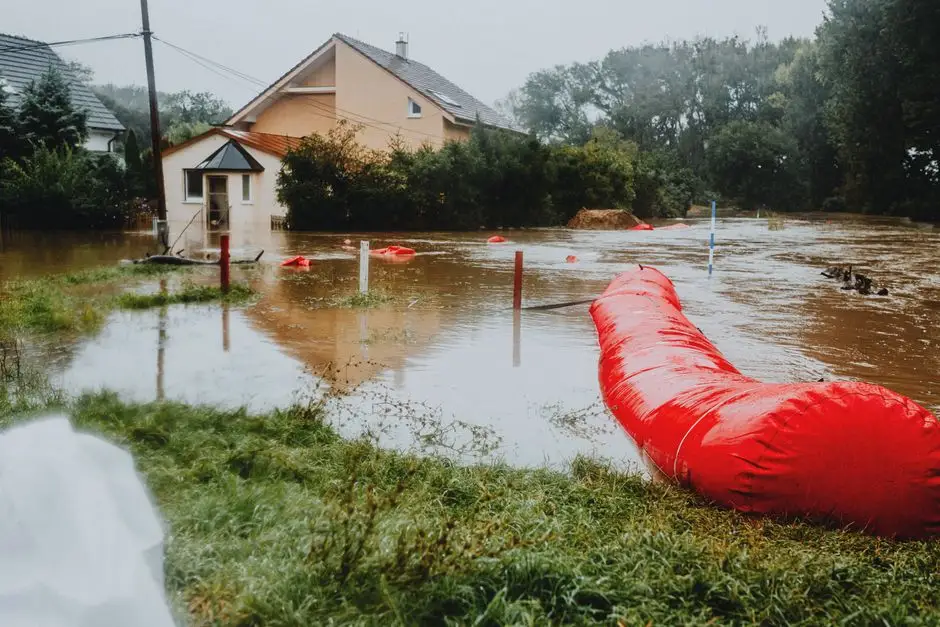
Flooded residential area protected by red flood barriers, showing severe weather impact.
Licensed Licensed & Bonded
Fully Insured Insured & Bonded
24/7 Emergency Same-Day Response
Warranty Backed Workmanship Guaranteed

What's Included in Basement Cleanup

Basement water removal covers assessment, water extraction, and drying setup for areas affected by a leak or flood. We identify visible wet materials and explain the steps needed to clean and dry them. Structural repairs, plumbing work, and replacement of damaged finishes are separate tasks; we point out where those trades or follow-on work are needed.

Initial Water Assessment

We inspect the affected rooms, check for visible sources, and note water depth and material types. You can tell us what happened and when you first noticed it. This gives our crew a working picture of the job before extraction and helps identify concerns such as sewage or electrical hazards.
Standing Water Extraction

We remove water using equipment suited to its depth and the floor surface. A pump handles deeper water; extraction equipment collects what remains across accessible floors. We also remove accessible water from affected carpet where appropriate, then check floor edges and nearby materials.

Affected Material Checks

Our crew checks surfaces such as drywall, insulation, baseboards, carpet padding, and subflooring for moisture or visible damage. We explain what can be dried and what needs additional cleaning or removal. If moisture appears to extend behind a finished surface, we discuss the next practical step.

Drying Equipment Setup

We place air movers and dehumidification equipment to support drying in the areas we identified. Placement depends on room shape, material type, and moisture readings. We explain what the equipment is doing, how to keep access clear, and when we will recheck the affected area.

Progress Moisture Checks

We return to measure damp materials and determine whether drying equipment needs adjustment. Changes in readings help show where moisture remains and when a section is ready for repairs. You receive a clear update on the affected areas and any remaining cleanup or restoration work.

Basement Water Removal in Illinois: What It Covers


Basement water removal in Illinois is a water damage service that extracts unwanted water from below-grade spaces and begins drying affected materials after a leak, flood, or backup. We first identify the source and assess water depth, affected rooms, and safety concerns. Then we remove standing water with suitable pumping or extraction equipment, move recoverable contents, and measure moisture in materials such as drywall, baseboards, and subflooring. Water removal is the first phase; complete recovery also requires controlled drying and a follow-up check.

Illinois homes face basement flooding from intense rain, frozen pipe breaks, plumbing leaks, and overloaded sump systems. Clay-heavy or compacted soil, older foundations, and changing groundwater conditions can leave water against foundation walls after a storm. Our Illinois basement water removal process adapts to the water source and affected materials; for sewage, the response also addresses contamination. If you're asking who removes basement water after heavy rain in Illinois, we inspect the affected area, extract water, and set drying equipment based on measured moisture.

Our Five-Step Basement Process

Basement water removal in Illinois starts with a site check, not a pump running blindly. We walk the affected area with you, explain the work, and separate urgent safety issues from drying tasks. You can expect clear updates as the water is removed and materials are checked.

01

Schedule

Call or book online — a real human picks up and confirms a 2-hour arrival window.

02

Diagnose

Licensed tech inspects on-site, then walks you through the cause and your options.

03

Fix

The job is completed to code and done right the first time — no shortcuts, no surprises.

04

Guarantee

Every job backed by a written workmanship warranty — and we stand behind it.

Equipment and Drying Methods

Tools & Equipment

Submersible pump

We use a submersible pump to move deeper standing water from an accessible basement area. It clears bulk water before floor extraction and drying work begins.

Portable extraction machine

This equipment removes water left across floors or in suitable carpeted areas after bulk pumping. We select it based on access, water volume, and the affected surface.

Moisture meter

We check damp materials with a moisture meter to identify areas that need continued drying. Repeat readings help us assess progress instead of relying on touch or appearance.

LGR dehumidifier

An LGR dehumidifier pulls moisture from the air during structural drying. We pair it with air movement and adjust placement according to the room and the materials affected.

HEPA air scrubber

When site conditions call for air filtration, we use a HEPA air scrubber to capture airborne particles in the work area. Its use depends on the materials being handled and the cleanup conditions.

Methods & Standards

Source and water-category assessment

We first determine whether the water appears to come from a clean supply line, stormwater, or a drain backup. The source affects protective measures, cleaning, and which belongings can be handled normally. We also check for ongoing inflow and hazards before moving equipment into the affected space.

Targeted structural drying

We arrange air movement and dehumidification around wet materials rather than treating every basement the same way. Moisture readings guide equipment placement and follow-up checks. If the readings remain high, we adjust the setup or discuss whether a trapped area needs further access.

Controlled contaminated-water cleanup

For sewage or other contaminated water, we isolate the affected area and separate materials that should not be reused. Cleaning products are applied according to EPA-registered disinfectant label requirements. We explain handling steps and keep cleanup focused on the affected space.

Jobsite safety and containment

We maintain a clear work area, use appropriate protective measures, and follow OSHA workplace safety standards. If work in an older building disturbs painted materials, EPA Lead Renovation, Repair and Painting requirements may apply. We address these factors before work that could spread dust or debris.

When Basement Water Removal Helps

01

After November rain saturates the ground and water pushes through a foundation seam overnight.

What we do: We check the entry area, remove standing water, and inspect floor and wall edges for trapped moisture. Our crew places drying equipment where readings show it is needed, then returns to check progress. We also explain what exterior drainage or foundation work may be necessary to reduce repeat entry.

→ You get a cleared floor, a documented drying plan, and a clearer view of which materials need repair after the water intrusion.

02

A frozen pipe bursts during a cold night and water reaches the basement ceiling and floor.

What we do: We identify accessible water, extract it from the floor, and assess the affected ceiling, walls, and stored items. After the pipe is repaired, we check nearby materials for moisture and establish drying. If a section of drywall needs opening, we explain the reason before that work proceeds.

→ The leak is no longer feeding water into the basement, and drying targets the materials affected rather than the entire room.

03

A sump pump stops during a spring downpour while you are away from home.

What we do: We assess depth and any active inflow, then remove bulk water with pumping equipment. The team checks the utility area and nearby belongings for damage, follows with floor extraction, and sets drying equipment based on the materials present. You can arrange pump repair as the cleanup moves forward.

→ Water is removed, vulnerable areas are checked, and you have a practical list of remaining drying and repair steps.

04

A washing machine hose leaks into a finished basement laundry room and beneath adjacent flooring.

What we do: We remove water from the laundry area and check how far it traveled under nearby flooring or into baseboards. Our crew uses moisture readings to guide drying and flags materials that may need removal. You can have the hose or appliance repaired while the cleanup addresses the water damage.

→ The leak source is identified for repair, and the affected floor and wall edges are included in a measured drying plan.

How Basement Water Removal Works Across Illinois

Basement water removal in Illinois has to account for both winter pipe failures and heavy rain, along with the building in front of us. In November, saturated ground and seasonal storms can push water toward foundations; freezing conditions later in winter raise the risk of a burst or frozen pipe. Older homes may have stone or masonry foundations, while newer subdivisions can still see sump pump failure when inflow outpaces drainage. We assess the water source, access, and construction before choosing extraction and drying equipment. In denser suburbs, narrow stairways and finished lower levels affect how we move equipment and protect adjoining rooms. River communities such as Alton and Rock Island can face different site conditions from central Illinois towns like Peoria or Pekin, so we check the actual property rather than assume a standard setup. If you need basement flood cleanup and drying service in Illinois, we measure affected materials and explain the work in clear stages. Local building rules and permit needs vary by municipality, especially for plumbing or structural repairs; we focus on cleanup and identify when those repairs need a separate permit or trade.

Neighborhoods We Serve

  • Chicago Ridge and nearby suburbs

    Finished basements and shared walls make controlled equipment placement important. We protect access routes and focus drying on the affected room and connecting floor edges.

  • Peoria and Pekin

    Stormwater and sump problems can affect below-grade rooms in river-area communities. We check the source and water depth before choosing pumping and drying equipment.

  • Alton and Granite City

    Older construction and changing groundwater conditions call for a close look at foundation walls, storage areas, and floor edges after water enters.

  • Des Plaines and Glen Ellyn

    Basement layouts range from utility-only rooms to finished living spaces. We adjust the cleanup plan to the materials, stairs, and access available at each home.

Local Conditions We Plan For

  • November rain leaves saturated ground around below-grade foundations.

    Water can seep through cracks or window wells after prolonged rain. We check for continuing entry while extracting water, then identify where exterior drainage or foundation repairs may be needed.

  • Winter freezes expose pipes in colder utility areas and exterior walls.

    A split pipe can release water when temperatures rise, wetting ceilings and hidden wall cavities. We remove accessible water and check adjacent materials after the plumbing source is repaired.

  • Older masonry basements and finished remodels need different access plans.

    Uneven floors, narrow stairs, and layered finishes change how we move equipment and inspect damp areas. We plan around the building materials and keep equipment access clear during drying.

Stormwater Across a Finished Floor

Before

Rain entered at a basement window well and left roughly 1 to 2 inches of water across a finished room. Carpet, padding, and the lower edge of drywall were wet, while boxes blocked part of the path. The homeowner could see the puddle but did not know whether water had traveled beneath the carpet.

After

We cleared the standing water, extracted accessible moisture from the carpet, and checked floor edges and lower wall materials. Drying equipment was placed around the affected room, with follow-up readings used to track progress over several days. The homeowner received a clear account of which materials needed additional work.

Maintenance: Keep window wells clear of leaves and check them after heavy rain. Test the sump system seasonally and move stored boxes onto shelves so a future leak does not hide behind belongings.

Before

A failed sump pump allowed several inches of water into a basement utility room during a storm. The floor around the water heater and stored household supplies was wet, and water had reached the base of nearby shelving. The pump needed repair, but cleanup could not wait for that work.

After

We removed bulk water with a submersible pump, extracted the remaining floor water, and checked nearby materials for moisture. The team set drying equipment around the wet area and returned to review readings. The homeowner arranged pump service while the basement dried and sorted affected belongings.

Maintenance: Have the pump and discharge route checked before the wettest seasons. Keep the area around the sump accessible, and avoid storing items directly on the floor near the pit.

Before

A plumbing leak had dampened the basement floor near a finished wall before the homeowner noticed discoloration at the baseboard. The visible water was limited, but the wall edge and flooring felt cool and damp. The leak source needed repair, and the extent of hidden moisture was unclear.

After

After the plumbing source was addressed, we extracted the accessible water and checked the affected floor and wall edge with a moisture meter. Drying was focused on the damp section, and readings were reviewed during follow-up. The homeowner had specific information for planning any needed finish repairs.

Maintenance: Check utility lines and appliance connections for drips, staining, or soft trim. Keep the wall edge visible where practical, and address a small leak before it reaches flooring or stored items.

Remove Standing Water From a Flooded Basement

Basement flooding can damage stored belongings, finished walls, and mechanical areas in a short time. We focus on the water source, affected materials, and safe access before starting cleanup. The right response depends on whether water is clean, storm-driven, or contaminated by a drain backup.

Problem

Rainwater keeps entering through a window well or foundation seam.

Water can spread under flooring, soak stored boxes, and leave dampness behind trim even after the visible puddle is gone.

Our Fix

We extract accessible water and inspect the surrounding floor and wall edges for moisture. Our crew identifies the visible entry path and explains where drying is needed. You can arrange exterior drainage or foundation repairs while we address water already inside and check whether affected materials are drying.

Problem

A sump pump fails during a storm and leaves water across the floor.

Several inches of standing water can cover utility areas and damage belongings, while continued inflow raises the amount that must be extracted.

Our Fix

We assess water depth and access, then use pumping equipment to clear bulk water. Afterward, we check nearby walls, stored items, and floor edges. We also note whether water is still entering so you can arrange pump service while the basement cleanup proceeds.

Problem

A pipe bursts behind a finished wall and wets the basement quietly.

Water may travel inside a wall or beneath flooring before it becomes visible, leaving insulation and framing damp after the floor appears dry.

Our Fix

We remove accessible water and check the visible damage around the leak. Moisture readings help show whether nearby drywall, baseboards, or flooring remain wet. Once the plumbing source is repaired, we can focus drying on affected areas and explain whether opening a finish is needed.

Problem

A floor drain backs up and leaves contaminated water in the basement.

Sewage can contaminate porous items and surfaces, making ordinary household cleaning inappropriate and increasing the need for controlled removal.

Our Fix

We isolate the affected space, remove contaminated water, and separate items that need specialized handling. Surfaces are cleaned with appropriate products used according to label directions. We explain which porous materials require removal and when the area is ready for the next restoration step.

A Clearer Route to a Dry Basement

A Clearer Route to a Dry Basement

Basement flooding spreads beyond the visible puddle: water moves under flooring, into carpet padding, and behind trim. We focus on removing water, finding wet materials, and setting a practical drying plan. You'll know what we found, which areas need attention, and what happens next.

  • Water Out Sooner

    We use a submersible pump for deeper water and extraction equipment for the remaining surface water. Removing a few inches promptly limits how long floors and stored belongings stay saturated. The time required depends on access and water volume; we explain the next step after checking the basement.

  • Hidden Wet Spots Found

    A dry-looking floor can hide moisture at the wall edge or below carpet padding. We use a moisture meter to check affected materials and map where drying is needed. That reading helps us target air movement instead of guessing or placing equipment throughout your basement.

  • Drying With a Plan

    We place air movers and dehumidification equipment according to the room layout and moisture readings. You'll see which areas are being dried and why. We recheck the materials during the job, so equipment placement can change when readings show a section is ready.

  • Source Addressed Alongside Water

    A cleared floor won't stay dry if a broken line or failed sump system is still sending water in. We identify the apparent source and coordinate the cleanup around it. If a plumbing repair is needed, we'll point out the issue so you can arrange the right repair without delay.

Training and Work Standards

Licensed & Certified

  • Water Damage Restoration Technician — issued by Institute of Inspection, Cleaning and Restoration Certification
  • Applied Structural Drying — issued by Institute of Inspection, Cleaning and Restoration Certification
  • Applied Microbial Remediation Technician — issued by Institute of Inspection, Cleaning and Restoration Certification
  • Lead Renovation, Repair and Painting requirements — issued by U.S. Environmental Protection Agency

Verified Reviews

Customer feedback Not stated

A homeowner in Peoria described water entering a finished basement after a storm. The crew extracted the water, checked the carpet and wall edges, and explained what the drying equipment was doing. Clear updates helped the homeowner plan follow-up repairs.

Customer feedback Not stated

A property manager in Alton reported a basement pipe leak affecting a storage room. The cleanup team removed the water, identified damp drywall and baseboards, and kept the manager informed while materials dried and repair planning began.

Customer feedback Not stated

After a sump pump failure in Downers Grove, a homeowner noted that the crew checked around the utility area as well as the visible floor water. Follow-up moisture readings made it easier to understand which parts of the basement were still drying.

Training Applied to Real Jobs

Our crew approaches basement water removal as a sequence: identify the water category, remove it safely, dry affected materials, and document the condition. We work to IICRC principles and use training such as Water Damage Restoration Technician and Applied Structural Drying where held by the assigned technicians. Sewage or suspected microbial growth calls for added containment and handling controls. We do not guess at moisture hidden behind a finished wall; we check accessible surfaces and explain when further opening or repair is needed.

  • Our technicians use moisture readings to guide equipment placement and check whether materials are drying between visits.
  • For contaminated water, we separate affected contents and follow product-label directions for antimicrobial treatment.
  • We identify visible signs of sump pump failure, burst pipes, plumbing leaks, and stormwater intrusion during assessment.
  • Our crew uses containment practices when work could spread dust or contaminants into unaffected living areas.
  • We explain which cleanup steps address extraction, drying, and cleaning so you can plan the restoration work that follows.
Get Started Today
Training Applied to Real Jobs

Cities We Serve Across Illinois

We provide basement water removal across Illinois, adjusting the response to each home's water source, construction, and access. Our service area includes river communities, central Illinois towns, and suburbs with finished lower levels. From Peoria and Rock Island to Des Plaines and Glen Ellyn, our crew assesses the affected materials before setting up extraction and drying. For Illinois basement water removal, call with your city and a short description of what happened so we can discuss the next step.

Peoria

Our Peoria crew assesses stormwater, sump failures, and pipe leaks, then removes water and checks basement materials for moisture before setting drying equipment.

Alton

In Alton, we check foundation edges and older basement materials after water intrusion, then tailor extraction and drying to the affected rooms.

Des Plaines

Des Plaines homeowners can call us for basement flooding after rain or a plumbing failure. We assess water depth and access before choosing equipment.

Downers Grove

Our Downers Grove cleanup covers sump pump failures, burst pipes, and finished basement leaks, with moisture checks around flooring and baseboards.

Bartlett

In Bartlett, we remove water from utility and finished basements, identify affected materials, and plan drying around the home's layout.

Rock Island

Rock Island properties receive a source and water-depth assessment first. We then extract water and check floor and wall edges for lingering moisture.

Pekin

For Pekin basement flooding, our crew handles water from sump problems, storms, or plumbing leaks and checks nearby stored items and finishes.

Glen Ellyn

We serve Glen Ellyn homes with extraction and drying for wet finished rooms, checking carpet edges, baseboards, and accessible wall surfaces.

Granite City

Granite City basement cleanup begins with identifying the water source and affected materials. We remove standing water and set drying based on the property.

South Elgin

In South Elgin, we respond to basement water from storms, appliance leaks, and failed pumps, measuring damp materials as cleanup progresses.

Roselle

Roselle homeowners can get help with water across utility or finished basement floors. We extract it and check whether moisture reached nearby walls.

Park Forest

Our Park Forest service addresses basement water intrusion by removing accessible water, identifying wet materials, and setting a practical drying plan.

Lake Zurich

In Lake Zurich, we assess water depth and entry points after storms or plumbing issues, then focus extraction and drying on affected areas.

Alsip

Alsip basement water jobs start with a safety and source check. We pump or extract water, then inspect floor edges and lower wall materials.

Cary

Cary homeowners can call for basement cleanup after a sump failure, pipe break, or stormwater intrusion. We measure moisture and explain next steps.

Basement Water Removal Questions

Real answers to the questions we hear most often from local homeowners and property managers.

How quickly should basement water be removed?
Remove basement floodwater as soon as it is safe, ideally within 24 hours of discovery. Water keeps soaking into flooring, drywall, and stored items while it sits, and contaminated water creates added health concerns. If the source is active, electrical equipment is exposed, or sewage is present, keep clear and contact a cleanup crew. We extract the water, check affected materials, and begin drying with equipment selected for the room.
Can I remove basement floodwater safely myself?
You can handle a small amount of clean water only when the power is safely isolated and no sewage or chemical contamination is involved. Never enter standing water near energized outlets, appliances, or a submerged electrical panel. A wet/dry vacuum is not suitable for deep flooding, and it cannot check hidden moisture. We use pumps and extraction equipment for larger volumes, then measure materials that may look dry at the surface.
What does basement water extraction cost in Illinois?
Many straightforward basement water extraction jobs cost about $500 to $2,500 in 2026, while extensive or contaminated losses can exceed $5,000. Price depends on water depth, affected square footage, material removal, contamination, and how many drying visits the job needs. We explain the price before work begins. A small clean-water leak on concrete is usually less involved than sewage across finished rooms.
Who provides emergency basement water removal in Illinois?
Midwest Water Damage Pros provides emergency basement water removal in Illinois for flooding, sump pump failure, pipe breaks, and other water intrusions. Call 8337200038 and tell us whether the water is rising, how deep it is, and whether it may contain sewage. We use those details to prepare for assessment and extraction. Keep people away from electrical hazards and do not run a pump in unsafe conditions.

Related Cleanup Services

Emergency Water Extraction

When water is actively spreading through your basement, emergency water extraction focuses on removing it before it reaches more rooms or materials. We assess the water source and depth, then select pumping or extraction equipment. Drying and moisture checks follow where materials remain damp.

View Emergency Water Extraction

Water Damage Restoration

Water removal is the first stage when a basement leak affects walls, flooring, or stored belongings. Water damage restoration continues with drying, cleaning, and coordination of needed repairs. We check moisture conditions so you can see which materials are ready for restoration work.

View Water Damage Restoration

Flood Cleanup and Water Removal

Floodwater can carry sediment and debris into below-grade rooms, leaving more than a puddle behind. Flood cleanup and water removal address extraction and affected surfaces. We assess the water, separate items requiring special handling, and set drying steps suited to the basement.

View Flood Cleanup and Water Removal

Sump Pump Failure Cleanup

A failed sump pump can leave several inches of water across a basement floor, especially during heavy rain. We remove the water and check nearby walls, stored items, and floor edges for moisture. You can arrange pump repair or replacement while cleanup and drying move forward.

View Sump Pump Failure Cleanup

Sewage Backup Cleanup and Extraction

Sewage backup needs controlled extraction and cleaning because contaminated water can affect floors, belongings, and porous materials. We isolate the work area, remove affected water and debris, and clean surfaces using suitable products. Materials that cannot be safely cleaned are identified for removal.

View Sewage Backup Cleanup and Extraction

Burst Pipe and Plumbing Leak Cleanup

A burst pipe or plumbing leak can wet basement ceilings, walls, and floors before the source is obvious. We extract water and locate the visible extent of the damage, then check nearby materials for trapped moisture. Plumbing repair stops the source; cleanup addresses the water left behind.

View Burst Pipe and Plumbing Leak Cleanup

Call for Basement Water Removal in Illinois

Water on your basement floor needs a clear response, especially if it is still entering or has reached electrical equipment. Our trained crew assesses the source, extracts water, and checks affected materials. Call 8337200038 now to get cleanup underway.

Call Our Team Start Cleanup

Contact our team

Call Midwest Water Damage Pros at 8337200038 for help finding an independent water cleanup company serving your Illinois location. Our referral line accepts calls 24/7, including frozen-pipe emergencies overnight and water entering after a storm. Tell us what happened, where the water is, and whether anyone faces an immediate safety risk so we can route your call.

Midwest Water Damage Pros


  • Phone

    8337200038
  • Address

    Illinois

  • Hours

    Mon–Fri: 7AM – 7PM
    Sat: 8AM – 4PM
    Sun: Emergency Only
    24/7 Emergency Available

Call 8337200038 Get Quote
Call Quote