


Residential Water Extraction for Chicago Homes
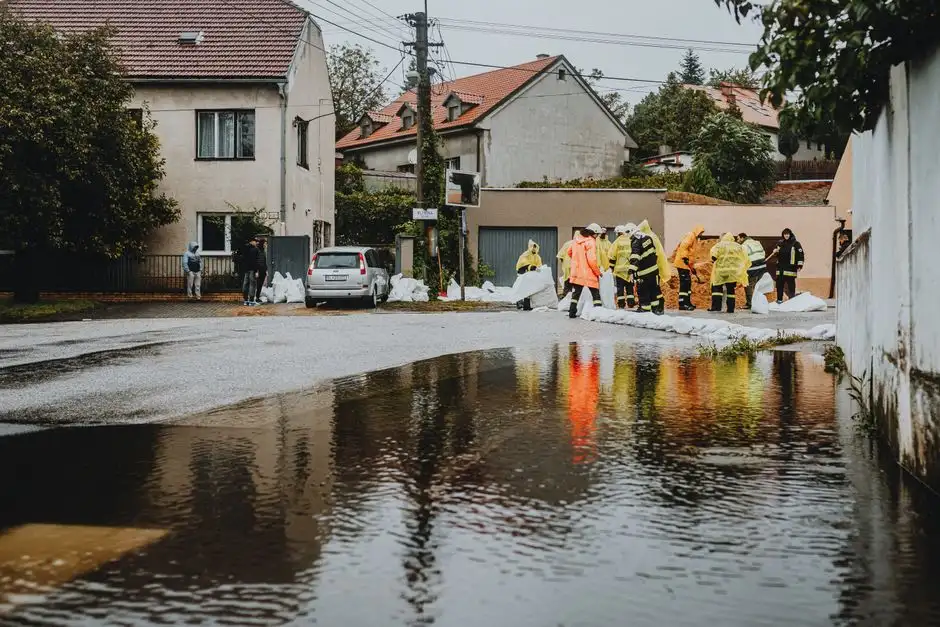
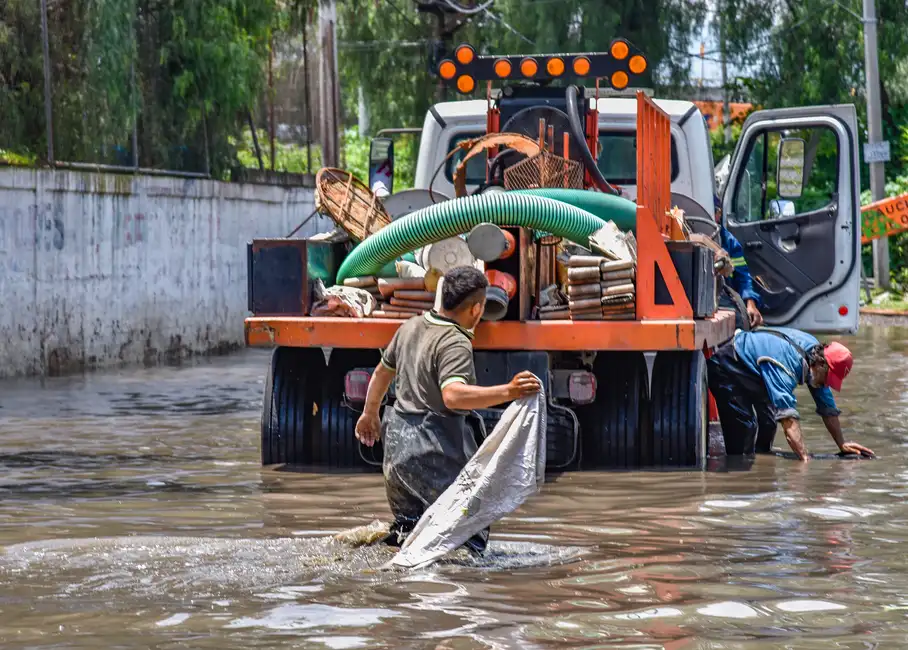
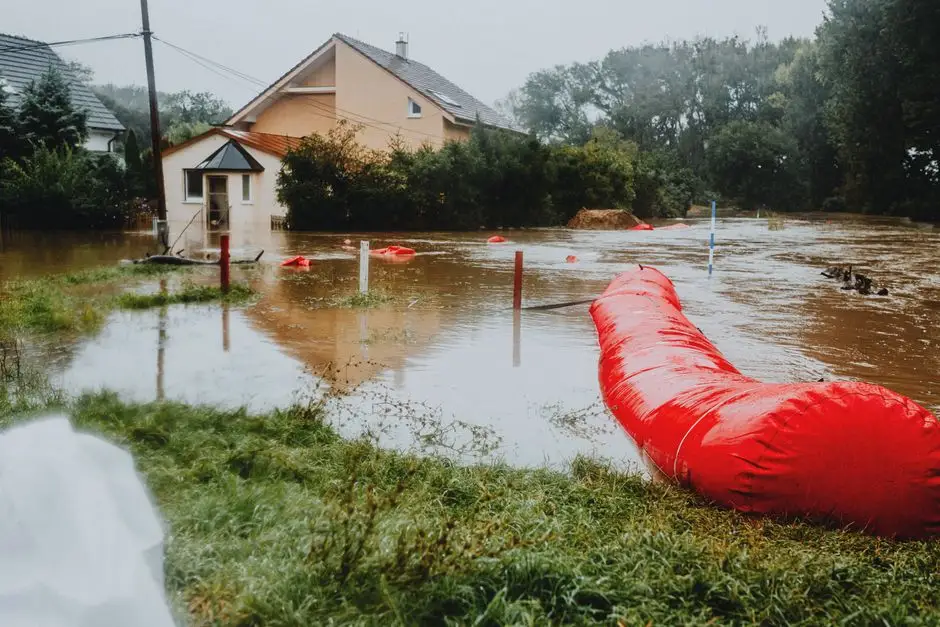
Residential water losses in Chicago range from a refrigerator line leaking under cabinets to a basement filling after a sump pump failure. Your building may be an older masonry home with a below-grade room, a condo in a high-rise, or a multi-unit property where a leak affects neighbors. We remove standing water, check flooring and lower wall edges, and explain what needs drying or removal. Chicago water damage cleanup should account for the rooms you use every day: bedrooms, kitchens, and shared halls need a workable equipment plan. We communicate what to move, where equipment will sit, and which areas need a follow-up moisture check so your household can plan around the work.
- Basement flooding and sump cleanup — When a Chicago basement takes on water, we assess depth, source, and electrical safety before pumping or extracting. We check carpet padding, stored items, and lower wall edges, then explain what can be dried and what needs removal. This is especially useful when water enters during heavy rain or a sump pump stops.
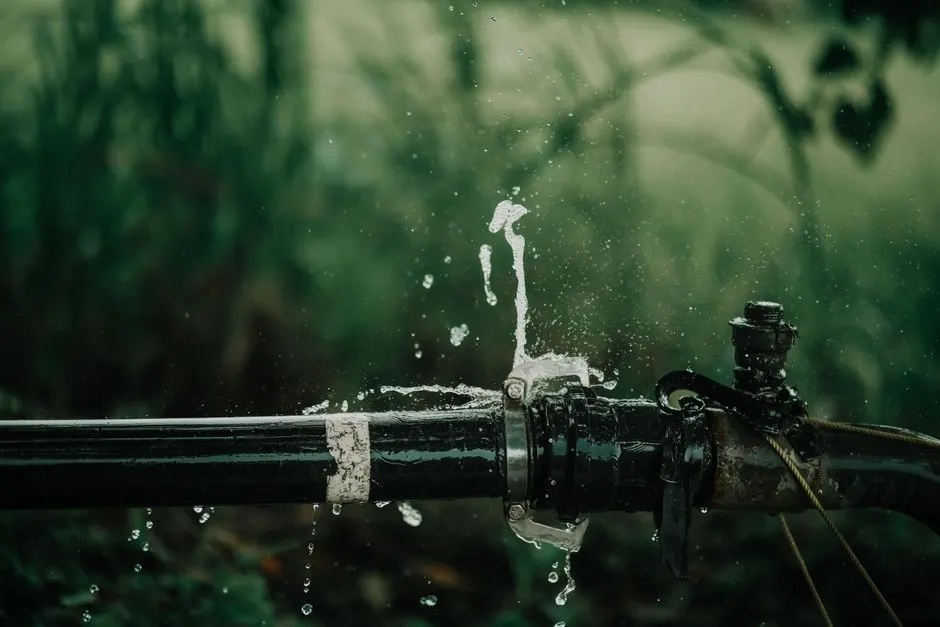
- Burst pipe and leak extraction — A pipe leak can wet more than the room where it becomes visible. In Chicago homes, we inspect nearby ceilings, wall surfaces, and floors, remove accessible water, and record moisture readings. Once the plumbing source is controlled, we set a drying plan that follows the water path rather than the stain alone.
- Appliance leak cleanup — Dishwashers, laundry equipment, and refrigerator lines can leak under cabinets or across finished floors. We extract accessible water, check edges and adjoining rooms, and assess whether moisture reached the subfloor. In a Chicago apartment, we also consider whether water crossed into the unit below.
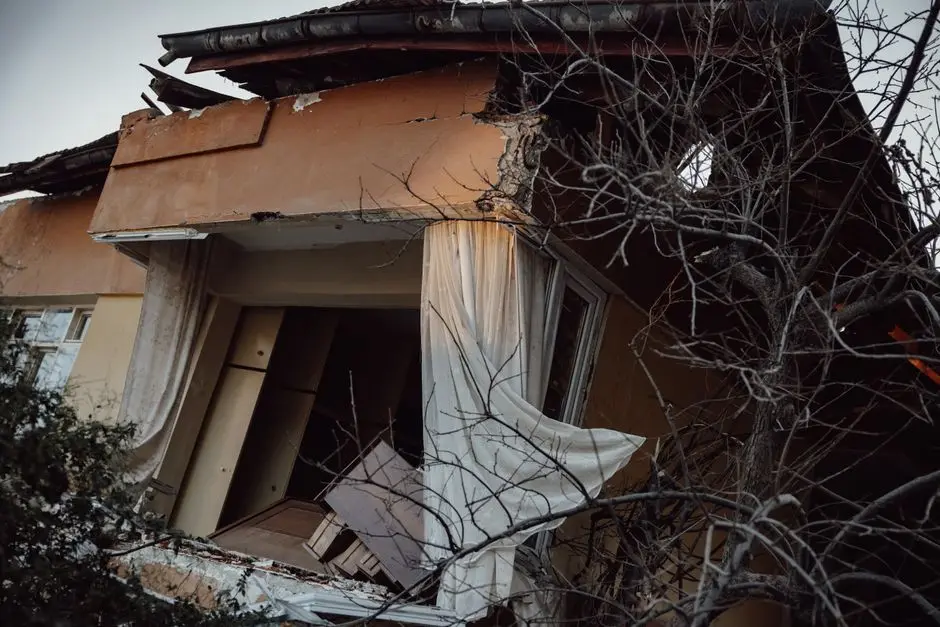
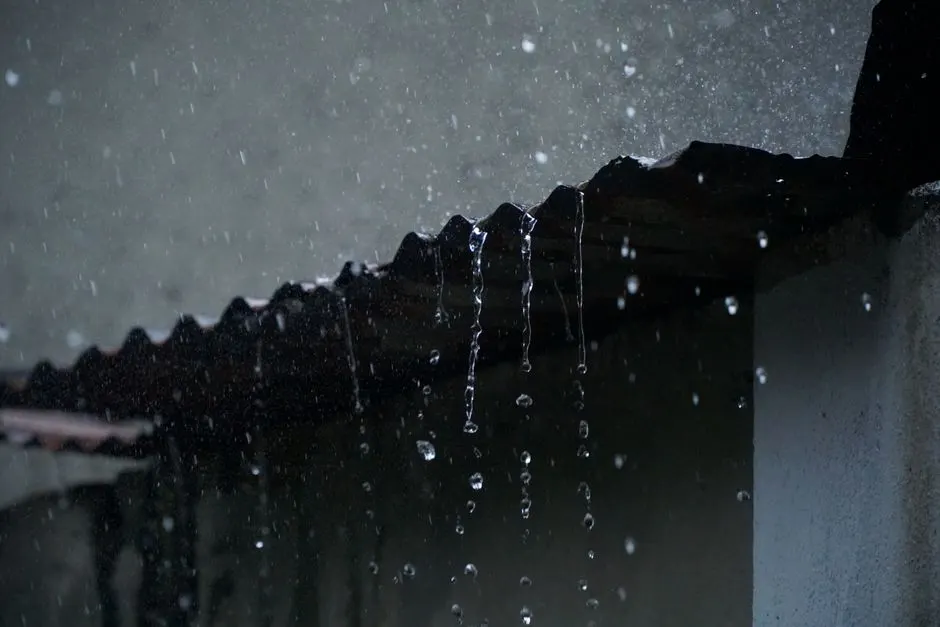
- Storm and roof leak response — Wind-driven rain or a roof leak can wet ceilings, insulation, and upper-floor finishes. We remove water from affected rooms and inspect beyond the visible drip for moisture movement. Chicago homeowners receive a clear explanation of what drying equipment is needed after the opening is protected.