Logo
Get Estimate

Sewage backup cleanup and extraction in Illinois

We remove sewage, sanitize affected rooms, and restore safety


Sewage backup cleanup and extraction in Illinois gets contaminated water out of homes and businesses before it spreads into walls, flooring, and stored belongings. If a drain, toilet, or sewer line has overflowed, our team isolates the affected area, removes sewage, and cleans salvageable surfaces. We provide sewage backup removal service in Illinois for homeowners and property managers facing an urgent, unsanitary mess.

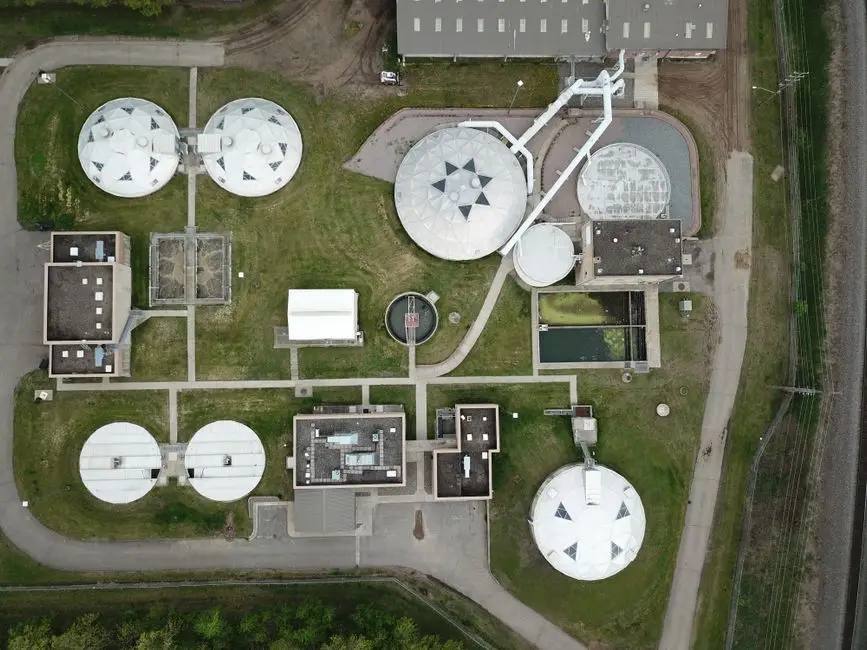
Aerial view of a structured water treatment plant showcasing various components.
Licensed Licensed & Bonded
Fully Insured Insured & Bonded
24/7 Emergency Same-Day Response
Warranty Backed Workmanship Guaranteed

What's included in sewage cleanup

Our service covers the immediate work needed to control contamination and reduce moisture in affected areas: site assessment, water removal, cleaning of suitable surfaces, and drying checks. We identify porous materials that require removal and explain how they affect the work. Plumbing repairs, replacement flooring, and reconstruction are separate follow-on work, so you can see where cleanup ends and rebuilding begins.

Affected-area assessment

We identify the likely source, trace visible water spread, and inspect nearby floors and wall edges. You learn which rooms are within the affected boundary and where access should be restricted. If the backup is still active, we help you identify the plumbing use that needs to stop.

Standing-water removal

We extract sewage and contaminated water using equipment suited to the depth and floor conditions. The crew checks low points and accessible transitions where liquid can collect after the main pool is gone. This step reduces the amount of contaminated water left to migrate into building materials.

Cleaning and disinfection

We remove visible soil before cleaning and disinfecting suitable surfaces. Product use follows label directions, including required application and contact time. Porous materials that have absorbed sewage are assessed separately because wiping the surface cannot reliably clean contamination trapped inside.

Moisture checks and drying

We measure affected materials and compare readings with dry areas, then place air movers and dehumidification where needed. Follow-up checks show whether materials are drying or whether further access is necessary. Drying duration varies with water volume, temperature, airflow, and material type.

Sewage backup cleanup and extraction in Illinois


Sewage backup cleanup and extraction in Illinois is a specialized restoration service that removes contaminated water and cleans affected building materials after a sewer or drain overflow. We first identify the source and affected boundary, then use extraction equipment to remove standing water and sewage residue. Porous materials such as carpet padding and waterlogged insulation often require removal; hard surfaces are cleaned and treated with an antimicrobial disinfectant according to its EPA-registered disinfectant label requirements. We check adjoining rooms for hidden moisture before setting drying equipment.

Illinois homes face backups after heavy rain, frozen pipe events, sump pump failure, or a blockage in a building drain. Older basements and finished lower levels can conceal moisture behind drywall and baseboards even after the visible water is gone. If you are asking, "how soon should sewage backup cleanup begin?" the practical answer is immediately: keep people and pets out, stop using affected plumbing, and call for professional help. Our Illinois sewage backup cleanup and extraction plan addresses contamination as well as water.

What to expect during cleanup

Sewage backup cleanup and extraction in Illinois follows a controlled sequence: protect people, remove contamination, clean, then verify drying. We explain each step before work begins and keep you informed as the affected area changes. The first visit focuses on stabilizing the property and setting the right scope for the materials involved.

01

Schedule

Call or book online — a real human picks up and confirms a 2-hour arrival window.

02

Diagnose

Licensed tech inspects on-site, then walks you through the cause and your options.

03

Fix

The job is completed to code and done right the first time — no shortcuts, no surprises.

04

Guarantee

Every job backed by a written workmanship warranty — and we stand behind it.

Equipment and cleanup methods

Tools & Equipment

Truck-mounted water extraction unit

We use high-capacity extraction when access and the volume of water make it appropriate. It removes substantial liquid quickly, helping reduce the time contaminated water remains on floors.

Submersible pump

A submersible pump removes deeper standing water from basement floors and low points. We monitor the water level and finish with more controlled extraction where a pump cannot reach.

Moisture meter

The meter checks moisture in accessible building materials and helps distinguish damp surfaces from dry reference areas. We use readings to guide equipment placement and follow-up.

HEPA air scrubber

When work conditions call for airborne particle control, a HEPA air scrubber filters air in the contained work area. Placement depends on the room layout and the tasks underway.

LGR dehumidifier

An LGR dehumidifier removes moisture from room air during structural drying. We pair it with suitable air movement and adjust the setup as material readings change.

Methods & Standards

Contamination boundary control

We define where sewage has reached and separate that area from clean access. Polyethylene containment sheeting is used when the layout or removal work calls for a physical barrier. The crew keeps tools and foot traffic organized around the boundary, reducing the chance of tracking residue into other rooms.

Source-first extraction

We identify whether the spill came from a sewer line, floor drain, toilet, or mixed stormwater event before choosing equipment. Standing water is removed first, followed by controlled cleaning of remaining surfaces. If the plumbing source remains active, we coordinate the cleanup sequence around stopping further inflow.

Label-directed disinfection

We remove visible contamination before applying an antimicrobial disinfectant to suitable surfaces. Application method, dilution, and contact time follow the product label and surface compatibility. Porous materials are assessed separately; disinfectant applied to the outside cannot replace removal when contamination has soaked through.

Measured structural drying

We position air movers and dehumidification to move moisture out of affected materials without treating every room identically. Readings from a moisture meter inform equipment adjustments and drying checks. If readings stay elevated, we inspect accessible edges and cavities before concluding that the structure is ready for repairs.

When to call for sewage cleanup

01

A basement drain pushes dark water onto the floor after a storm or sudden drainage surge.

What we do: Keep people and pets out, stop using connected plumbing, and call us. We identify the contaminated area, remove standing liquid with the right pump or extraction equipment, and inspect the nearby flooring and lower walls. If stormwater and sewage have mixed, we separate the affected zones and use the appropriate cleaning method for each.

→ The water is removed, affected surfaces are addressed, and you receive a clear picture of what needs drying or material removal.

02

A toilet or laundry drain overflows and sends sewage into an adjoining room.

What we do: We contain the route between rooms, extract liquid, and assess porous flooring and baseboards. The crew cleans suitable hard surfaces with disinfectant used according to label directions, then checks for moisture below the visible spill. You can keep occupants away from the work zone while we handle the contaminated materials.

→ The affected rooms move from an uncontrolled spill to a defined cleanup and drying plan, with clean access preserved where possible.

03

A sewer line backs up in a shared building utility room or common basement corridor.

What we do: We establish a work boundary that accounts for residents and building access, then extract contaminated water and identify materials requiring removal. Our crew documents affected surfaces and communicates the route residents should avoid. Shared spaces need careful containment so foot traffic does not carry residue into otherwise clean areas.

→ The contaminated route is controlled and cleaned, and the property manager has documented information for repair and resident coordination.

04

Frozen plumbing or a failed pump leaves sewage-contaminated water standing overnight.

What we do: We assess the source and depth, remove pooling, and inspect for waterlogged insulation, drywall, and subflooring. During cold weather, closed rooms and low airflow can slow drying, so we position equipment based on readings. We also identify any active plumbing issue that requires a plumber to stop the backup.

→ Water removal and drying begin in a controlled sequence, limiting unnecessary disturbance while identifying materials that cannot be restored.

How sewage cleanup works across Illinois

Sewage backup cleanup and extraction in Illinois has to account for both climate and building conditions. As November moves into winter, frozen pipes and thaw cycles can stress plumbing; spring rain and summer storms can overload drains and sump systems. Older basements often have finished walls, storage, or flooring that hides water travel, while newer lower levels may have large open areas that require careful separation of clean and contaminated routes. We inspect the source, water depth, and construction before selecting equipment. Illinois sewage backup cleanup and extraction includes controlled removal, cleaning, and moisture checks, not simply pumping out a visible pool. If you are asking who removes sewage after a home sewer backup in Illinois, our team handles the contaminated cleanup and identifies plumbing repairs that need a plumber. We follow applicable safety practices and product-label requirements, while local plumbing and building requirements can vary by municipality and project.

Neighborhoods We Serve

  • Springfield residential areas

    Basement floor drains and utility spaces need prompt inspection after a backup. We check whether water has reached stored items, lower drywall, or adjoining finished rooms.

  • Schaumburg subdivisions

    Finished lower levels can hide moisture beneath carpet and along baseboards. We check the visible spill boundary against adjoining rooms before setting drying equipment.

  • Oak Lawn homes

    A drain overflow can move from a basement utility area into storage or living space. We protect clean access routes while removing contaminated water.

  • Urbana properties

    For homes and shared buildings, we assess the affected floor plan and keep residents away from contaminated corridors while cleanup proceeds.

Local Conditions We Plan For

  • Winter freeze-thaw cycles stress plumbing and basement drains

    A frozen or stressed line can fail suddenly, while thawing brings additional water into an already affected area. We check whether the backup is still active before extraction and consider lower indoor temperatures when positioning drying equipment.

  • Heavy storms increase pressure on drains and sump systems

    A storm can coincide with a sewer backup, sump pump failure, or stormwater intrusion. We identify whether water sources are mixed so contaminated wastewater is not handled like ordinary rainwater.

  • Finished basements conceal water behind materials

    Carpet padding, baseboards, and lower drywall can hold contamination out of sight. We inspect material edges and use moisture readings to determine whether surface cleaning is enough or controlled removal is required.

Basement drain overflow

Before

A floor drain backed up into a finished basement, leaving about 1 to 2 inches of water across a 300-square-foot room. Carpet, stored cartons, and lower wall edges were wet, and the visible water line did not show how far moisture had traveled.

After

The crew extracted standing water, removed contaminated carpet padding, and cleaned suitable hard surfaces. Moisture checks identified damp lower wall areas that needed additional attention. The room was left with a defined drying setup and a documented list of materials requiring follow-up.

Maintenance: Keep floor drains clear and avoid storing important items directly on basement floors. Test the sump system according to its instructions, and call a plumber if drains gurgle or back up repeatedly.

Before

A toilet overflow spread across a 70-square-foot bathroom and reached the hallway threshold. Water entered the edges of the flooring and wet the baseboard, while household towels removed only the liquid visible on top.

After

We isolated the bathroom and hallway edge, extracted remaining water, and assessed the baseboard and floor joints. Hard surfaces were cleaned and disinfected according to product directions. Follow-up readings showed which edges still needed drying before repairs could begin.

Maintenance: Do not flush wipes or other materials that can obstruct plumbing. If a toilet drains slowly or bubbles while another fixture runs, stop using connected fixtures and arrange a plumbing inspection.

Before

After a heavy storm, sewage-contaminated water pooled around a basement utility area and reached stored items. A sump pump was running, but standing water remained at low points and the source of the overflow was unclear.

After

The team separated contaminated water from the surrounding area, pumped out the deeper pool, and checked nearby wall and floor materials. Unsalvageable porous items were identified for removal, and the remaining surfaces were cleaned. Drying equipment was placed according to moisture readings.

Maintenance: Keep the sump pit accessible and have drainage concerns assessed before the next storm season. Move stored belongings onto shelving and seek plumbing help when multiple drains show signs of a shared blockage.

Problems solved by prompt sewage cleanup

A backup can leave more than an unpleasant smell: contaminated water can move under flooring, soak drywall, and reach stored belongings. Our cleanup starts with the source and the affected boundary, then works through removal, cleaning, and drying. You get a practical response to the conditions in your building rather than a surface-only fix.

Problem

Sewage spreading from a basement floor drain into finished rooms

Contaminated water can travel beneath flooring and into carpet padding, making the visible wet area smaller than the actual affected zone.

Our Fix

We stop traffic through the affected area, map the water spread, and extract standing sewage. Our crew checks floor edges and connected rooms, removes porous materials that absorbed contamination, and cleans remaining surfaces. Moisture readings guide drying so you know whether the finished area is ready for the next repair stage.

Problem

Toilet overflow soaking bathroom flooring and nearby drywall

Water can enter joints around fixtures and baseboards, leaving concealed moisture after the surface has been wiped clean.

Our Fix

We isolate the bathroom and adjoining wet area, remove contaminated water, and assess flooring, baseboards, and lower drywall. Suitable hard surfaces are cleaned and disinfected according to product directions. We check the material edges for moisture and explain what can remain and what needs removal.

Problem

Sewer backup during storms overwhelming a sump pump

Heavy inflow can leave standing water in a basement, contaminate stored items, and wet insulation or wall cavities before the source is controlled.

Our Fix

We determine whether the water is sewage, stormwater, or a mixture before selecting the cleanup method. Pumps remove deeper pooling, and the crew separates contaminated contents from salvageable items. We then inspect affected building materials and set a drying plan based on measured moisture.

Problem

Persistent odor after visible sewage water is gone

Odor can linger when residue or moisture remains in porous materials, floor gaps, or concealed areas that were never cleaned.

Our Fix

We trace the affected boundary instead of masking the smell. That includes checking floor seams, baseboards, and accessible cavities, then removing contaminated porous material where needed. After source material is addressed, we clean suitable surfaces and use moisture readings to confirm whether drying is progressing.

Safer, drier rooms after a backup

Safer, drier rooms after a backup

Sewage is not ordinary floodwater, and a quick mop does not reach contaminated material below the surface. We focus on removing the source water, controlling the work area, and documenting what needs drying or removal. You get a clear sequence of work, practical updates, and a cleaner path toward returning the affected space to use.

  • Contamination contained early

    We separate the affected zone from clean areas with polyethylene containment sheeting when the layout and work require it. That keeps foot traffic and airborne debris from moving through your home during removal. Our crew also identifies the likely contamination boundary, so the cleanup does not stop at the visible edge of the spill.

  • Less water left behind

    A submersible pump handles deeper standing water, while a portable extraction machine pulls remaining liquid from accessible floor surfaces. We check corners, floor joints, and transitions rather than judging by appearance alone. Removing water promptly reduces the amount that can wick into drywall, baseboards, and subflooring.

  • Sanitizing matched to surfaces

    Our sewage water extraction and sanitizing work uses cleaning products according to label directions and the materials involved. We clean hard, nonporous surfaces after gross contamination is removed and identify porous items that cannot be safely restored. That distinction helps you make sensible decisions about flooring, furnishings, and affected contents.

  • Drying guided by readings

    We use a moisture meter to compare affected building materials with dry reference areas, then place air movers and dehumidification where readings show moisture remains. You receive a practical explanation of what is wet and what needs attention. Drying progress is based on measurements, not a guess or a fixed calendar.

Training and safe work practices

Licensed & Certified

  • Water Damage Restoration Technician — issued by Institute of Inspection, Cleaning and Restoration Certification
  • Applied Microbial Remediation Technician — issued by Institute of Inspection, Cleaning and Restoration Certification
  • Applied Structural Drying — issued by Institute of Inspection, Cleaning and Restoration Certification
  • Lead Renovation, Repair and Painting requirements where applicable — issued by U.S. Environmental Protection Agency

Verified Reviews

Customer feedback Not stated

A homeowner described a basement drain backup and said the crew removed standing water, explained which porous materials could not stay, and checked the wall edges. The practical sequence helped the family keep away from the contaminated area while cleanup and drying proceeded.

Customer feedback Not stated

A property manager reported a sewage spill in a shared utility space. The cleanup crew controlled the work area, maintained a clean route for residents, and documented the affected materials for follow-up repairs.

Customer feedback Not stated

A customer dealing with a toilet overflow appreciated that the team checked beyond the visible wet floor. Moisture readings and a clear explanation of drying needs made it easier to plan the next repair step.

Field knowledge for contaminated losses

Our team treats sewage as a contamination problem first and a drying problem second. We assess the water source, affected materials, and safe access before selecting extraction and cleaning methods. Technicians with relevant IICRC Water Damage Restoration Technician (WRT) and IICRC Applied Microbial Remediation Technician (AMRT) training understand how water moves through building assemblies and how to control contaminated work. We follow OSHA workplace safety standards and product-label directions, then measure moisture to guide drying. That practical approach matters in a finished basement, a shared building, or a utility room where the spill has reached more than one surface.

  • We distinguish sewage-affected porous materials from hard surfaces that can be cleaned, helping you avoid ineffective surface-only treatment.
  • Our assessment checks connected rooms, floor edges, and wall cavities for moisture that a visual inspection can miss.
  • Technicians use protective work practices and follow the cleaning product's EPA-registered disinfectant label requirements.
  • We document moisture readings during drying so equipment changes reflect actual conditions rather than assumptions.
  • For older painted surfaces, we consider EPA Lead Renovation, Repair and Painting requirements where applicable before disturbing materials.
Get Started Today
Field knowledge for contaminated losses

Cities served across Illinois

Our Illinois coverage includes communities from the central region to northern and southern service areas. We provide sewage backup removal service in Illinois for homes, rental properties, and shared buildings, adapting the cleanup to the space and materials affected. From Springfield and Urbana to Gurnee and Godfrey, our team handles extraction, contamination control, cleaning, and drying checks. Call 8337200038 to discuss the backup and your location.

Springfield

We respond to basement and bathroom backups in Springfield with controlled extraction, surface cleaning, and checks for moisture at wall and floor edges.

Schaumburg

For finished lower levels in Schaumburg, we assess carpet padding, drywall, and connected rooms before deciding what can be cleaned or needs removal.

Oak Lawn

Our Oak Lawn cleanup separates contaminated spaces from clean routes, then removes standing sewage and addresses affected hard surfaces.

Plainfield

In Plainfield, we inspect the extent of basement or bathroom backups, extract water, and use moisture readings to guide drying.

Urbana

We help Urbana property owners manage drain overflows with a clear sequence of isolation, extraction, cleaning, and material assessment.

Calumet City

Calumet City service includes controlled removal of contaminated water from lower levels and inspection of adjoining rooms for hidden moisture.

Gurnee

Our team handles Gurnee sewage spills by containing the affected area, removing standing water, and checking porous materials that absorbed contamination.

McHenry

In McHenry, we assess basement drain backups and plumbing overflows, then set up drying equipment based on measured moisture.

Lockport

Lockport cleanup starts by identifying the contamination boundary and stopping traffic through affected rooms while extraction and cleaning proceed.

Rolling Meadows

We address Rolling Meadows backups in bathrooms, utility rooms, and basements, including material checks beyond the visible water line.

Bloomingdale

Bloomingdale property owners receive a cleanup plan that accounts for water depth, affected flooring, and moisture beneath lower wall materials.

South Holland

Our South Holland service removes sewage water, cleans suitable surfaces, and checks adjacent basement areas for spread or retained moisture.

Evergreen Park

For Evergreen Park homes, we control access to the spill area and assess flooring, baseboards, and nearby rooms before drying.

Ottawa

We help Ottawa residents manage sewer or drain overflows with water removal, contamination control, and practical guidance on affected materials.

Godfrey

Godfrey cleanup focuses on extracting standing sewage, cleaning suitable surfaces, and documenting moisture conditions for the next repair stage.

Sewage cleanup questions, answered

Real answers to the questions we hear most often from local homeowners and property managers.

Is sewage backup water safe to clean up without professionals?
No; sewage backup water should be treated as contaminated, and occupants should avoid direct contact. Keep children and pets out, do not use a household vacuum, and avoid running fans that could spread droplets or debris. We isolate the affected area, remove the sewage, and clean suitable surfaces using product-label directions. Porous materials that absorbed contaminated water may need removal. Call 8337200038 for help assessing the affected space.
What does sewage backup removal include in Illinois?
Sewage backup removal in Illinois includes isolating the contaminated area, extracting standing water, removing unsalvageable porous materials, cleaning and disinfecting suitable surfaces, and checking moisture during drying. The exact work depends on the spill source, water depth, and which rooms were affected. We explain the sequence and provide upfront pricing before work begins. Repairs to plumbing or rebuilding removed drywall are separate trade tasks that can follow cleanup.
How quickly should sewage cleanup begin?
Begin isolation immediately and arrange professional cleanup as soon as possible, ideally within the first 24 hours. Every delay gives contaminated water more time to spread into carpet padding, drywall, and stored items. Stop using affected drains, keep people out, and do not touch standing water. Our team can start emergency sewage cleanup and extraction in Illinois by first controlling the area and removing accessible water.
Does homeowners insurance cover sewage backup cleanup in Illinois?
Coverage depends on your policy, the cause of the backup, and whether you have a sewer or drain backup endorsement. Call your insurer promptly, photograph damage from a safe location, and keep records of cleanup activity and damaged materials. We can document affected areas and moisture readings for your records, but only your insurer can determine coverage. Review your policy limits and deductible for backup-related losses before an emergency occurs.

Related water damage services

Emergency Water Extraction

Emergency Water Extraction removes clean or contaminated standing water from rooms affected by a sudden loss. After a sewage backup, fast removal limits migration into nearby flooring and wall assemblies. We select pumps or extraction equipment based on water depth, access, and the materials beneath the surface.

View Emergency Water Extraction

Water Damage Restoration

Water Damage Restoration addresses the drying and repair stages after the immediate contamination has been controlled. If sewage affects drywall, baseboards, or subflooring, we identify what can be dried and what needs removal. Moisture readings help guide the transition from cleanup to restoration work.

View Water Damage Restoration

Flood Cleanup and Water Removal

Flood Cleanup and Water Removal helps when stormwater enters a basement or lower level and mixes with a sewer backup. We assess the source and contamination level before choosing a cleaning method. Separating stormwater intrusion from sewage contamination matters because the required handling and disinfection differ.

View Flood Cleanup and Water Removal

Basement Water Removal

Basement Water Removal addresses pooling caused by a sewer backup, plumbing failure, or rising water. We extract accessible water, inspect affected storage and finished materials, and check wall edges for hidden moisture. A clear water-depth assessment helps determine whether drying alone is practical.

View Basement Water Removal

Sump Pump Failure Cleanup

Sump Pump Failure Cleanup helps when a failed pump allows basement water to accumulate, sometimes alongside a sewer or drain backup. We remove the water and inspect materials that stayed wet. If the sump pit is part of the problem, we identify the issue for follow-up by a plumbing professional.

View Sump Pump Failure Cleanup

Burst Pipe and Plumbing Leak Cleanup

A burst pipe or plumbing leak can add clean water to a sewage loss or reveal a second source behind a wall. We extract the water, check nearby materials, and keep the clean-water and contaminated zones distinct. That prevents the wrong cleaning procedure from being used on sewage-affected areas.

View Burst Pipe and Plumbing Leak Cleanup

Call for sewage backup cleanup in Illinois

Sewage on the floor needs prompt containment and removal. Our team can guide you through immediate safety steps, then arrange cleanup and drying for the affected area. Call 8337200038 now for emergency help from Midwest Water Damage Pros.

Call now Call for cleanup

Contact our team

Call Midwest Water Damage Pros at 8337200038 for help finding an independent water cleanup company serving your Illinois location. Our referral line accepts calls 24/7, including frozen-pipe emergencies overnight and water entering after a storm. Tell us what happened, where the water is, and whether anyone faces an immediate safety risk so we can route your call.

Midwest Water Damage Pros


  • Phone

    8337200038
  • Address

    Illinois

  • Hours

    Mon–Fri: 7AM – 7PM
    Sat: 8AM – 4PM
    Sun: Emergency Only
    24/7 Emergency Available

Call 8337200038 Get Quote
Call Quote