
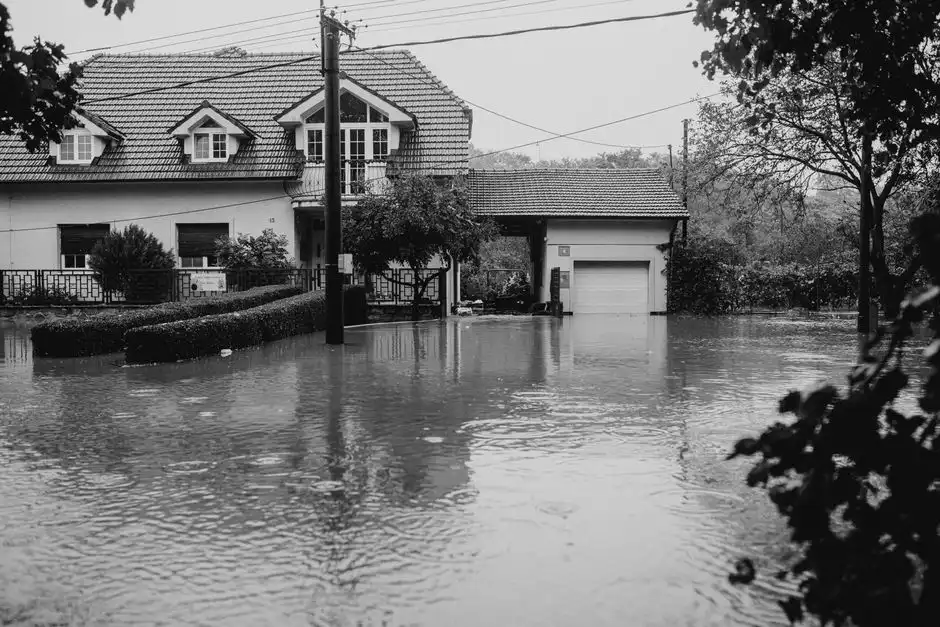
To prevent basement flooding during a Chicago spring thaw, clear snow and debris away from the foundation, direct downspouts several feet from the house, and test your sump pump before melting accelerates. Check these systems before a warm spell, because saturated ground, rain, and melting snow can push water through basement walls and floor joints faster than a pump can remove it.
Chicago spring thaw basement flooding prevention is a seasonal home-protection plan that reduces the routes water takes into a basement and keeps drainage equipment ready to move it away. Our team at Midwest Water Damage Pros helps homeowners limit damage and respond when prevention is not enough. This guide covers the local causes, practical checks, warning signs, and when to arrange water removal after snowmelt.
Why Chicago spring thaw causes basement flooding
Chicago spring thaw causes basement flooding when snowmelt and rain saturate soil around foundations faster than surface grading, drains, or sump systems can move the water away. The result is hydrostatic pressure: water in the soil presses against basement walls and finds cracks, cold joints, or utility penetrations.
Freeze-thaw cycles make the problem harder to spot. Water can freeze in a small foundation crack, widen it, and seep through once temperatures rise above 32°F. A few inches of snow melting across a large roof and yard can send substantial water toward one low corner of your home.
Older Chicago-area houses often have stone or masonry foundations, aging drain tile, and basement floor joints that have shifted over time. Even newer homes can take on water if a downspout empties beside the foundation or frozen soil prevents runoff from soaking in. Snowmelt basement water intrusion often appears first as a damp strip along the floor, a dark wall patch, or water around a utility pipe.
Our water extraction in Illinois work includes removing standing water and helping homeowners address the immediate damage. Prevention still starts outside: if water pools against the house, a pump alone is treating the symptom rather than the route that feeds it.
How to prevent basement flooding during Chicago spring thaw
Chicago homeowners can reduce spring thaw basement flooding by moving roof runoff away from the foundation, keeping drains clear, and checking for new cracks or damp spots before sustained melting begins. Start with the ground and gutters, then inspect the basement.
Walk the outside perimeter after snow has receded enough to see the soil. The ground should slope away from the house for the first 6 feet; a common grading guideline is a drop of about 6 inches over that distance. Fill settled areas with compacted soil, and keep mulch from forming a channel toward the foundation.
- Clear leaves and grit from gutters and downspout openings so meltwater does not spill beside the house.
- Extend downspouts at least 4 to 6 feet from the foundation, directing water toward a safe drainage area.
- Move snow piles away from basement window wells and foundation walls; do not pile shoveled snow beside the house.
- Remove leaves from window-well drains and confirm covers sit securely without blocking drainage.
- Check the basement for damp cardboard, salt deposits, peeling paint, or musty odors that signal recurring moisture.
If you live in a block with closely spaced homes, watch where runoff goes after it leaves your downspout. Water can travel along a side yard or driveway and collect against a neighboring foundation or your own basement stairwell. Our water extraction in Chicago team sees how quickly a small drainage issue can become a wet basement during a rapid thaw.
For foundation seepage during spring thaw, note where water enters and whether it follows heavy rain, melting snow, or both. A dated photo and a simple rain or thaw log help you identify patterns and give a drainage contractor useful information. Do not seal a crack blindly while water is actively entering; the source and pressure need attention first.
How can I prepare my sump pump for spring snowmelt?
Prepare a sump pump by removing debris from the pit, testing the float switch with water, and confirming the discharge line carries water away from the foundation. A five-minute test can reveal a stuck switch or blocked line before the pump faces hours of meltwater.
Unplug the pump before cleaning the pit, then remove sediment and check that the intake screen is clear. Restore power and slowly pour water into the sump basin until the float rises; the pump should start, discharge water, and shut off after the level drops. Keep hands away from moving parts and do not run the pump dry.
Inspect the discharge pipe outside. It should not be crushed, frozen, or pointed toward the foundation, and its outlet must remain open. In freezing weather, check for an ice plug; a pump that runs against a blocked pipe cannot lower the basin level. If your system uses a battery backup, test it according to the manufacturer's instructions and check the battery terminals for corrosion.
Listen for unusual rattling, repeated short cycling, or a motor that runs without moving water. A sump pump often handles groundwater that rises around the foundation, while a floor drain handles a different path; neither should be assumed to replace the other. Schedule an inspection if the pump has not been tested since last spring or if it is more than 7 to 10 years old and showing wear.
What to watch out for during thaw
During a Chicago thaw, watch for water that returns after mopping, a pump that runs continuously, and dampness spreading along the wall-floor joint. Those signs often mean groundwater is still entering, so drying the visible puddle alone will not solve the problem.
Do not pour hot water into a frozen sump discharge line; sudden temperature changes can damage pipe, and water may still have nowhere to go. Keep snowmelt and rainwater out of window wells, and avoid opening a basement window to "air out" a wet room if rain or melting snow is moving toward it.
Common prevention mistakes include:
- Connecting a downspout to a line that is clogged, broken, or discharging too close to the house.
- Assuming a pump is working because its motor makes noise, without checking that water leaves the discharge outlet.
- Putting a temporary extension where it sends runoff onto a sidewalk, driveway, or a neighboring property.
- Using a household fan on wet carpet while water remains underneath the pad or inside the wall.
If water reaches outlets, cords, or electrical equipment, stay out of the affected area and shut off power only from a dry, safe location. Never step into standing water to reach a breaker. Sewage or water of uncertain origin also calls for professional handling rather than household cleanup.
When to call a professional for basement water removal
Call a water extraction professional when water is actively entering, covers more than a small isolated patch, reaches finished materials, or returns after you remove it. In Chicago, a fast response matters because wet carpet, drywall, and insulation can remain damp long after the floor looks dry.
We remove standing water with extraction equipment, identify affected materials, and set drying equipment to move moisture out of the structure. The visible puddle is only one part of the job: water can wick into carpet pad, baseboards, and wall cavities. Proper measurement and drying help prevent lingering moisture from becoming a larger repair.
For water removal after snowmelt, tell us how deep the water is, when it appeared, whether the sump pump is running, and whether the water is clear or contaminated. Take photos from a safe, dry spot, and move valuables only if you can do so without crossing water or lifting heavy soaked items. Our basement water removal in Illinois service addresses standing water and wet basement materials, while emergency water extraction in Illinois is appropriate when water is spreading or the pump has failed.
Homeowners looking for Chicago water damage cleanup should not wait for a wet basement to "dry on its own." If you can safely contain the source, do so; then contact Midwest Water Damage Pros to discuss the water and the affected area. We explain the next steps and pricing before work begins.
Frequently Asked Questions
Why does basement flooding increase during spring thaw in Chicago?
Basement flooding increases during Chicago spring thaw because melting snow and rain saturate soil, raising groundwater pressure against foundation walls and floor joints. A freeze-thaw cycle can also widen small cracks. Clear gutters and downspouts, keep runoff several feet from the house, and test the sump pump before a prolonged warm spell.
How can I prepare my sump pump for spring snowmelt?
Clean the sump pit, pour in water to raise the float, and confirm the pump starts, discharges, and shuts off normally. Check the outlet for ice or blockage and test any battery backup. Repeat the test before expected snowmelt and after a power outage; do not run the pump without water in the basin.
When should I call for water extraction after snowmelt?
Call as soon as water is spreading, repeatedly returning, or soaking carpet, drywall, or stored belongings. Water near electrical equipment or sewage requires urgent professional attention. Extraction and drying are most effective when started promptly, before moisture remains trapped beneath flooring or inside wall cavities.
How do I prevent spring basement water damage?
Keep gutters clear, extend downspouts 4 to 6 feet from the foundation, maintain a slope away from the house, and test the sump pump before thaw. Check window wells and basement walls for dampness. During melting, move snow away from the foundation and avoid directing runoff toward a low doorway or neighboring property.
Get help with water extraction in Chicago
If snowmelt has left standing water or damp building materials in your basement, Midwest Water Damage Pros can help remove the water and begin drying. Call 8337200038 to speak with our team about water extraction in Chicago.