
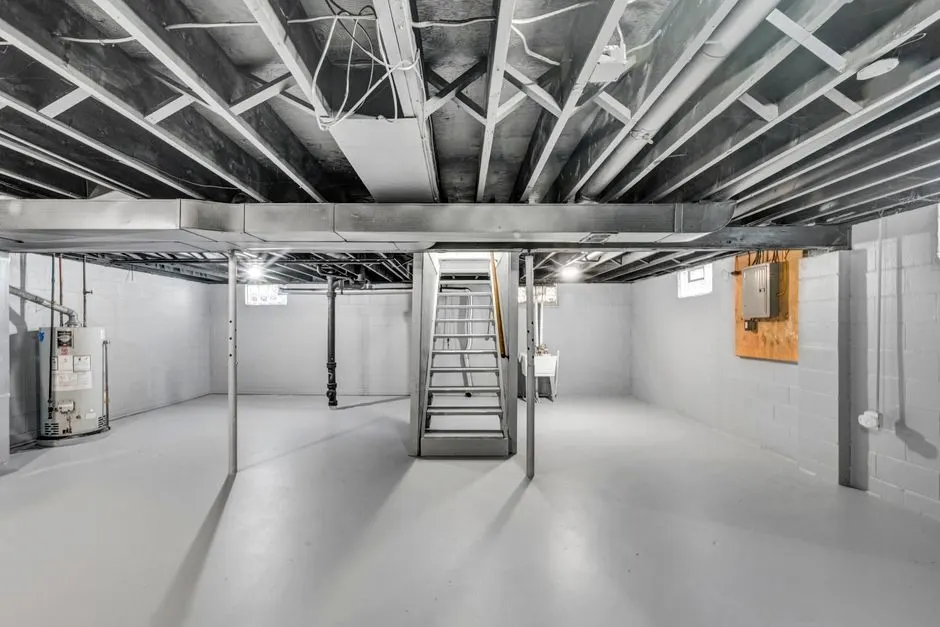
To limit water damage after a burst pipe in winter, shut off the home's main water supply, avoid electrical hazards, and remove standing water and wet belongings as soon as it is safe. Then call for professional extraction if water has reached flooring, wall cavities, insulation, or a finished basement; the first hour matters because water keeps spreading through porous materials.
Our winter burst pipe water damage response starts with controlling the source and removing water before we set drying equipment. This guide explains what to do immediately, how to reduce damage while help is on the way, and what to expect from frozen plumbing leak cleanup in Illinois.
How to limit water damage after a burst pipe in winter is an emergency response plan that stops incoming water, protects people and property, and starts extraction and drying before moisture spreads.
What to do immediately after a pipe bursts in winter
After a pipe bursts in Illinois, shut off the main water valve first, keep people clear of unsafe areas, and call a plumber or water removal team once the leak is controlled. These steps reduce the amount of water entering the home and help prevent an electrical or slip hazard from becoming a second emergency.
If you know the valve location, turn it clockwise until it stops. Common locations include where the water line enters the house, near the meter, or in a utility room; in some homes, the shutoff is in a basement near the front foundation wall. If the valve will not turn or the leak continues, contact your water utility or a plumber.
- Stop the water. Close the main shutoff. If the break is limited to a fixture and its local valve is easy to reach, close that valve too.
- Protect yourself. Keep out of water near outlets, appliances, a breaker panel, or sagging ceilings.
- Drain remaining pressure. Once the supply is off, open a cold-water faucet at the lowest level and another faucet upstairs. This can release pressure in the lines.
- Start safe water removal. Use towels or a wet/dry vacuum only if the area is electrically safe and the water is clean.
- Call for help. Arrange plumbing repair and extraction; one stops the leak, the other handles water already inside the building.
Our team handles water extraction in Illinois by removing standing water and setting up drying where moisture has reached building materials. If the burst is in a basement, tell us whether the water is near a furnace, water heater, or electrical equipment.
How to reduce water damage from a frozen pipe
You can reduce water damage from a frozen pipe by stopping the water supply, warming the area cautiously, and avoiding any attempt to thaw a pipe that has already split. The crack can release a larger stream as ice melts, so keep the main valve off until the plumbing has been inspected.
Frozen pipes most often occur in unheated spaces, including exterior-wall cabinets, crawl spaces, garages, and basement rim joists. During an Illinois cold snap, temperatures below 32°F put exposed plumbing at risk; wind and drafts make poorly insulated sections vulnerable even when the rest of the home feels warm.
If there is no visible leak and you suspect a frozen line, open the faucet served by that pipe and warm the area gradually with a hair dryer or warm towels. Keep the heat source moving. Never use a torch, open flame, or high-temperature heat gun, and do not use an electrical appliance where standing water is present.
If water is already leaking, do not wait to see whether a towel or bucket will contain it. We provide frozen pipe water damage cleanup in Illinois for water that has escaped into floors, walls, and finished spaces. This emergency pipe leak water removal helps stop the spread while the plumbing repair is arranged.
Protect belongings and document the damage
After the water supply is off, move dry, lightweight belongings out of the affected area and photograph wet materials before cleanup begins. In an Illinois winter, wet carpet, rugs, and stored boxes can hold moisture against a cold concrete slab or wall, making prompt separation and airflow important.
Move furniture only if you can do it without stepping into unsafe water or straining yourself. Place foil, plastic, or wood blocks under furniture legs if you cannot remove the item; avoid colored materials that could transfer dye to wet carpet. Lift rugs and remove items from shelves where water is actively rising.
- Take wide and close-up photos of the leak area, damaged belongings, and visible water lines.
- Keep a short list of affected rooms and items, and save receipts for emergency purchases.
- Do not throw away damaged materials before documenting them or checking with your insurer.
- Keep children and pets away from wet floors, tools, and drying equipment.
In Chicago-area homes, freeze-thaw cycles can expose plumbing in basements and exterior walls, especially where older additions meet newer construction. When a pipe break affects a property near the lake or in a dense neighborhood with shared building systems, our local water extraction in Chicago team can help remove water and identify the areas that need drying attention.
What drying and restoration involve
Burst pipe drying and restoration in Illinois usually involves extracting standing water, checking moisture in nearby materials, and running air movers and dehumidifiers until readings show the structure is dry. Water often travels under flooring and behind baseboards, so a dry-looking surface does not prove the wall or subfloor is unaffected.
We begin by removing accessible water with extraction equipment, then inspect affected rooms and adjacent areas with moisture meters. A small leak can spread beyond the visible puddle: water may wick up drywall, travel under laminate, or collect around floor penetrations. Drying decisions follow the material and moisture readings, not just how the room looks.
Air movers help evaporate moisture from exposed surfaces, while dehumidifiers collect moisture from the air. The setup may run continuously for several days; many residential drying jobs take roughly 3-5 days, although wet insulation, layered flooring, or hidden water can extend that period. We monitor progress and adjust equipment instead of guessing based on touch.
When wet materials cannot be dried effectively in place, removal may be needed to reach concealed moisture. Your plumber addresses the broken pipe, and our water damage restoration in Illinois work focuses on water removal and drying the affected building materials. We explain the work and pricing before proceeding, so you know what the cleanup involves.
Common mistakes after a winter pipe burst
Common mistakes after a winter pipe burst include restoring power before an electrical hazard is cleared, using unsafe heat to thaw plumbing, and waiting for visible mold or odors before starting drying. A quick response reduces avoidable damage; a rushed response can put people at risk or drive water deeper into materials.
Do not turn on a wet furnace, boiler, or water heater, and do not use a household vacuum to collect water. A standard vacuum is not designed for liquids. Avoid puncturing a bulging ceiling; water can release suddenly and the cavity may contain wiring.
Do not assume the leak is fixed because water has stopped flowing. Once the main supply is shut off, trapped water can continue to drain from pipes, and the break may be concealed inside a wall. Have the plumbing repaired and check adjacent rooms, closets, and the ceiling below the leak.
For Illinois winter water damage prevention, keep the home heated to at least 55°F when you are away, open cabinet doors under sinks on exterior walls during severe cold, and disconnect garden hoses before freezing weather. Insulate exposed pipes and seal drafts around plumbing penetrations. These steps do not guarantee a pipe will never freeze, but they reduce common cold-weather exposure.
When to call a professional
Call a professional Illinois water removal company as soon as water reaches carpet, drywall, insulation, wood flooring, or a basement you cannot safely dry yourself. Water in a wall cavity or under a floor needs prompt assessment, even if the leak lasted only a few minutes.
Call emergency services if someone has been shocked, a ceiling is sagging, or water is near live electrical equipment. For other situations, arrange a plumber to repair the pipe and contact a water extraction crew to remove water and begin structural drying; these are separate parts of the response.
We recommend calling promptly when water has spread across more than one room, soaked a finished basement, or reached contents you cannot move safely. Our team can assess the affected area, extract standing water, and monitor drying. For a pipe leak that needs a dedicated response, burst pipe and plumbing leak cleanup in Illinois addresses the water left behind after the source is controlled.
Many homeowners search for what to do after a pipe bursts during an Illinois winter and wait too long because the puddle seems small. Water can move under flooring in minutes, while damp drywall and insulation can stay wet well after the surface appears dry. Call when the affected material is beyond what towels and safe household tools can reach.
Frequently Asked Questions
What should I do immediately after a pipe bursts in winter?
Shut off the main water supply within minutes, keep clear of electrical hazards, and call a plumber to repair the pipe. If it is safe, open faucets to drain pressure and use towels or a wet/dry vacuum for small amounts of clean water. Photograph damage, then call for extraction if water has reached building materials.
How do I reduce water damage from a frozen pipe?
Turn off the water at the main shutoff as soon as you see a leak, then remove standing water when the area is electrically safe. Do not thaw a leaking pipe with a torch or use heat near water. Arrange plumbing repair and professional drying if moisture has reached walls, flooring, or insulation.
Should I turn off electricity after a pipe bursts?
Turn off power only if you can reach the breaker panel from a dry, safe area. Never walk through standing water to reach a panel or touch wet electrical equipment; call emergency services or an electrician if access is unsafe. Keep people away until the affected circuit has been checked.
When should I call an Illinois water removal company?
Call as soon as water reaches carpet, drywall, insulation, wood flooring, or a finished basement, ideally within the first few hours. Professional extraction is also appropriate when water has crossed multiple rooms or traveled beneath flooring. A surface that feels dry can still conceal moisture in a wall or subfloor.
How long does burst pipe drying take?
Many residential drying jobs take about 3-5 days, but wet insulation, concealed leaks, and layered flooring can extend the process. Technicians monitor moisture readings and adjust equipment as materials dry. Removing fans too early can leave damp areas behind, even when the room feels comfortable.
Get help with water extraction in Illinois
A burst pipe can damage more than the room where the water first appeared. Call Midwest Water Damage Pros at 8337200038 for help removing water and beginning the drying process.