
Logo
Get Estimate

Roof leak and storm water cleanup in Illinois

Stop the leak, remove water, and dry your home


Roof leak and storm water cleanup in Illinois protects homeowners and property managers when rain pushes through shingles, flashing, roof vents, or damaged ceilings. We locate and document affected areas, remove standing water, and dry building materials before hidden moisture spreads. Our team also provides stormwater leak cleanup in Illinois for homes and businesses after severe rain, wind-driven water, or repeated roof seepage.

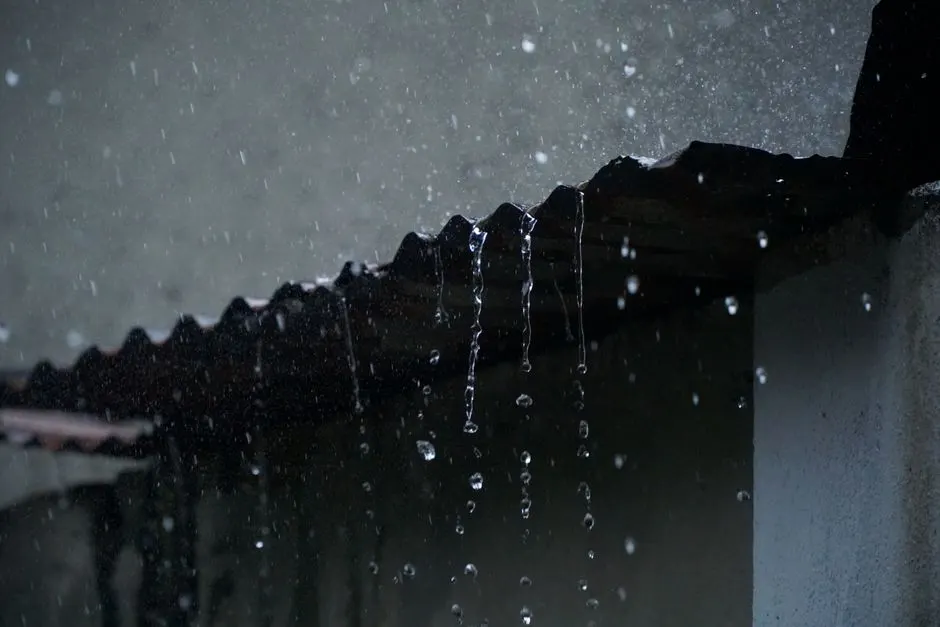
Close-up of rainwater flowing off a corrugated roof in low light, creating a serene ambiance.
Licensed Licensed & Bonded
Fully Insured Insured & Bonded
24/7 Emergency Same-Day Response
Warranty Backed Workmanship Guaranteed

What roof leak cleanup includes

Roof leak cleanup covers inspection of the interior water path, removal of standing rainwater, moisture checks, and structural drying for affected materials. We protect accessible belongings and document areas that need monitoring. Roof repair, major reconstruction, and replacement of damaged materials are separate trades or project stages when required; we identify those needs so you can plan the next step without confusing water removal with rebuilding.

Water path assessment

We inspect the visible ceiling stain, nearby walls, flooring, and accessible roof-adjacent areas to determine where water traveled. Moisture readings help identify damp materials beyond the obvious drip line. You receive a practical description of the affected rooms and the first actions needed.

Standing water removal

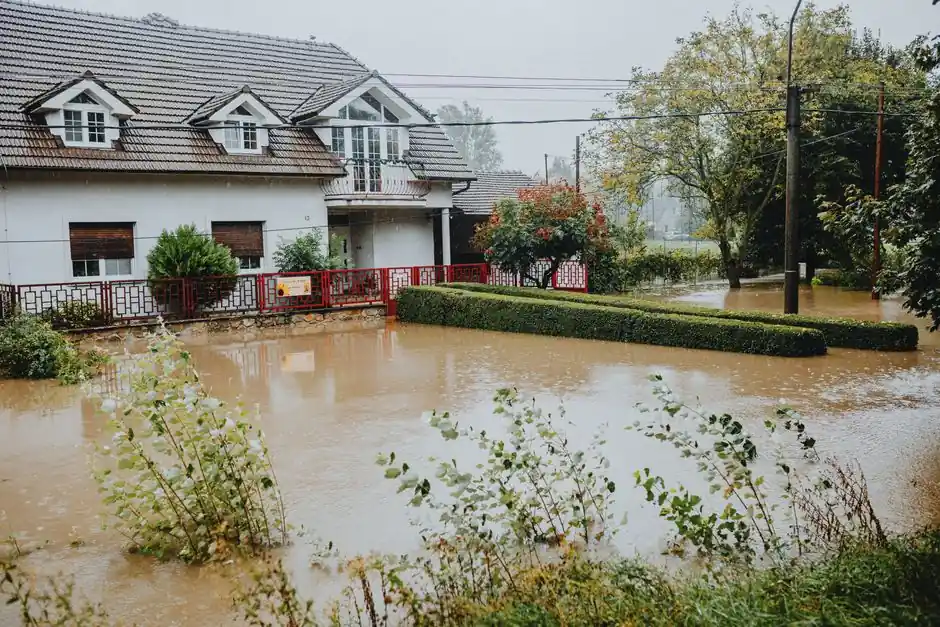
We extract pooled rainwater from hard surfaces and accessible carpet, using equipment selected for the volume and room access. If water has collected in a low area, a pump may remove bulk water before detailed extraction. We check carpet padding and floor edges where water can remain concealed.

Structural drying setup

We position air movers and dehumidification to dry affected surfaces and manage moisture in the room. Equipment placement reflects the material, space, and measured conditions. Our team checks progress and adjusts the setup instead of relying on a fixed number of drying days.

Moisture documentation

We record affected locations and compare readings during follow-up checks. This helps distinguish a surface that feels dry from materials that have reached a suitable drying condition. If a ceiling cavity or insulation cannot be assessed without opening it, we explain that access issue and the next step.

Safe work-area protection

We keep equipment and material handling organized, protect nearby contents where practical, and use containment when site conditions call for it. If damaged materials need removal, we discuss the area and handling approach before proceeding so you understand how that work relates to the drying plan.

Roof leak and storm water cleanup in Illinois


Roof leak and storm water cleanup in Illinois is a water-damage response service that removes rainwater from a building and dries affected materials after a roof opening or storm intrusion. We first address active water entry where safely accessible, then extract standing water from floors and cavities, protect unaffected areas, and map moisture in drywall, insulation, baseboards, and subflooring. A moisture meter and thermal imaging camera help us distinguish a damp surface from water trapped behind it. The goal is to stop secondary damage, not just make the visible puddle disappear.

Illinois weather puts roofs through freeze-thaw cycles, strong spring storms, summer downpours, and November rain that can expose worn flashing or clogged drainage. Wind-driven rain can travel beneath shingles, while snowmelt can reveal weak seams around chimneys and roof penetrations. Our crew handles Illinois roof leak and storm water cleanup in homes, multifamily buildings, and commercial spaces. If you need emergency roof leak water cleanup in Illinois, we extract affected water, set drying equipment, and explain the next practical steps for your property.

What to expect during cleanup

Roof leak and storm water cleanup follows a practical sequence: control the water, identify its path, extract, dry, and verify. We explain each step as work progresses, keep equipment out of key walkways where possible, and record moisture readings so you can see what changed from the first inspection to the final check.

01

Schedule

Call or book online — a real human picks up and confirms a 2-hour arrival window.

02

Diagnose

Licensed tech inspects on-site, then walks you through the cause and your options.

03

Fix

The job is completed to code and done right the first time — no shortcuts, no surprises.

04

Guarantee

Every job backed by a written workmanship warranty — and we stand behind it.

Equipment and drying methods

Tools & Equipment

Truck-mounted water extraction unit

We use truck-mounted extraction for accessible large areas and significant water volume. Strong recovery removes bulk water from flooring efficiently before detailed checks and structural drying begin.

Portable extraction machine

A portable extraction machine reaches upper floors, tight hallways, and rooms where truck-mounted hoses cannot be used effectively. It helps recover water from carpet and hard-surface transitions.

Submersible pump

For deeper pooled water, a submersible pump removes bulk water before surface extraction. The technician monitors the low area and switches to detailed recovery as the water level falls.

Air mover and LGR dehumidifier

Air movers direct airflow across wet materials, while an LGR dehumidifier removes moisture from room air. We adjust position as readings change and avoid treating drying as a fixed-time setup.

Moisture meter and thermal imaging camera

A moisture meter measures material dampness, and a thermal imaging camera helps locate temperature patterns that may indicate hidden moisture. Findings guide focused checks rather than replacing direct measurement.

Methods & Standards

Moisture mapping

We establish a baseline by checking affected materials and documenting locations where readings are elevated. Follow-up measurements use the same areas where practical, making the drying trend easier to compare. Mapping also helps identify migration beyond a ceiling stain, including wall edges, subflooring, and adjoining rooms.

Controlled structural drying

Equipment placement follows the affected material, room size, and air conditions. Air movement supports evaporation, and dehumidification removes released moisture from the space. We check progress and adjust equipment so drying responds to measured conditions rather than running unchanged for an arbitrary number of days.

Containment and clean handling

When debris or material removal requires separation, we use polyethylene containment sheeting and suitable HEPA filter media in an air scrubber where conditions warrant. Technicians follow OSHA workplace safety standards and product label directions for any antimicrobial disinfectant used on applicable surfaces.

IICRC-informed restoration

IICRC Water Damage Restoration Technician practices inform assessment and water-damage procedures. For structural drying, Applied Structural Drying principles support equipment use and monitoring. Where microbial remediation is indicated, appropriate AMRT training and EPA-registered disinfectant label requirements guide the work.

When to call for storm cleanup

01

Rain is dripping through a ceiling light or spreading across a bedroom after a wind-driven storm.

What we do: We treat water near electrical fixtures as a hazard, keep people clear, and assess the room before equipment is placed. After safe access is established, we extract standing water, inspect the ceiling and nearby materials, and document where moisture has traveled. The roof opening must also be addressed to prevent renewed entry.

→ You get a safer work area, less standing water, and a drying plan based on the affected ceiling, walls, and floor rather than the visible drip alone.

02

A roof leak appears overnight during November rain, and a hallway carpet is wet by morning.

What we do: We check whether water is still entering, inspect carpet edges and padding, and remove accessible water with extraction equipment. A moisture map guides air mover and dehumidifier placement. We also check the adjacent rooms because water can follow framing or floor transitions before becoming visible.

→ The hallway moves from pooled or saturated flooring into monitored drying, with damp adjoining areas identified before they are hidden by furniture or a closed door.

03

A commercial roof leak affects ceiling tiles, office flooring, and equipment after a heavy downpour.

What we do: We separate affected work areas, protect contents where practical, and remove water from accessible floors. Our crew checks the ceiling grid and nearby walls for moisture, then positions drying equipment to limit disruption to unaffected operations. We document areas requiring repair or further access.

→ Your staff receive a clear affected-area plan, standing water is removed, and drying can proceed while unaffected rooms remain available where site conditions permit.

04

Snowmelt or a freeze-thaw cycle reveals a recurring leak near a chimney or roof valley.

What we do: We inspect the interior ceiling and wall for repeated wetting, check moisture in nearby finishes, and extract any water that has reached the room. We explain that drying the interior does not repair the roof detail; the water-entry point needs appropriate roofing attention before the next precipitation event.

→ You have a record of affected materials and a clear separation between interior cleanup and roof repair, reducing the chance of treating a recurring leak as a one-time stain.

How Illinois roof cleanup is delivered

Roof leak and storm water cleanup in Illinois changes with the roof type, building age, and weather exposure. Northern areas face freeze-thaw movement and wind-driven rain; central and southern communities also see intense downpours and seasonal storm systems. Older homes may have plaster, layered roofing, or limited attic access, while commercial buildings often have broad low-slope roofs and ceiling grids that hide water paths. We inspect the interior first, then coordinate extraction and drying around safe access and the materials involved. Stormwater leak cleanup in Illinois also needs attention to runoff: overflowing gutters or downspouts can send water toward a foundation even when the roof opening is the visible problem. For storm damage water removal and drying, we check adjacent rooms and lower levels rather than stopping at the first ceiling stain. Local building and permit requirements vary by municipality and by repair scope; we focus on water mitigation and identify when a separate roofing or building professional must address the source. In Bloomington, DeKalb, and Moline, weather exposure and building layout shape the equipment plan.

Neighborhoods We Serve

  • Downtown Chicago

    Multifamily buildings and commercial spaces can have shared ceilings, limited service access, and occupied units above or below the leak. We isolate affected rooms and document water travel across floors.

  • Near West Side

    Older building assemblies can conceal moisture behind plaster or layered finishes. We check wall and ceiling edges carefully before deciding where drying airflow will be effective.

  • Naperville Riverwalk area

    Tree cover and nearby drainage patterns can complicate runoff during heavy rain. We inspect the room beneath the leak and adjacent lower-level areas for water migration.

  • Champaign campus area

    Rental and multifamily properties often require coordination around occupied rooms and shared corridors. We keep equipment placement focused on the affected unit and document adjoining areas.

Local Conditions We Plan For

  • Freeze-thaw cycles stress roof seams and flashing

    Repeated temperature changes can open small gaps around roof penetrations or valleys. When water appears indoors, we check whether the leak is recurring and distinguish current wet materials from older staining before setting a drying plan.

  • Heavy rain overwhelms gutters and roof drainage

    Blocked or overloaded drainage can push water beneath roof edges or toward foundations. We address interior water while noting whether runoff has also reached a basement, lower wall, or floor transition.

  • Older ceilings conceal water above finished rooms

    Plaster, layered ceilings, and limited attic access can make the water path difficult to see. Moisture readings and careful inspection help identify the area requiring drying or further access without assuming the stain marks the full damage boundary.

Bedroom ceiling leak after rain

Before

Rain entered around a roof vent and left a ceiling stain above a carpeted bedroom. The carpet felt damp near the wall, but water had also reached the padding and baseboard. The homeowner had moved a dresser but could not tell whether the adjoining closet was affected or whether moisture remained above the ceiling finish.

After

We extracted water from the carpet, checked the closet and wall edge, and found elevated moisture across two connected areas. Air movers and dehumidification were set, then checked over four days. Follow-up readings showed the affected carpet edge and adjacent materials trending dry, while the damaged ceiling area was identified for repair planning.

Maintenance: After roof repairs, keep the vent flashing and nearby shingles on the next roof inspection. Check the ceiling after heavy rain for fresh discoloration, and keep furniture slightly off the wall until the affected room is fully dry.

Before

A downpour pushed water through a low-slope roof detail into an office. Ceiling tiles were stained, water reached a section of carpet, and staff had moved electronics into an adjoining room. The visible damage covered one corner, but the carpet edge and wall below the roof path were also damp.

After

We removed standing water from the carpet, inspected the wall and ceiling grid, and set drying equipment in the affected office. The work zone was kept to one room, and moisture checks over three days confirmed improvement in the carpet edge and wall. The property manager had a documented list of areas needing roof and finish follow-up.

Maintenance: Keep roof drains and scuppers clear through fall and after major storms. Have a qualified roofing professional inspect the leak source, then check ceiling tiles and perimeter walls after the next heavy rain.

Before

A recurring leak left water marks in an upstairs room and a wet hallway transition after overnight rain. The household had placed towels at the doorway, but water continued beneath the carpet edge. A nearby baseboard felt cool and damp, raising concern that moisture had reached the wall cavity.

After

We extracted the hallway water, checked the carpet boundary and baseboard, and used moisture readings to trace the affected path. Drying equipment ran for five days with progress checks. The hallway floor and wall edge showed improved readings, and the leak area was documented for repair rather than covered with new paint.

Maintenance: Once the roof entry is repaired, inspect the ceiling and hallway after the next two substantial rain events. Keep the transition clear during that period and report any new staining or damp baseboard promptly.

Solve stormwater cleanup problems early

A roof leak can leave damage where you cannot see it: above a ceiling, beneath carpet, or behind a baseboard. If water keeps entering, the affected area grows with every storm. We locate the interior path, remove water, and track drying so you can address the source and the resulting damage in the right order.

Problem

A ceiling stain keeps spreading after each rainstorm

Repeated wetting can soften drywall, stain finishes, and saturate insulation above the ceiling. A larger affected area means more material to inspect and dry.

Our Fix

We map the visible stain and surrounding ceiling with moisture checks, then inspect accessible adjoining areas for water travel. We remove water that has reached the room and set drying equipment based on the affected materials. If the roof entry remains active, we explain the need to stop further rain exposure while interior cleanup proceeds.

Problem

Water is trapped beneath carpet after roof seepage

Wet carpet padding can hold water against the floor, while moisture can reach tack strips and subflooring even when the carpet surface feels nearly dry.

Our Fix

We extract from the carpet and check the edges and padding for retained moisture. Based on condition and readings, we determine whether the materials can remain for drying or need removal. Air movement and dehumidification then target the exposed floor and surrounding room, with follow-up checks to confirm progress.

Problem

A storm leak reaches walls and lower floors

Water can run inside a wall or along framing before appearing at a baseboard or downstairs ceiling. Delayed discovery increases the chance of hidden moisture and microbial growth.

Our Fix

We trace the likely route from the roof-adjacent room into nearby walls and floors, documenting affected areas with a moisture meter. Extraction addresses accessible water, while the drying plan follows the materials involved. If an enclosed cavity prevents effective drying, we explain the access needed rather than masking the problem with surface airflow.

Problem

Wind-driven rain enters around a roof opening

Rain entering around flashing, vents, or a skylight can soak insulation and ceiling finishes, then continue dripping after the storm passes.

Our Fix

We inspect the interior signs and identify the roof feature most consistent with the water path. Our crew removes interior water, checks nearby materials, and sets drying equipment while the entry point is addressed. For active emergencies, we prioritize the wettest areas and provide clear steps to protect people and belongings.

A drier building, less damage

A drier building, less damage

The right response limits how far moisture travels and gives you a clear picture of what needs drying. We focus on the water source, affected materials, and measurable progress, so you are not left guessing whether a ceiling or floor is dry beneath the surface.

  • Water removed promptly

    We use a truck-mounted water extraction unit or portable extraction machine to pull water from accessible floors and carpet. For deeper pooling, a submersible pump handles bulk removal before detailed extraction begins. Getting standing water out quickly reduces exposure to carpet padding, baseboards, and nearby contents.

  • Hidden moisture located

    Water often runs along framing or settles above a ceiling before it becomes visible. We check suspect areas with a moisture meter and thermal imaging camera, then mark readings for follow-up. That helps your drying plan address concealed dampness instead of relying on surface appearance alone.

  • Drying matched to materials

    Wet drywall, insulation, and wood do not dry at the same rate. We position air movers and a low-grain refrigerant dehumidifier according to the affected room and measured moisture. Daily checks guide adjustments, and equipment stays in place until readings show the materials are trending dry.

  • Cleaner work zones

    We protect unaffected areas with polyethylene containment sheeting when the work requires it, and use HEPA air scrubber filtration where conditions call for airborne dust control. The setup keeps extraction and material handling organized while you continue using unaffected rooms as safely as the site allows.

Training and job standards

Licensed & Certified

  • Water Damage Restoration Technician — issued by Institute of Inspection, Cleaning and Restoration Certification
  • Applied Structural Drying — issued by Institute of Inspection, Cleaning and Restoration Certification
  • Applied Microbial Remediation Technician — issued by Institute of Inspection, Cleaning and Restoration Certification

Verified Reviews

Customer feedback Not stated

After storm water came through a bedroom ceiling, the crew checked more than the stain. They extracted the wet carpet, measured the wall edge, and returned to check drying progress. The explanation was direct, and we knew which area still needed roof repair.

Customer feedback Not stated

Our office had water across carpet tiles after a roof leak. The team kept the work area contained, removed the standing water, and gave us useful updates while the equipment ran. Their moisture checks helped us decide when to reopen the room.

Customer feedback Not stated

Water showed up in the hallway after heavy rain, and we were worried it had reached the closet. The technicians checked both areas, extracted the water, and explained the drying setup. They were careful around our belongings and answered our questions without a sales pitch.

Field knowledge that guides drying

Our local experience includes stormwater intrusion through roof valleys, failed flashing, skylights, vents, and ceiling penetrations, as well as water that travels into wall cavities and lower floors. Trained technicians use IICRC Water Damage Restoration Technician (WRT) practices to assess and manage water-damaged materials. Where structural drying requires it, IICRC Applied Structural Drying (ASD) knowledge informs equipment placement and monitoring. We follow product label directions for antimicrobial disinfectant and protect workers and occupants while handling affected materials. Each job is based on observed conditions and recorded moisture readings, not a one-size-fits-all equipment layout.

  • Technicians trained in IICRC Water Damage Restoration Technician practices assess water categories, affected materials, and practical extraction priorities.
  • Structural drying decisions use measured moisture changes and room conditions rather than a fixed equipment count for every property.
  • We identify roof-entry paths at flashing, vents, valleys, skylights, and roof-to-wall transitions before setting the interior drying plan.
  • Where microbial contamination is present, trained remediation practices guide containment, material handling, and safe cleanup decisions.
  • Our technicians document affected areas and equipment checks so you can follow the progress from initial inspection through drying verification.
Get Started Today
Field knowledge that guides drying

Cities served across Illinois

Midwest Water Damage Pros provides roof leak and storm water cleanup across Illinois, with response planning shaped by the building, access, and weather conditions in each community. Our service area includes central and northern cities as well as communities farther south and along the Mississippi River. For stormwater leak cleanup in Illinois, we assess both the interior water path and the conditions that may have driven rain beneath the roof covering. Select your city to learn more about local service details.

Bloomington

We inspect ceiling and attic-adjacent rooms, extract rainwater from floors, and dry affected materials in Bloomington homes and commercial properties.

DeKalb

Our DeKalb response checks roof-entry points and adjoining walls, with moisture readings guiding extraction and equipment placement after heavy rain.

Normal

In Normal, we address leaks in single-family homes and multifamily buildings, checking carpet edges and ceiling cavities for water beyond the visible stain.

Moline

Moline properties receive focused water-path inspection, standing-water removal, and monitored drying when rain enters through roof seams or flashing.

Wheeling

We coordinate cleanup in Wheeling residences and commercial spaces, protecting unaffected rooms while extracting water and checking adjacent materials.

Glendale Heights

For Glendale Heights roof leaks, we inspect the affected ceiling and flooring, then set drying equipment around the room layout and measured moisture.

Galesburg

Our Galesburg service removes stormwater from accessible floors and checks nearby walls and baseboards for moisture that spread from a roof leak.

Batavia

In Batavia, we trace water from the ceiling into adjoining rooms, extract pooled water, and monitor drying in carpet, drywall, and trim.

Morton Grove

We handle Morton Grove storm intrusion with room-by-room moisture checks, careful contents protection, and equipment selected for upper-floor or basement access.

Freeport

Freeport cleanup starts with the visible leak area, then checks nearby materials for water travel before extraction and structural drying begin.

Darien

Our Darien technicians remove water from affected floors and assess ceilings and walls so hidden moisture does not go unnoticed after a storm.

Crest Hill

In Crest Hill, we respond to roof seepage with extraction, moisture mapping, and drying checks suited to the affected home or business.

North Aurora

We inspect North Aurora properties for water around roof penetrations and ceiling edges, then remove standing water and track material drying.

Palos Hills

Palos Hills cleanup includes checking the leak room and adjoining areas, especially when stormwater has moved from an upper floor toward lower levels.

Bridgeview

For Bridgeview properties, we identify the interior water path, extract accessible rainwater, and monitor affected flooring and ceiling materials.

Roof leak cleanup questions

Real answers to the questions we hear most often from local homeowners and property managers.

What should I do about water coming through my ceiling?
Move people and belongings away from the leak, and avoid a sagging ceiling or nearby electrical fixtures. If it is safe, place a container beneath drips and call for emergency cleanup; do not climb onto a wet roof. We inspect the affected room, remove standing water, and check surrounding materials for hidden moisture. For a ceiling bulge, keep clear and let trained responders assess it before anyone attempts to drain or open the area.
How quickly should roof leak water be extracted?
Extract standing roof-leak water as soon as it is safe, ideally within 24 hours of discovery. Water spreads through carpet, drywall, insulation, and framing, so delay increases the chance of more material damage and microbial growth. We assess the source and hazards first, then remove accessible water and begin drying. Drying commonly takes three to five days, but readings and material type determine when equipment can come out.
Does storm water cleanup include drying wet insulation?
Yes, storm cleanup includes checking wet insulation and determining whether it can be dried or must be removed. The decision depends on how much water it absorbed, how long it stayed wet, contamination, and access to the cavity. We inspect adjacent drywall and framing, document moisture, and explain the next step. Drying equipment alone cannot reliably dry insulation sealed behind a ceiling when the cavity remains inaccessible.
Who provides emergency roof leak cleanup in Illinois?
Midwest Water Damage Pros provides emergency roof leak cleanup in Illinois for homes and commercial properties affected by storm water. Call 8337200038 to report active water, the rooms affected, and any ceiling or electrical hazard. We assess the water path, extract standing water, and establish a drying plan. If the roof remains open, stopping further entry through appropriate roof repair or temporary protection is also essential.

Related water damage services

Emergency Water Extraction

When a roof leak leaves water across a room, emergency extraction removes the bulk before it spreads into adjoining flooring. We choose equipment based on volume and access, then check carpet padding and nearby materials so the drying plan addresses more than the visible puddle.

View Emergency Water Extraction

Water Damage Restoration

After roof water is removed, restoration addresses damaged building materials and the path back to usable rooms. We identify what can be dried, what needs removal, and where moisture remains, helping you coordinate extraction, structural drying, and repairs in a sensible order.

View Water Damage Restoration

Flood Cleanup and Water Removal

A severe storm can push water into more than the top floor. Flood cleanup and water removal handles larger volumes, multiple rooms, and water that reaches lower levels, with extraction and moisture checks tailored to the affected property.

View Flood Cleanup and Water Removal

Basement Water Removal

Roof runoff can overwhelm drainage and eventually show up below grade, especially when downspouts discharge near the foundation. Basement water removal extracts standing water and checks floors and lower walls for moisture before the space is dried.

View Basement Water Removal

Sump Pump Failure Cleanup

Heavy rain can expose a failed or overwhelmed sump system while a roof leak damages upper rooms. We remove standing water from the basement, inspect affected materials, and help separate the roof-entry cleanup from the lower-level water problem.

View Sump Pump Failure Cleanup

Sewage Backup Cleanup and Extraction

Storm conditions can coincide with a sewer backup, creating a different contamination risk from clean rainwater. Sewage cleanup requires appropriate containment, protective practices, and separate handling; we assess the source before deciding which extraction and sanitation steps are safe.

View Sewage Backup Cleanup and Extraction

Get roof leak cleanup moving today

We remove storm water, check hidden moisture, and explain the next steps for your property. Our technicians follow IICRC-informed drying practices. Call 8337200038 to arrange emergency roof leak and storm water cleanup in Illinois.

Call Our Team Call For Cleanup

Contact our team

Call Midwest Water Damage Pros at 8337200038 for help finding an independent water cleanup company serving your Illinois location. Our referral line accepts calls 24/7, including frozen-pipe emergencies overnight and water entering after a storm. Tell us what happened, where the water is, and whether anyone faces an immediate safety risk so we can route your call.

Midwest Water Damage Pros


  • Phone

    8337200038
  • Address

    Illinois

  • Hours

    Mon–Fri: 7AM – 7PM
    Sat: 8AM – 4PM
    Sun: Emergency Only
    24/7 Emergency Available

Call 8337200038 Get Quote
Call Quote