
Residential Water Extraction in Des Plaines
Homes in Des Plaines include finished basements, utility rooms, carpeted lower levels, and living areas where a small leak can spread under flooring. A failed sump pump after heavy rain, a frozen pipe in winter, or an appliance hose failure can leave water in places you cannot see. Our residential water extraction service removes standing water and checks adjoining materials so you know what needs drying. We work around family schedules and household access, keeping paths clear where conditions allow. If water has reached stored belongings, tell us before moving them; we can help prioritize what is safe to handle and what should remain untouched until extraction is complete.
- Finished basement water removal — We remove standing water from finished basements in Des Plaines and check carpet edges, baseboards, and lower drywall for moisture. If carpet padding is saturated, we explain whether it can be dried or needs removal. We keep equipment placement practical so your stairs and essential routes remain usable when safe.
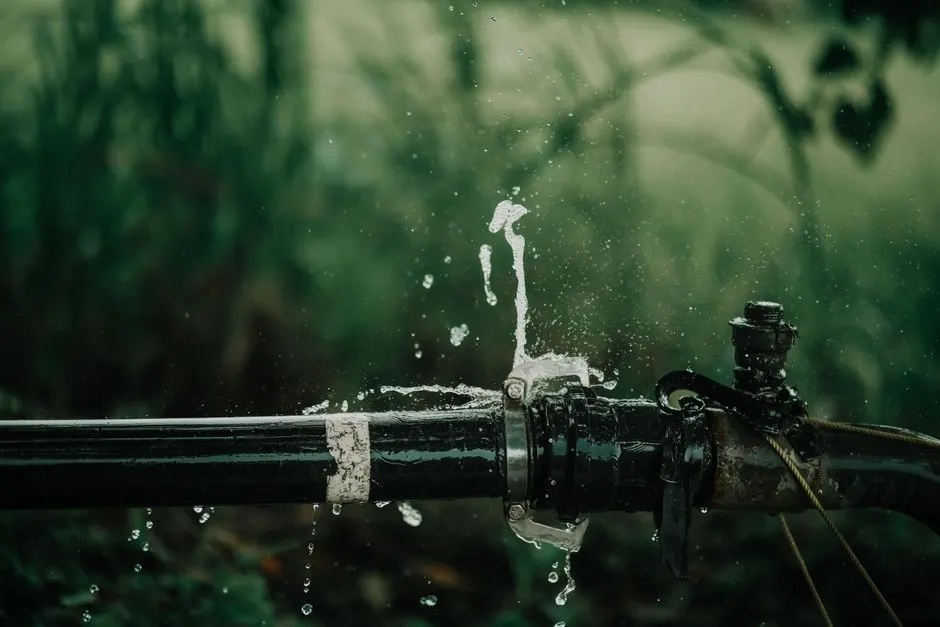
- Burst pipe cleanup at home — A pipe failure can affect rooms below the break as water travels through ceilings and wall cavities. We extract accessible water, inspect adjacent surfaces, and use moisture readings to guide drying. In Des Plaines winter calls, shut off the supply if safe and tell us whether the pipe has been repaired.
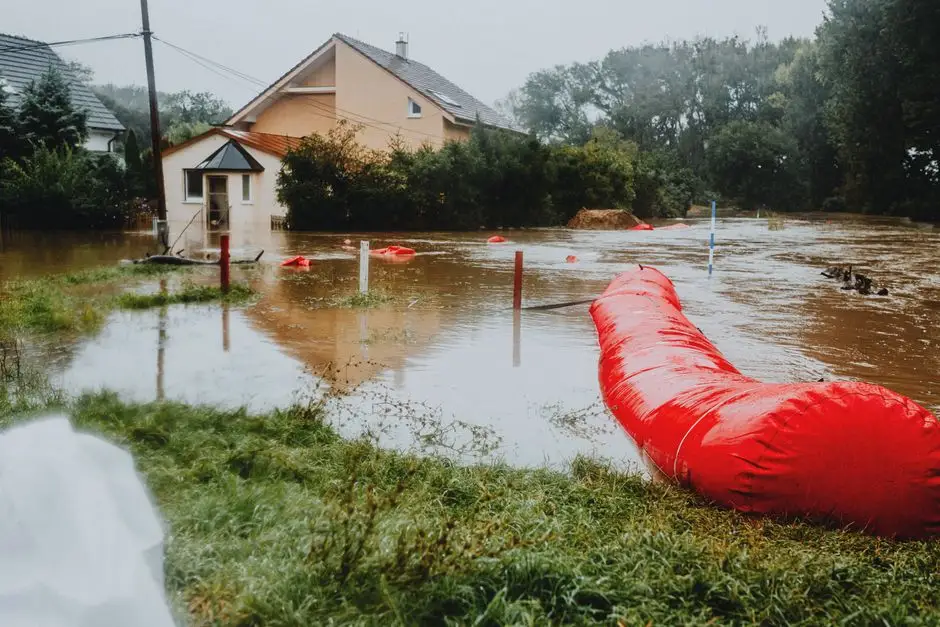
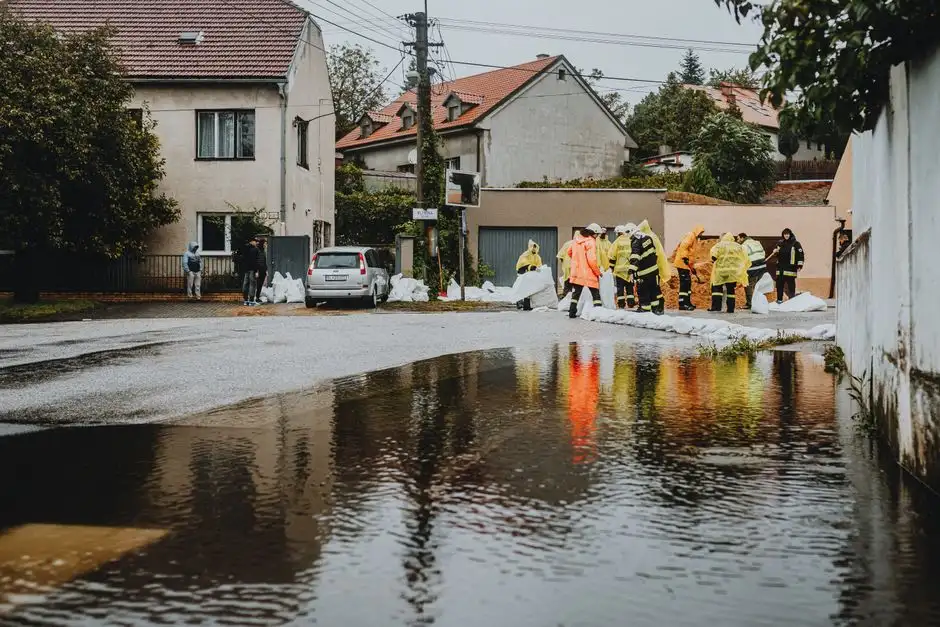
- Sump pump and storm cleanup — When a sump pump fails during a storm, we pump out standing water and assess the basement floor and lower walls. We plan around stored belongings and finished rooms, then set drying equipment where readings show it is needed. Des Plaines homeowners should keep clear of wet electrical equipment.
- Appliance leak extraction — Dishwasher, refrigerator, and laundry leaks can move beneath cabinets and flooring before they are noticed. We extract visible water, check the adjacent room and flooring perimeter, and explain what moisture readings show. For Des Plaines homes, isolating the appliance supply safely helps stop further water while cleanup begins.