
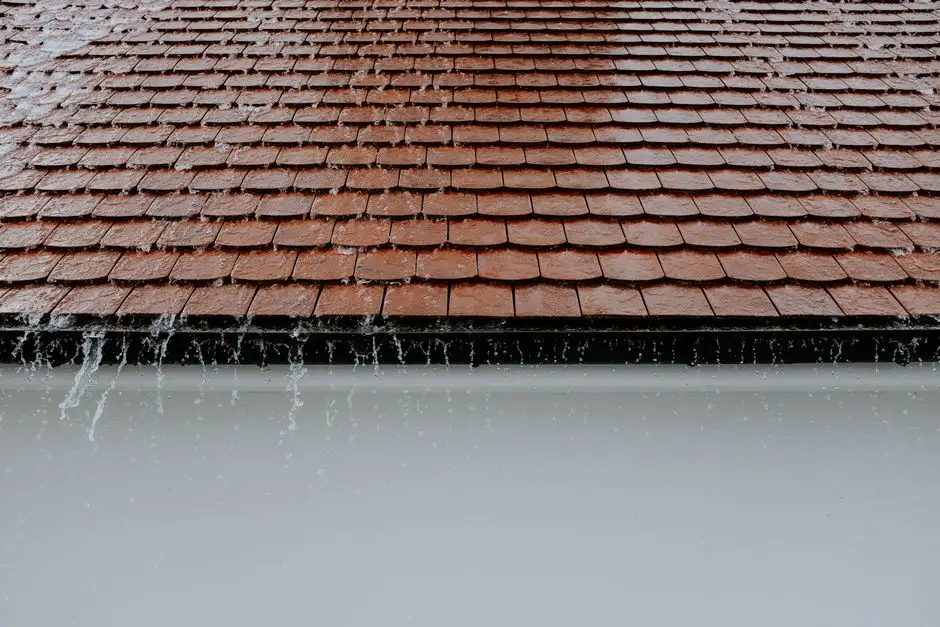
If your roof leaks during an Illinois storm, move people away from the wet area, protect belongings, and catch drips only when it is safe; then arrange prompt roof-leak cleanup and drying. Do not climb onto a wet roof or touch a ceiling that is bulging, near electrical fixtures, or sagging. This guide explains how to limit damage, what extraction and drying involve, and when to call our team at Midwest Water Damage Pros.
What to do about a roof leak during Illinois storm season is a practical emergency response that reduces immediate safety risks and gets trapped rainwater removed before materials stay wet. A few careful steps now can prevent a ceiling stain from turning into soaked insulation, damaged flooring, and a larger repair.
What to do about a roof leak during an Illinois storm
A roof leak during an Illinois storm calls for a safety check, a catch container if the ceiling is stable, and a prompt call for water cleanup. Your first priority is people-not the roof, furniture, or a bucket.
Move children and pets out of the room. If water is close to a light, outlet, or ceiling fan, avoid touching the fixture or standing water; shut off the affected circuit at the breaker only if you can reach the panel safely from a dry location. If you smell burning or see sparks, leave the area and call emergency services.
Put a bucket or plastic tub under a steady drip only when the ceiling looks flat and sound. A towel around the container helps catch splashes. Move electronics, rugs, and furniture out of the room; if an item is too heavy, cover it with plastic without pressing against a wet ceiling.
Take photos from a safe distance and note when the leak began. Those records help you explain the damage to your insurer and to the cleanup crew. For a broader response across the state, our team provides water extraction in Illinois for storm water that has reached ceilings, walls, or floors.
How to limit ceiling water damage before cleanup arrives
You can limit ceiling water damage before cleanup arrives by protecting the room, keeping people clear of unstable materials, and avoiding risky repairs during active weather. In Illinois, gusting wind, lightning, and slick shingles make roof access especially dangerous.
Look for changes from the doorway, not directly beneath a bulge. A water-filled ceiling can release suddenly, and wet plaster or drywall can fall in heavy pieces. If the ceiling is sagging, cracking, or visibly swelling, close the room and do not puncture it yourself.
Once the storm has passed and the structure is safe, a qualified roofer can address the roof opening. A tarp is a temporary exterior measure, not a substitute for repairing flashing, shingles, or damaged underlayment. Never climb onto a roof during rain, wind, lightning, or when surfaces remain icy.
- Keep a clear path for the cleanup crew and move valuables only if it is safe.
- Blot small amounts of water from a hard floor with towels; do not use a household vacuum on standing water.
- Keep wet clothing, books, and cardboard off carpet and wood flooring.
- Record the affected rooms and visible damage without touching wet electrical components.
If rain has traveled through a ceiling and into wall cavities, surface towels will not remove moisture held in insulation or framing. Our roof leak and storm water cleanup in Illinois service addresses the water that has entered the building, then focuses on drying the affected materials.
What happens during roof leak water extraction
Roof leak water extraction in Illinois starts with identifying where water has traveled, removing accessible water, and measuring moisture so drying equipment can be placed where it matters. You do not need to wait for a roof repair before calling for interior cleanup.
Water often follows rafters, wiring paths, or the back of drywall before it appears as a ceiling stain several feet from the roof opening. We inspect the affected room and adjacent areas, check moisture in reachable building materials, and look for water at the floor, trim, and wall edges. A small visible mark does not always show the full wet area.
We remove standing water with suitable extraction equipment, then set air movers and dehumidifiers according to the affected materials and room conditions. Drying is tracked with repeat moisture readings rather than judged by touch alone. The process often takes several days; wet insulation, layered materials, or continuing rain can extend the work.
Prompt extraction matters because damp drywall, carpet backing, and wood can stay wet after the surface appears dry. As a practical goal, water should be removed as soon as it is safe to start, ideally within 24 hours of discovery. That is not a guarantee against damage, but early action gives materials a better chance to dry before deterioration advances.
Cleanup after a leak is related to, but different from, the exterior roof repair. We handle interior rainwater removal and structural drying; a roofer locates and repairs the roof defect. In older homes around water extraction in Rockford, for example, storm water can travel through older roof and attic assemblies before showing inside, so checking beyond the obvious drip is important.
How Illinois storm seasons affect roof leaks
Illinois storm seasons bring different roof-leak risks, from winter ice and thawing to spring downpours and summer thunderstorms. In November, wet leaves, cold rain, and the first freeze-thaw cycles deserve attention before winter weather settles in.
During cold spells, ice can build along roof edges and impede drainage; later melting water may find a weak flashing joint or an existing opening. In spring, repeated heavy rain tests shingles, valleys, and roof penetrations. Summer storms can combine strong wind, hail, and short bursts of intense rainfall, pushing water under damaged shingles or around vents.
A quick seasonal check from the ground can help you spot missing shingles, sagging gutters, or branches that may strike the roof. Clear leaves from safe-to-reach gutters before freezing weather, and arrange roof work during dry, calm conditions. Do not walk on a roof to inspect it.
After any storm, check ceilings and upper-floor walls over the next day or two. A faint yellow or brown ring, peeling paint, a musty odor, or a soft patch can signal moisture that did not appear during the rainfall. If water reaches a lower level, address both the roof path and the wet materials below; water extraction in Chicago often involves tracing storm water through more than one building level.
Common mistakes after storm-related ceiling water damage
The most common mistakes after storm-related ceiling water damage are climbing onto a wet roof, delaying extraction, and assuming a dry-looking surface means the structure is dry. These shortcuts can cause injuries or leave hidden moisture behind.
Do not use a hair dryer, space heater, or open flame to dry a ceiling. Concentrated heat can damage finishes and does not reliably dry the cavity behind drywall. Avoid spraying bleach on stained drywall or wood; it cannot remove water trapped inside the assembly.
Do not keep using a room simply because the drip has stopped. Water may remain in insulation or run down framing, and a ceiling can weaken after the visible leak ends. If a ceiling bows, cracks, or sheds material, keep out and arrange an urgent inspection.
Another costly error is waiting for the next storm to see whether the leak returns. Dry weather can hide an opening without resolving it. Arrange a roof inspection and interior moisture check after the first leak, especially if the same spot has stained before.
When to call a professional for a roof leak
Call a water extraction professional in Illinois when storm water has soaked carpet, entered a wall or ceiling cavity, pooled on a floor, or reached electrical components. If the ceiling is unstable or the leak is active, make safety the priority and call for help promptly.
Small drips into a stable container may be manageable until the storm passes, but wet insulation and hidden water need more than a mop. Call when water continues to enter, spreads beyond one small area, or affects porous materials such as carpet, drywall, or wood. A musty smell or a spreading ceiling stain after rain is also a reason to have moisture checked.
Our technicians at Midwest Water Damage Pros remove water, assess affected materials, and set up drying equipment based on conditions in your home. We can coordinate the interior cleanup while you arrange a roofer for the source repair. We explain the recommended work and pricing upfront, then focus on getting your home dry.
Frequently Asked Questions
What should I do first when my roof leaks during a storm?
First, move people away from the leak and any sagging ceiling, then avoid nearby electrical fixtures. If the ceiling is stable and the area is safe, place a bucket under the drip and move belongings. Do not climb onto the roof during rain, lightning, high wind, or icy conditions.
Should I place a bucket under a ceiling leak?
Yes, place a bucket under a drip if the ceiling is flat, stable, and away from electrical hazards. Keep clear of any bulging or cracked section; it can collapse without warning. A bucket catches water but does not stop moisture from spreading inside the ceiling or wall.
How soon should storm water be extracted?
Have storm water extracted as soon as the area is safe, ideally within 24 hours of discovering the leak. Earlier removal reduces the time that carpet, drywall, and wood remain wet. Hidden water can persist after the drip stops, so professional moisture checks and drying may still be needed.
Does roof leak cleanup include drying wet ceilings?
Roof leak cleanup can include drying wet ceilings when moisture has entered the ceiling assembly. The crew checks affected areas, removes accessible water, and uses air movers and dehumidifiers where appropriate. A roofer separately repairs the exterior opening, so interior drying and roof repair usually require coordinated work.
Who handles storm water cleanup after a roof leak?
A water extraction and restoration team handles interior rainwater removal and drying; a roofing contractor repairs the roof itself. Call the cleanup team if water has reached flooring, walls, insulation, or a ceiling cavity. If there is an electrical hazard or an unstable ceiling, keep clear and address immediate safety first.
Get help with water extraction in Illinois
A roof leak can leave water hidden above the ceiling long after the storm passes. Call Midwest Water Damage Pros at 8337200038 for help with water extraction and drying.