
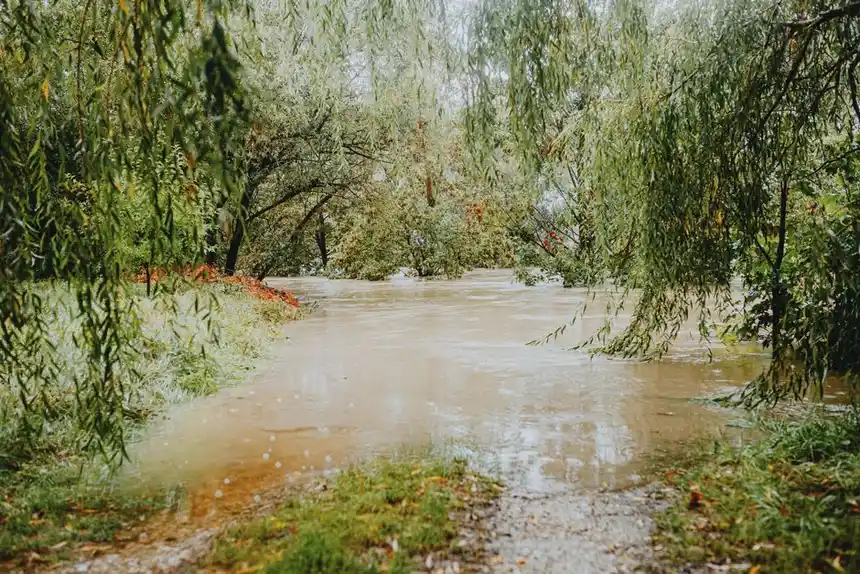
Your Illinois basement keeps flooding after heavy rain because runoff and saturated soil push water toward weak points in the foundation, while clogged drains or an overwhelmed sump pump leave nowhere for it to go. The repeat pattern usually means a drainage or groundwater problem-not simply a one-time storm-and the fix depends on whether water enters through walls, the floor, or a failed pump.
Illinois water extraction is the removal of standing water and moisture from a flooded property to limit damage and support thorough drying. In this guide, we explain the main causes, practical prevention steps, warning signs that require prompt action, and how our team handles water after a basement flood.
Why basements flood after heavy rain in Illinois
Basements in Illinois flood after heavy rain when soil becomes saturated and water pressure forces moisture through foundation cracks, floor joints, window wells, or drainage openings. The problem gets worse if roof runoff collects beside the house or a sump system cannot keep pace with incoming water.
That combination explains why basements flood after heavy rain in Illinois even when there is no obvious broken pipe. Clay-heavy soil common in parts of the state drains slowly; after prolonged rain, it can stay wet for days. Water then presses against below-grade walls and finds the easiest route indoors.
Our team looks for the entry point before treating the water as an isolated mess. Homeowners who need water extraction in Illinois often have several issues working together: a low spot in the yard, a downspout discharging beside the foundation, and a sump pump that runs continuously or fails during a power outage.
Pay attention to when and where the first water appears. A wet strip at the wall-floor seam suggests seepage under pressure; a puddle around a floor drain may indicate a drainage backup; water under a basement window points to a saturated or poorly drained window well.
What causes basement seepage after heavy rainfall?
Basement seepage and groundwater enter Illinois homes through foundation openings, overloaded perimeter drains, window wells, and floor drains when rainfall saturates surrounding soil or overwhelms the drainage system.
Small cracks matter, but they are not the only route. Concrete is porous, mortar joints can deteriorate, and the joint where a wall meets the slab is a frequent path for water under hydrostatic pressure. A crack that looks hairline-sized can still leave a damp trail or allow steady seepage during a long storm.
Common entry points to check
- Wall-floor joint: A damp line or beads of water at the base of the wall often signals groundwater pressure.
- Foundation cracks: Look for fresh mineral deposits, darkened concrete, or a narrow stream after rain.
- Window wells: Leaves, soil, or a blocked drain can turn the well into a basin against the window.
- Floor drains and sewer lines: Water rising through a drain can indicate a backup rather than ordinary seepage.
- Sump pit: A high water line, a silent pump, or frequent cycling deserves attention.
Roof runoff can deliver hundreds of gallons close to a foundation during a strong storm. Check whether downspouts extend at least 4 to 6 feet from the house and whether the soil slopes away about 6 inches over the first 10 feet. A settled patio or walkway can reverse that slope and send water back toward the wall.
In older homes around water extraction in Chicago, repeated storms can expose aging masonry, settled foundations, and buried drains that have accumulated debris. Similar clues show up statewide: musty odors, peeling paint, warped baseboards, and efflorescence-a pale, powdery deposit left when water evaporates from masonry.
How to reduce basement flooding in Illinois
You can reduce basement flooding in Illinois by moving roof water away from the foundation, keeping drainage paths open, and confirming that the sump pump and backup system work before the next storm.
Start outside, where simple corrections often reduce the amount of water reaching the basement. In November, clear leaves from gutters and downspout outlets before winter freeze-thaw cycles; in spring, check again after snowmelt and heavy rain. Keep discharge lines open and aimed away from neighboring properties and walkways.
- Clean gutters and confirm they drain freely during a hose test.
- Extend downspouts 4 to 6 feet or farther where grading carries water back.
- Remove leaves and sediment from window wells; check that well drains are not buried.
- Test the sump pump by pouring water into the pit until the float activates.
- Install a battery backup or secondary pump if a power outage would leave the basement unprotected.
- Store boxes and valuables at least 6 inches above the floor, especially in a basement that has flooded before.
A sump pump should start, discharge water outside, and stop without unusual grinding or repeated short cycling. Many household pumps are designed to move roughly 2,000 to 4,000 gallons per hour under favorable conditions, but lift height and pipe layout reduce actual capacity. If it runs constantly in ordinary rain, ask a qualified drainage professional to assess the pit, discharge, and incoming groundwater.
For active water already across the slab, basement water removal in Illinois addresses standing water and the wet materials that keep a basement damp after the storm. Extraction is only one part of recovery; affected flooring, drywall, insulation, and stored contents also need assessment and appropriate drying.
Common mistakes that keep basements wet
Basement drainage problems in Illinois often continue because homeowners treat the visible puddle but leave the water source and wet building materials untouched. The same wall can seep again at the next storm if runoff still pools beside the foundation.
One common mistake is sealing a crack from the inside without correcting exterior drainage. A patch may reduce visible seepage, but it does not lower water pressure in saturated soil. Another is routing a sump discharge beside the house, where the pump simply sends water back toward the foundation.
Do not ignore a musty smell because the floor looks dry. Carpet padding, insulation, and the bottom edge of drywall can hold moisture for 24 to 48 hours or longer, creating conditions for microbial growth. A household fan moves air but does not measure moisture inside materials or remove water trapped below a finished floor.
Never enter a flooded basement if water may have reached outlets, appliances, or a breaker panel. If you can reach the main electrical shutoff without stepping into water, turn power off; otherwise, stay out and contact the utility or emergency services. Do not use a shop vacuum on standing water unless it is specifically rated for wet pickup and the electrical conditions are safe.
Finally, do not assume every floor drain backup is rain seepage. If water smells like sewage, contains debris, or rises from a drain, keep people and pets away. Contaminated water needs a different cleanup approach from clear groundwater.
When to call a professional
Professional basement water extraction in Illinois is necessary when water covers a large area, reaches electrical equipment, contains sewage, returns repeatedly, or soaks carpet, drywall, or insulation that cannot dry promptly.
Call promptly if water is still entering, the sump pump has stopped, or the basement has more than a thin surface film. For a small, clean puddle you can safely remove, document the affected area and monitor it; for water that has reached wall cavities or finished flooring, quick extraction and controlled drying help limit secondary damage.
Our technicians remove standing water, assess affected materials, and set drying equipment based on the conditions in your basement. We also look for signs that distinguish storm seepage from a pump failure or drain backup, so you can address the cause rather than just mop up another puddle.
Homeowners dealing with a storm-driven leak alongside basement seepage may need roof leak and storm water cleanup in Illinois if water also entered from above. If the basement is wet now or the same area floods after every storm, contact Midwest Water Damage Pros to discuss the water removal needed at your property.
Frequently Asked Questions
Why does my basement flood after heavy rain?
Your basement floods after heavy rain when saturated soil pushes water through foundation joints or cracks, or when gutters, perimeter drains, or a sump pump cannot handle runoff. Check where water first appears and whether the pump cycles. A repeated wet seam at the wall-floor joint points toward groundwater pressure; water rising from a drain suggests a backup that needs separate attention.
Can heavy rain cause groundwater to enter a basement?
Yes. After hours of heavy rain, groundwater can rise and press against below-grade walls and the slab, entering through small cracks or joints. The pressure can persist for 24 to 72 hours after rainfall ends, depending on soil drainage and local conditions. A working sump pump and clear discharge line help, but repeated seepage calls for a drainage assessment.
How do I reduce basement flooding in Illinois?
Keep gutters clear, extend downspouts at least 4 to 6 feet, maintain a slope away from the house, and test the sump pump before wet weather. Clear window wells and consider a battery backup. If water continues to enter despite those steps, have the foundation drainage, sump capacity, and discharge route inspected rather than relying on interior patching alone.
When is professional basement water extraction necessary?
Call for professional extraction when standing water covers a broad area, reaches electrical hazards, contains sewage, or soaks carpet, drywall, or insulation. Respond within 24 hours where possible; hidden moisture can remain after the surface appears dry. Professionals use extraction equipment and moisture checks to locate wet materials and guide drying.
How do professionals extract water after basement flooding?
We first check for electrical and contamination hazards, then remove standing water with pumps or high-capacity extraction equipment. We inspect floors and lower walls, remove materials that cannot be dried safely, and use air movers and dehumidifiers while monitoring moisture. The process can take 1 to 3 days for drying, depending on water volume, materials, and ventilation.
Get help with water extraction in Illinois
Repeated flooding is a sign to address both the water on the floor and the route it took into your basement. Call Midwest Water Damage Pros at 8337200038 for help with basement water removal and drying.