
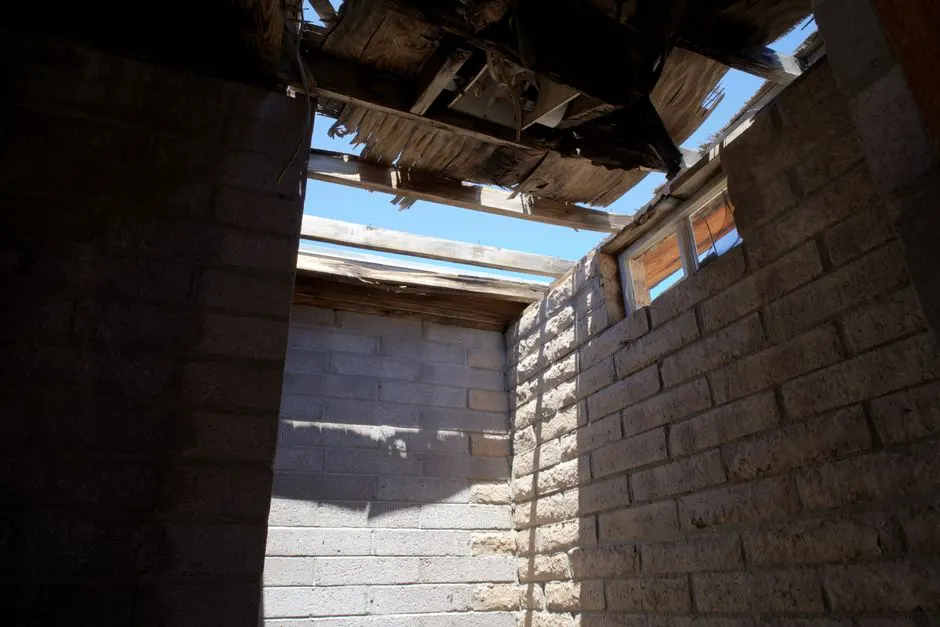
Water coming through your ceiling after a storm usually means rain has passed a damaged roof covering, flashing, vent, or roof opening and collected above the ceiling. Strong wind, hail, or heavy rain can expose a weak point, and the leak may appear indoors well after the storm has moved on. A ceiling leak is not just a roof problem: trapped water can soak insulation, framing, and drywall out of sight. We'll explain the common causes, the safe steps to take now, and how water extraction and drying limit the damage.
Water coming through ceiling after storm is a roof-related water intrusion problem that needs prompt leak control, water removal, and drying of affected building materials. Our team at Midwest Water Damage Pros handles the wet interior; a roofing professional addresses the roof opening.
Why is water coming through my ceiling after a storm?
In Illinois, water comes through a ceiling after a storm when wind-driven rain gets beneath roofing materials or enters a gap around flashing, vents, chimneys, or roof edges. Water can run along rafters before dripping, so the stain or drip inside may be several feet from the roof defect.
A brief shower can reveal a small defect, while hours of heavy rain can overwhelm a vulnerable seam. Wind gusts can lift shingle edges, and hail can bruise or crack shingles without leaving an obvious hole. Water may sit in the roof assembly until insulation is saturated; then gravity brings it through drywall, a light fixture, or a ceiling seam.
That delay explains why you might see a stain the next morning rather than during the storm. A yellow-brown ring, bubbling paint, soft drywall, or a growing bulge means water has already reached the ceiling material. We start by treating the interior water as active damage, not assuming the roof has stopped leaking.
Common storm roof leak causes in Illinois
Storm roof leak causes in Illinois include lifted or missing shingles, damaged flashing, clogged drainage paths, and rain pushed sideways by strong winds. Roofs around the Chicago area also face repeated freeze-thaw cycles that can loosen seals and expose weak details before spring rain arrives.
These are frequent entry points we look for during a storm-related ceiling leak inspection:
- Shingles and underlayment: Wind can lift, crease, or remove shingles, letting rain reach the roof deck. Hail impact can damage the surface even when the shingle stays in place.
- Flashing: Metal flashing around a chimney, skylight, wall, or roof valley can separate, corrode, or lose its seal. Water often follows the framing before it appears indoors.
- Roof penetrations: A cracked vent boot or failed seal around a pipe gives rain a direct route into the attic.
- Gutters and roof valleys: Debris can restrict drainage, allowing water to back up under roofing at an edge or valley.
- Ice and wind-driven rain: In cold weather, ice at the eaves can impede runoff; during a summer storm, wind can drive rain under a roof edge or into a vulnerable joint.
In older homes across water extraction in Chicago, additions, chimney transitions, and older flashing details deserve particular attention after a wind-driven downpour. The roof's age alone does not identify the source; a focused inspection has to trace the water path.
Our water extraction in Illinois work focuses on removing water and drying the interior after the entry point is controlled. For storm-related damage, we coordinate the cleanup side while you arrange roof repairs to prevent another rainfall from reaching the same materials.
What should you do when storm water comes through a ceiling?
When storm water comes through a ceiling in Illinois, keep people away from the wet area, shut off power to affected circuits if it is safe, and contain drips without standing beneath a bulge. Call for help if the ceiling is sagging, water is near electrical equipment, or the leak continues.
Take these steps in order, but do not climb onto a wet or storm-damaged roof:
- Protect people first. Move furniture and belongings out of the affected room. Keep children and pets away from ceiling sections that look swollen or cracked.
- Address electricity safely. If water is near a ceiling light, outlet, or wiring, avoid touching the fixture or wet surfaces. Turn off the relevant breaker only if you can reach the electrical panel on a dry route; otherwise leave the area and call for help.
- Catch water without stressing the ceiling. Put a bucket beneath a steady drip and use towels on the floor. Do not puncture a bulging ceiling unless a trained professional directs you; the water may release suddenly and the material may fall.
- Document the damage. Take photos of the ceiling, belongings, and water path from a safe position. Note when the leak started and whether it changes with rainfall.
- Arrange roof and water cleanup. A roofer can locate and repair the entry point. We can remove interior water, check affected materials, and set up drying equipment.
If you need emergency water extraction in Illinois, call as soon as the area is safe to enter. Water extraction after a roof leak is most effective before moisture spreads farther through insulation, framing, and nearby rooms.
How professionals dry a ceiling after storm damage
Professional drying after storm damage starts with finding how far water traveled, removing accessible standing water, and measuring moisture in the ceiling and nearby materials. In Illinois, the affected assembly-not just the visible stain-determines whether drying equipment alone is enough or wet drywall and insulation need removal.
Our team checks the ceiling surface, attic side when safely accessible, wall edges, and floor below the leak. We use moisture readings to compare wet areas with unaffected materials, then decide where air movement and dehumidification will help. A dry-looking patch can still conceal damp insulation or framing.
For roof leak and storm water cleanup in Illinois, the first priority is to stop ongoing water entry and extract water that has reached the interior. We then position air movers and commercial dehumidifiers according to the affected area, monitor readings, and adjust the setup as materials dry. If saturated drywall is sagging or insulation cannot dry in place, removal may be needed to reach the wet cavity.
Drying time varies with the size of the wet area, material type, temperature, and ventilation. A small, accessible area may dry in several days; a soaked ceiling cavity can take longer and require controlled removal. Indoor temperatures around 70-80°F support drying when conditions are safe, but equipment and monitoring-not household heat alone-do the work.
The roofing repair and interior drying are separate parts of a complete roof leak water damage cleanup. Until the roof opening is repaired, rain can undo interior work. We focus on the water inside your home and communicate what materials are wet, what has been removed, and what still needs to reach a dry reading.
Common mistakes that make ceiling water damage worse
Common mistakes after ceiling water intrusion in Illinois include ignoring a small stain, switching on a wet light, and assuming a stopped drip means the cavity is dry. A leak that pauses between rain bands can still leave saturated materials above the ceiling.
Do not use these shortcuts:
- Painting over the stain: Paint hides discoloration but does not dry wet drywall or remove damp insulation. A stain that returns after repainting needs investigation.
- Running a fan at a bulging ceiling: Airflow will not make an unstable, water-loaded panel safe. Keep clear and call for an inspection.
- Climbing onto the roof during or just after a storm: Wet shingles, damaged decking, and loose branches create fall and collapse risks. Leave roof access to a qualified roofing professional.
- Waiting for a musty smell: Odor is not a reliable moisture test. Hidden wet areas can remain behind drywall before you notice a smell.
Keep photos and notes, and avoid discarding damaged items before documenting them. If the ceiling is bulging, cracking, or dripping near electrical equipment, treat it as an urgent safety issue rather than a cosmetic repair.
When to call a professional for a ceiling leak
Call a water extraction professional in Illinois when a ceiling leak is active, the drywall is soft or sagging, water has reached flooring or walls, or you cannot confirm that the cavity has dried. A licensed roofer is needed to inspect and repair the roof opening; cleanup equipment cannot fix a failed flashing joint.
Call emergency services if there is a fire or immediate electrical danger. For a ceiling that is bulging or shedding material, keep everyone out of the room and do not stand beneath it to place a bucket.
Midwest Water Damage Pros can assess the affected interior, extract water, and set up drying after the leak is controlled. When you call, tell us which room is affected, whether water is still entering, and if a light or outlet is involved. That helps us prepare for the conditions in your home.
Frequently Asked Questions
Why does water come through my ceiling after a storm?
Water comes through a ceiling after a storm because rain has entered through damaged shingles, flashing, a vent seal, or another roof gap. It can travel along rafters and soak insulation before appearing indoors, sometimes hours later. A roof inspection finds the entry point; moisture checks show how far the interior damage has spread.
Should I turn off power if my ceiling is leaking?
Yes-turn off the affected circuit at the breaker if you can reach the panel safely without crossing a wet area. Never touch a wet light, switch, or ceiling fixture. If the electrical panel or path to it is wet, leave the area and contact emergency help or an electrician.
How quickly should roof leak water be removed?
Remove accessible standing water as soon as the area is safe, ideally within 24 hours. Prompt extraction limits how long water sits on floors and furnishings, but ceiling cavities also need inspection and drying. Do not delay because the dripping stopped; trapped moisture can remain above the visible stain.
Can a small ceiling leak cause hidden water damage?
Yes. Even a small leak can wet insulation, wood framing, and drywall behind the visible mark. If a stain grows, paint bubbles, or the area feels soft, arrange a moisture inspection promptly. The visible ceiling may represent only part of the wet area.
How long does it take to dry a ceiling after storm damage?
A small, accessible wet area may take several days to dry, while a saturated ceiling cavity can take longer. Drying time depends on the amount of water, the materials involved, and whether wet insulation or drywall must be removed. Moisture readings help confirm progress rather than relying on touch or appearance alone.
Get help with water extraction in Illinois
If a storm has left water coming through your ceiling, Midwest Water Damage Pros can help remove interior water and dry affected materials after the roof entry point is controlled. Call 8337200038 to discuss the leak and arrange water extraction.