




Residential Water Extraction for Mount Prospect Homes
Mount Prospect homes include finished basements, utility rooms, and living spaces where a small leak can affect more than the visible floor. Many households rely on sump pumps, and heavy rain or snowmelt can put lower levels under pressure. We remove water from plumbing leaks, appliance failures, stormwater, and basement floods, then check flooring, baseboards, and drywall for trapped moisture. Our water extraction services in Mount Prospect, Illinois, are planned around your home layout, family access, and the materials affected. We keep walk routes clear where possible and explain what can be used while drying equipment runs. If a child, older adult, or pet is in the home, tell us so we can arrange a practical work zone.
- Finished basement water removal — We extract standing water from finished basements and check carpet padding, baseboards, and wall edges for moisture. In Mount Prospect, many lower levels contain stored belongings alongside living space, so we establish a clear work path and identify which items need to move before drying equipment is placed.
- Appliance leak extraction — A dishwasher, washer, or refrigerator line can leak beneath cabinets and into adjacent flooring. We remove water, inspect the edges around the appliance, and check nearby materials. Mount Prospect homeowners can help by shutting off the supply if safe and telling us how long the leak ran.
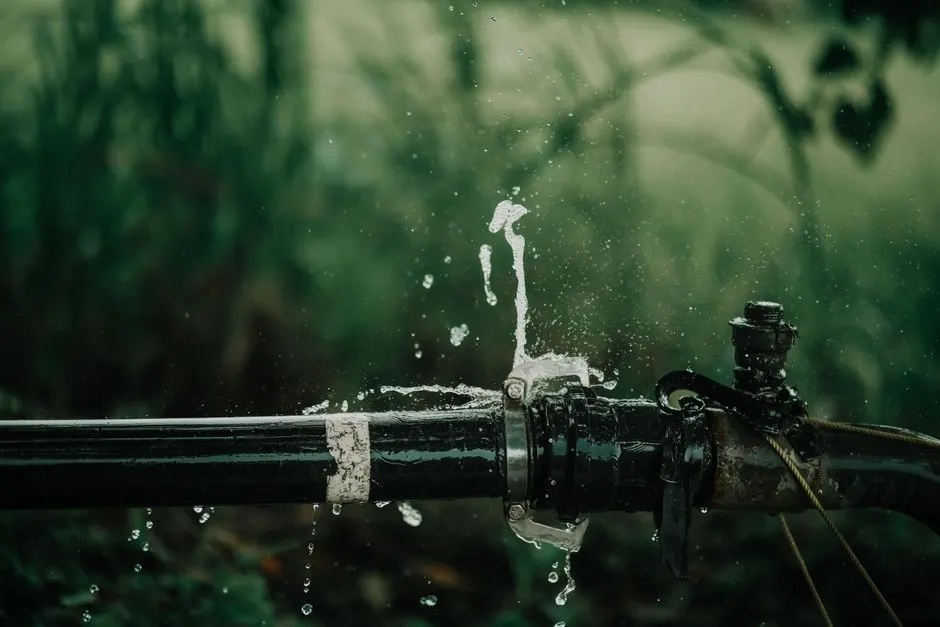
- Pipe break water cleanup — For a burst or frozen pipe, we extract water after the source is controlled and inspect the route through walls and ceilings. We coordinate the drying area with plumbing repair access so your home remains workable. Cold-weather losses need prompt attention because insulation can hold water out of sight.
- Sump pump overflow response — When a sump pump fails, we remove standing water and check the floor perimeter and stored contents. We ask whether the pump stopped, lost power, or could not keep up, then document affected materials. Mount Prospect residents should avoid wet electrical areas and leave the pit inspection to a safe setting.