

Residential Water Extraction in Gurnee Homes
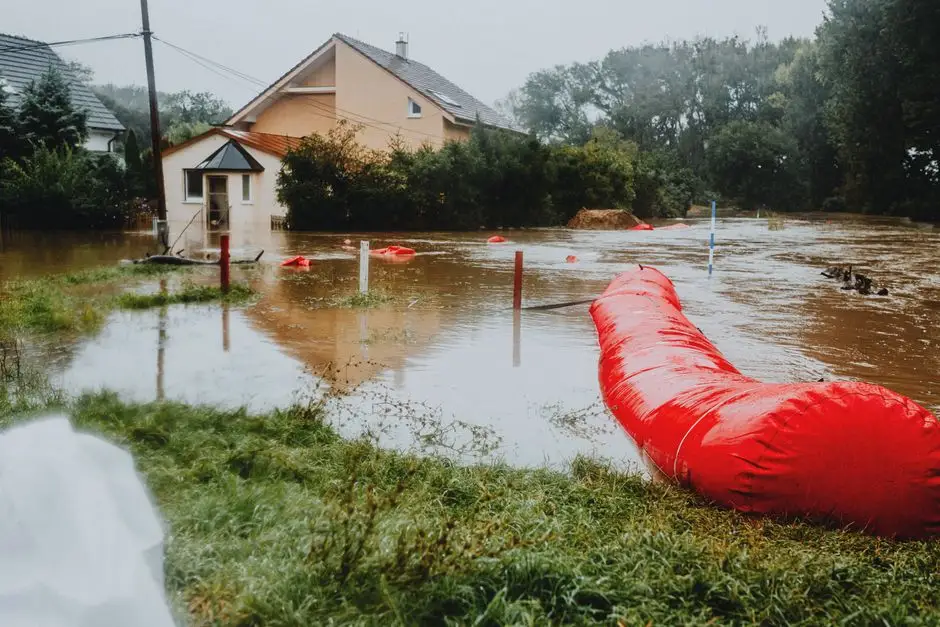
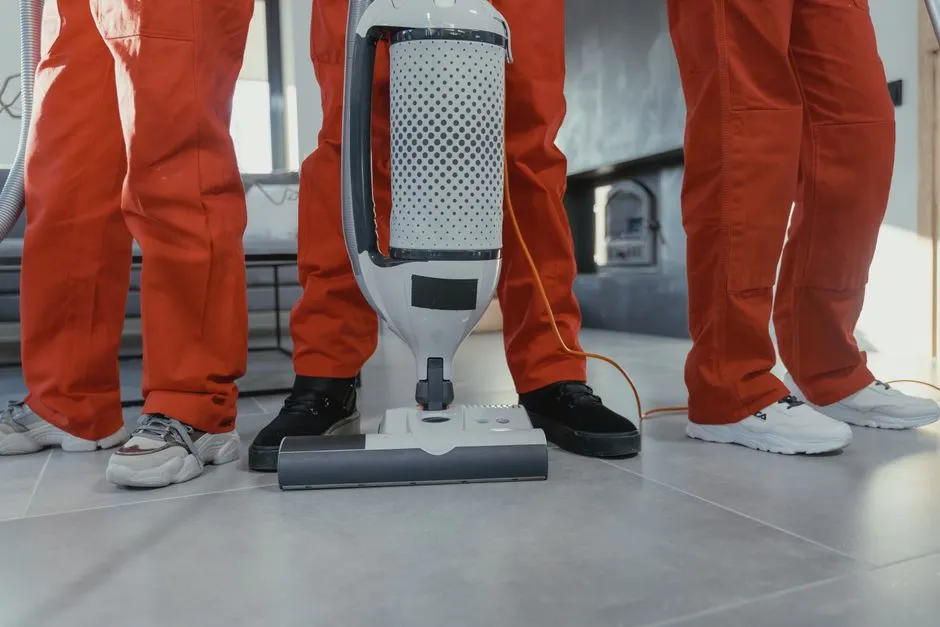
Gurnee homes range from established houses with basements to townhomes and newer residential layouts with finished lower levels. A water loss can start with a washing machine hose, a water heater, a plumbing leak, or a sump pump that stops during a storm. We remove standing water, inspect the affected route, and check materials that often hold moisture, including carpet padding, baseboards, and drywall. For your household, the goal is a dry, safe path through the home and a clear explanation of which areas need monitoring. We plan equipment around stairs, storage, pets, and daily routines, then use readings to track drying rather than relying on appearance alone.
- Finished basement water removal — We remove water from finished basements in Gurnee homes and check the floor, carpet edges, lower drywall, and stored contents. If the sump pit overflowed, we assess the area around it before setting drying equipment. We keep stairs and access to mechanical equipment clear while cleanup proceeds.
- Burst pipe cleanup at home — A burst pipe can affect rooms beyond the point where water becomes visible. In Gurnee, we trace the water path through ceilings, walls, and floors after the leak is stopped, then extract water and measure affected materials. You get a practical plan for equipment placement and follow-up checks.
- Appliance leak extraction — Dishwasher, laundry, and water-heater leaks can spread under cabinets or flooring before you spot them. We extract accessible water, inspect adjacent floor edges, and check whether carpet padding or other porous materials remain damp. Our readings help determine what needs additional drying in your Gurnee home.
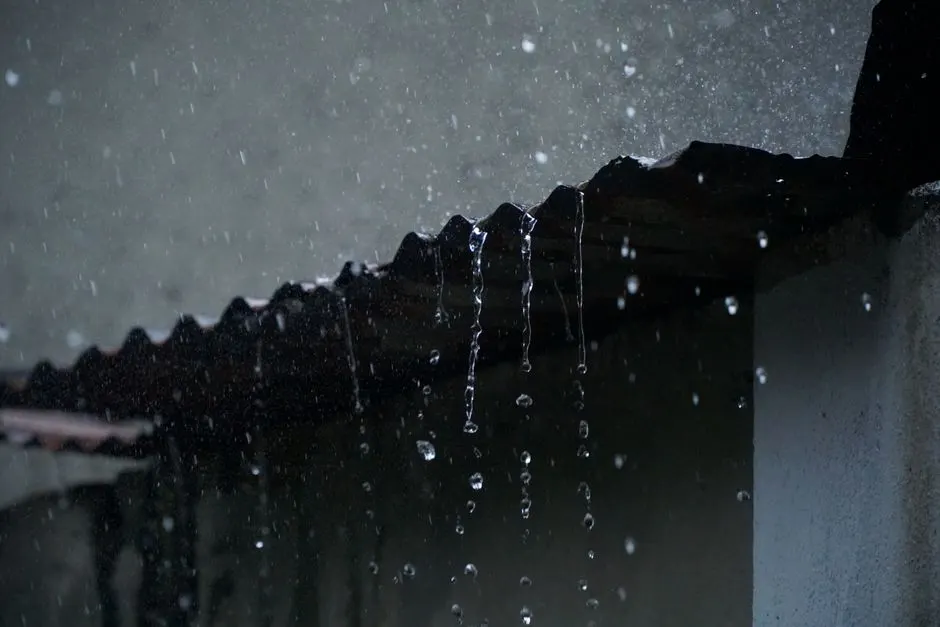
- Storm and roof leak cleanup — After a Gurnee storm, water may enter through a roof opening and travel along a ceiling before dripping indoors. We remove water from affected floors, check the area beneath the entry, and place drying equipment according to moisture conditions. Keep people away from sagging ceiling material while the source is addressed.