




Residential Water Extraction for Sycamore Homes
Sycamore homes range from older houses near the central square to newer detached homes with finished lower levels. A basement leak can affect carpet, stored belongings, drywall, and the route to the utility area; an appliance leak can quietly spread beneath kitchen flooring. We inspect the source and the materials rather than assuming the visible puddle is the full problem. Water damage restoration begins with extraction and continues with drying based on moisture readings. We protect unaffected rooms, explain which areas need equipment, and keep household access in mind. If you have children, pets, or a home office, tell us which rooms must remain accessible so we can stage hoses and drying equipment accordingly.
- Finished basement water removal — We remove standing water from Sycamore basements and check the floor perimeter, carpet padding, and lower drywall for retained moisture. If the room contains stored belongings, we separate wet items from dry areas and keep pathways clear. Pumping and extraction methods are selected for water depth and stair access.
- Frozen pipe cleanup at home — A burst line can wet more than the room where it breaks. In Sycamore homes, we trace the water path through ceilings, walls, and lower floors, then extract pooled water and check affected materials. We coordinate the drying sequence with the plumbing repair so wet cavities are not closed too early.
- Appliance leak extraction — A dishwasher or washing-machine leak can soak flooring beneath cabinets before it reaches an open area. We extract accessible water, inspect the toe-kick and nearby baseboards, and measure moisture at the floor edges. Sycamore homeowners get a clear explanation of what is wet and what needs continued drying.
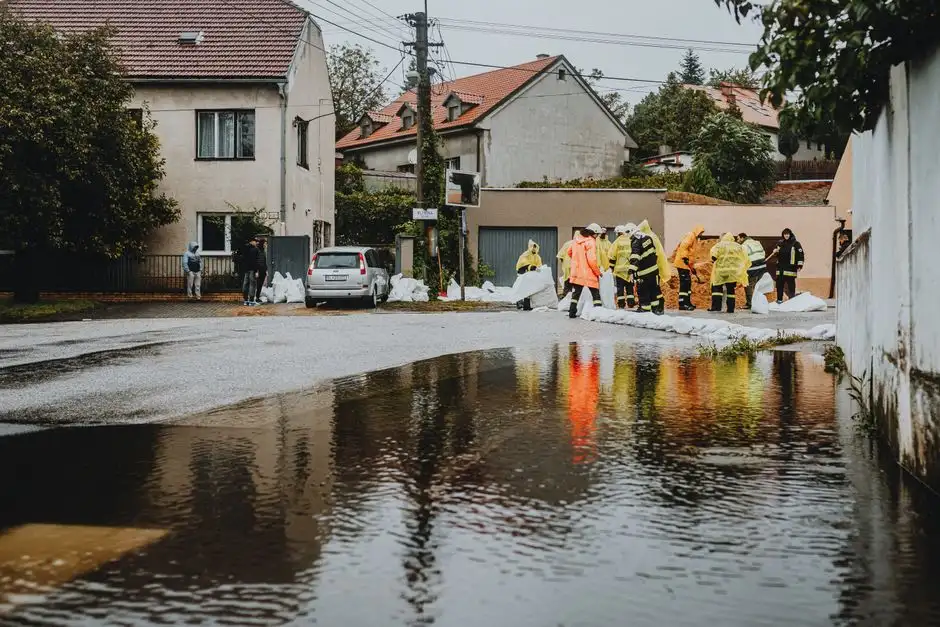
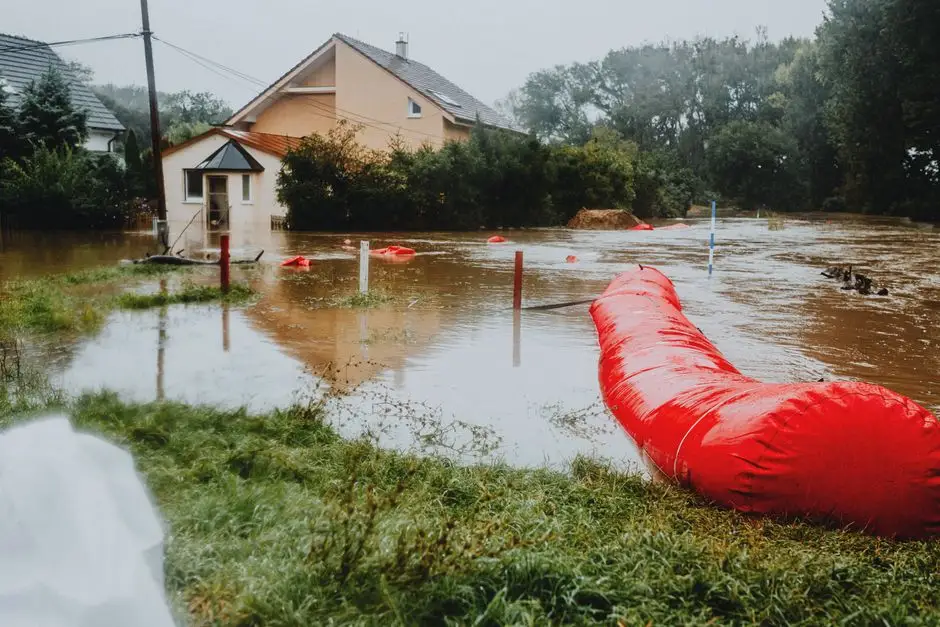
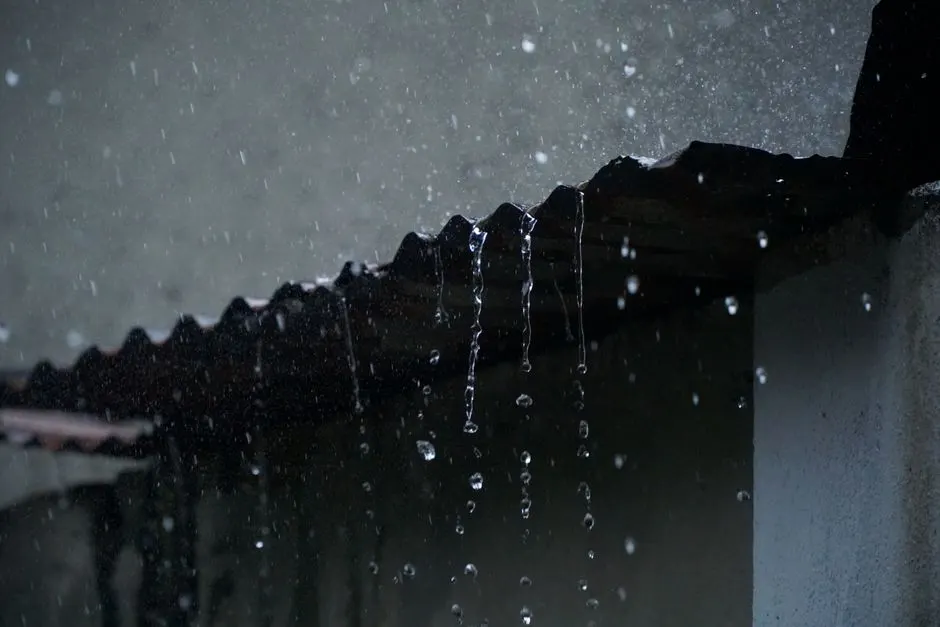
- Storm and roof leak cleanup — When rain enters through a roof opening, water can reach insulation, ceilings, and rooms below. We remove indoor water and check the affected surfaces while the roof repair is handled. In Sycamore homes, early assessment helps distinguish a surface stain from materials that remain wet behind the finish.