
Residential Water Extraction in Harvey
Harvey homes range from older houses with basements to apartments and multifamily properties, so a water loss can affect several materials at once. A burst pipe may wet a ceiling and the room below; a failed sump pump can soak stored items, carpet padding, and lower drywall. We ask where the water started and which rooms are affected, then extract standing water and check the surrounding materials. For water damage restoration, you need to know what is wet beyond the visible puddle. We use readings to guide the next drying step and explain what we find in plain language.
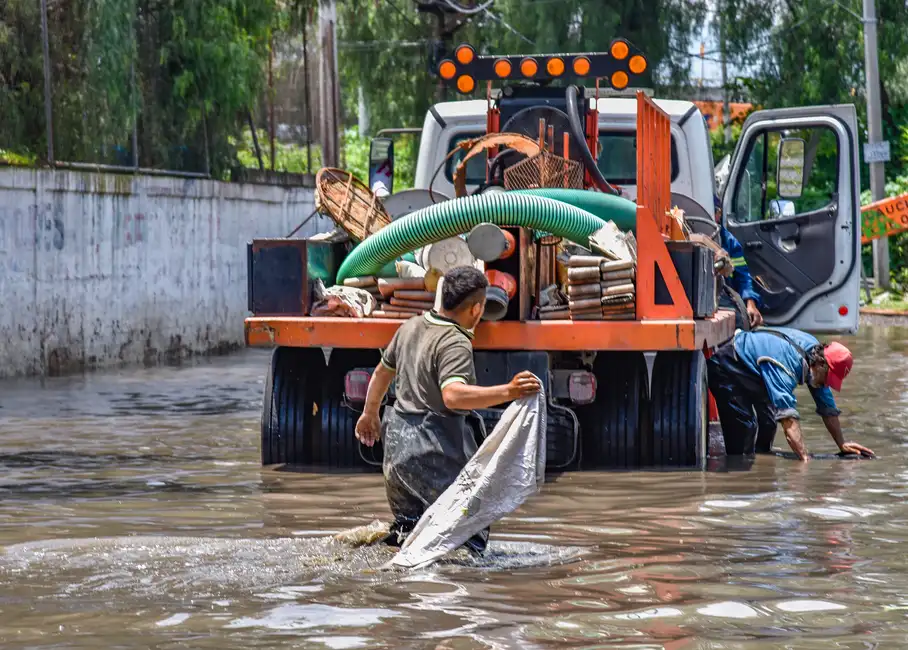
- Basement water removal — If your Harvey basement has standing water after rain or a pump failure, we assess depth and safe access before starting. We use a pump for deeper water when needed, then remove remaining surface water and check floor edges. Tell us whether carpet, stored belongings, or finished walls are in the affected area.
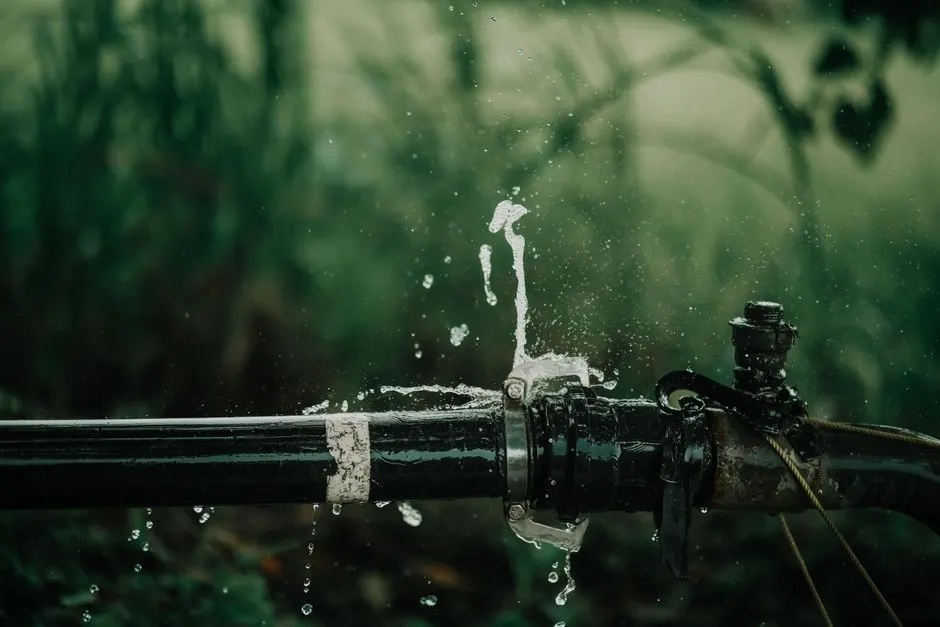
- Burst pipe cleanup — A burst pipe can send water through a wall or ceiling before you see it on the floor. In Harvey homes, we check the source room and adjoining spaces, extract accessible water, and take readings at affected materials. We help you prioritize the leak area and the rooms below it.
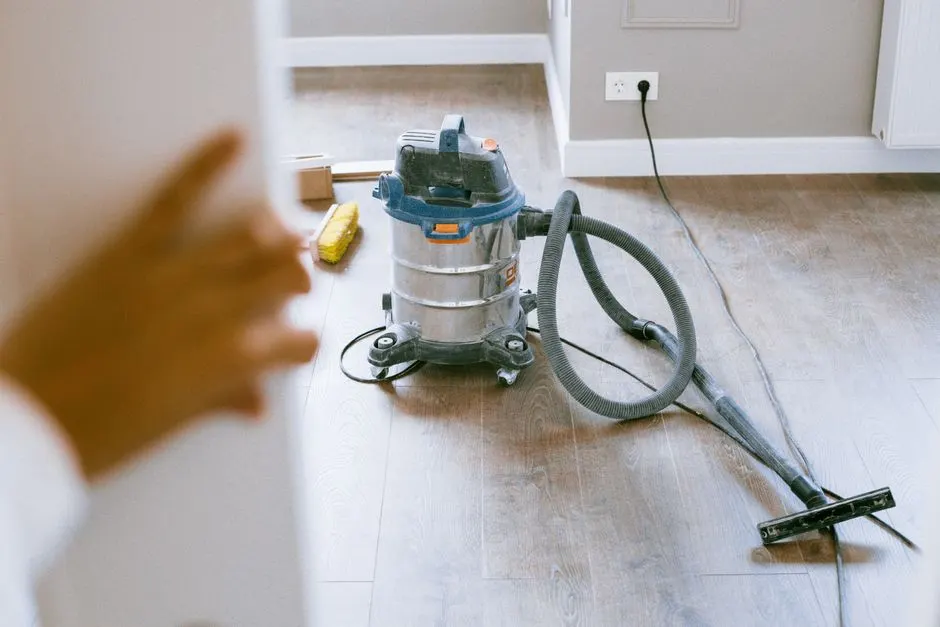
- Appliance leak extraction — A leaking washer, dishwasher, or refrigerator line can spread beneath cabinets and flooring. We remove visible water from your Harvey home, inspect baseboards and nearby flooring, and check for moisture that may not show on the surface. Clear access to the appliance shutoff helps limit further water release.
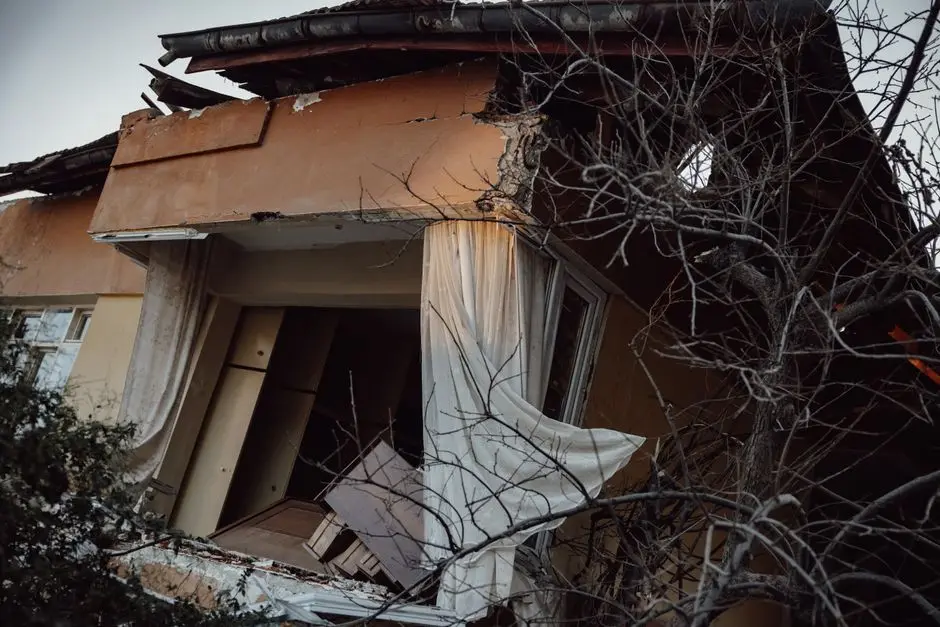
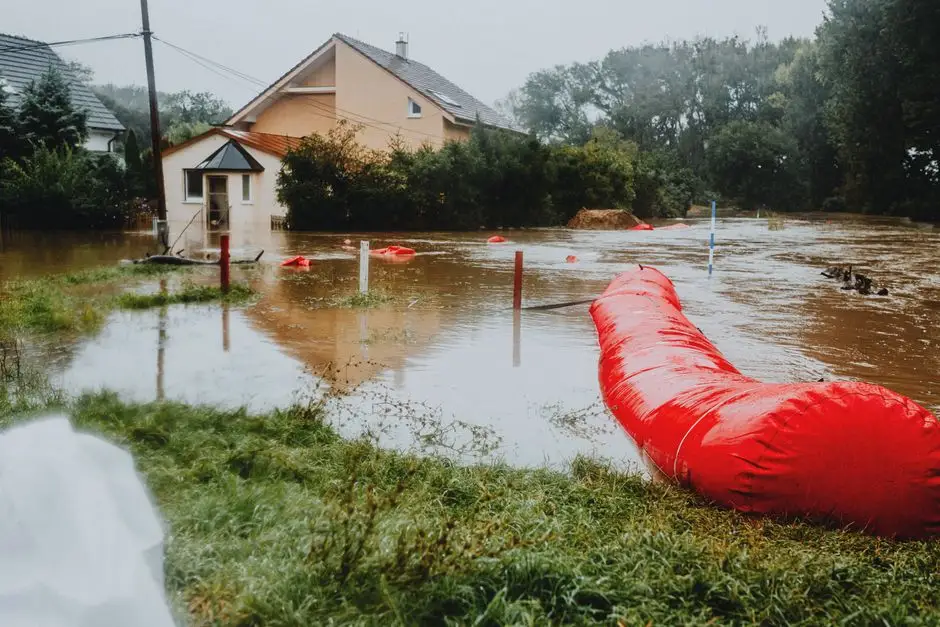
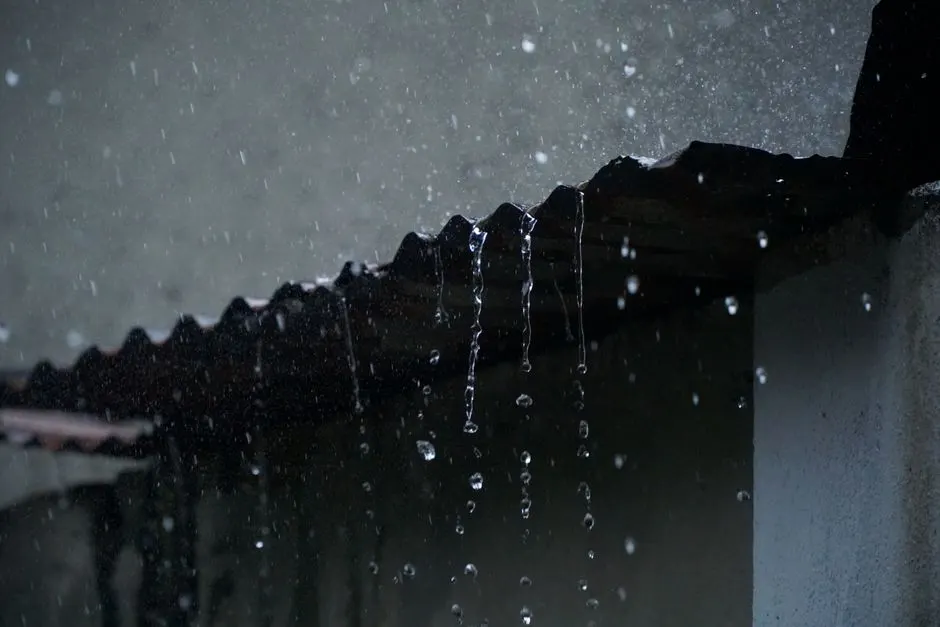
- Stormwater and roof leak cleanup — After a Harvey storm, water can enter at the roof and travel along framing before it stains a ceiling. We check for sagging materials, remove accessible water, and identify the affected area. Keep people clear of an unstable ceiling while the opening and interior damage are addressed.