Residential Water Extraction in Woodstock
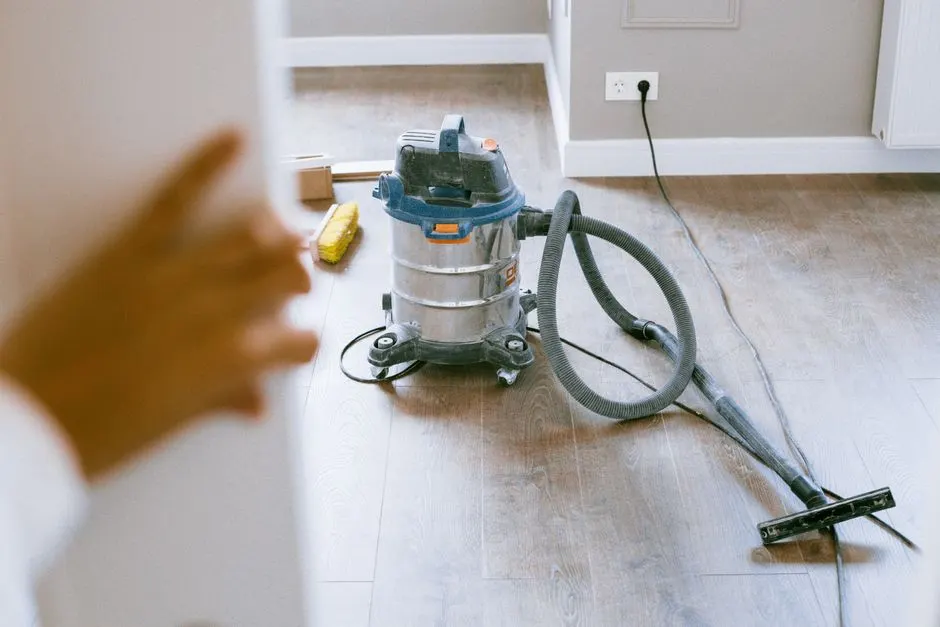
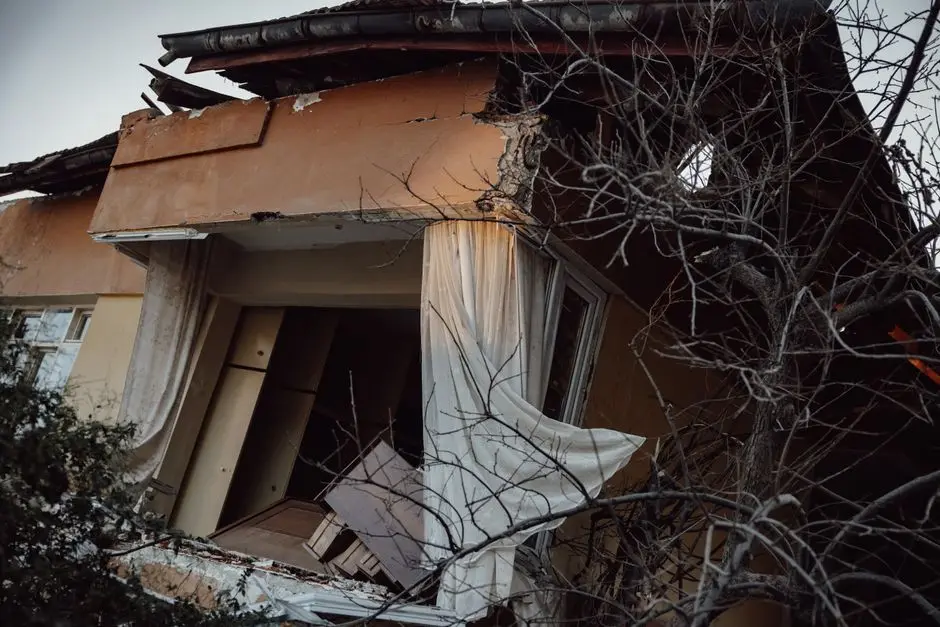
Woodstock homes range from older properties near downtown to newer houses with finished basements and modern utility rooms. Each layout changes how we get equipment inside and where water may travel. A small appliance leak can move under kitchen flooring; a sump pump failure can affect carpet, stored belongings, and lower drywall. We start by finding the source and removing standing water, then check the adjacent materials instead of treating the visible puddle as the entire loss. For your family, that means clear access planning, practical updates, and a drying setup matched to the rooms affected. Water damage restoration follows the extraction when materials remain damp and need monitored drying.
- Finished basement water removal — We remove standing water from Woodstock finished basements and check the carpet edge, baseboards, and lower wall surfaces. Equipment placement accounts for stairs and the path your household needs to use. If the water reached stored items or a utility area, we separate those concerns and explain the next drying check.
- Kitchen and laundry leak cleanup — Dishwasher and washer leaks can spread under cabinets and flooring before you see a large puddle. We extract accessible water, check nearby transitions, and use moisture readings to see whether water moved beyond the appliance area. Woodstock homeowners get a clear description of the affected footprint and drying steps.
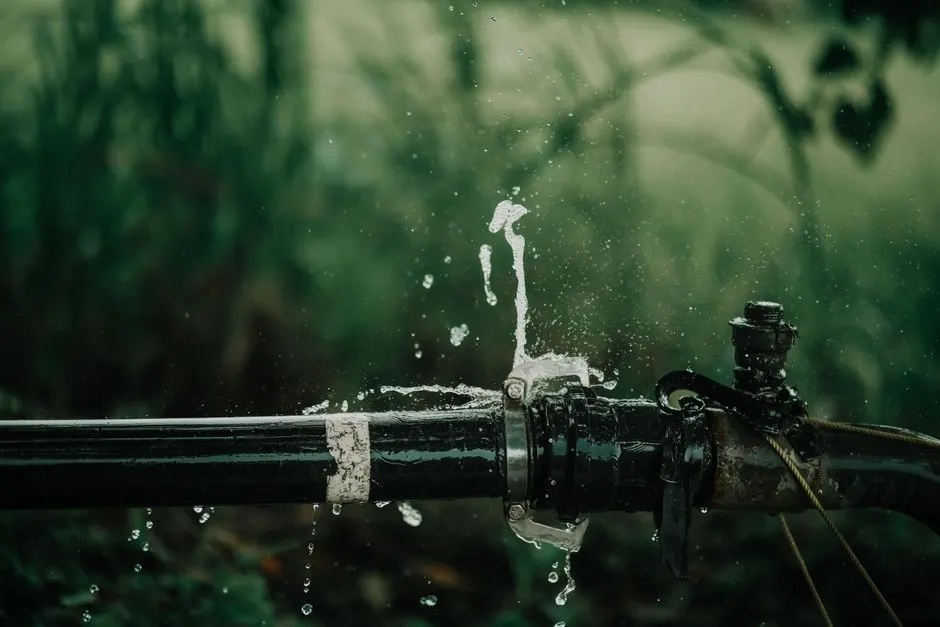
- Frozen pipe water cleanup — If a Woodstock pipe breaks during winter, we remove water after the plumbing source is stopped and inspect the rooms below or beside the leak. Moisture can reach insulation and wall edges. We map accessible wet areas, place drying equipment, and return to compare readings.
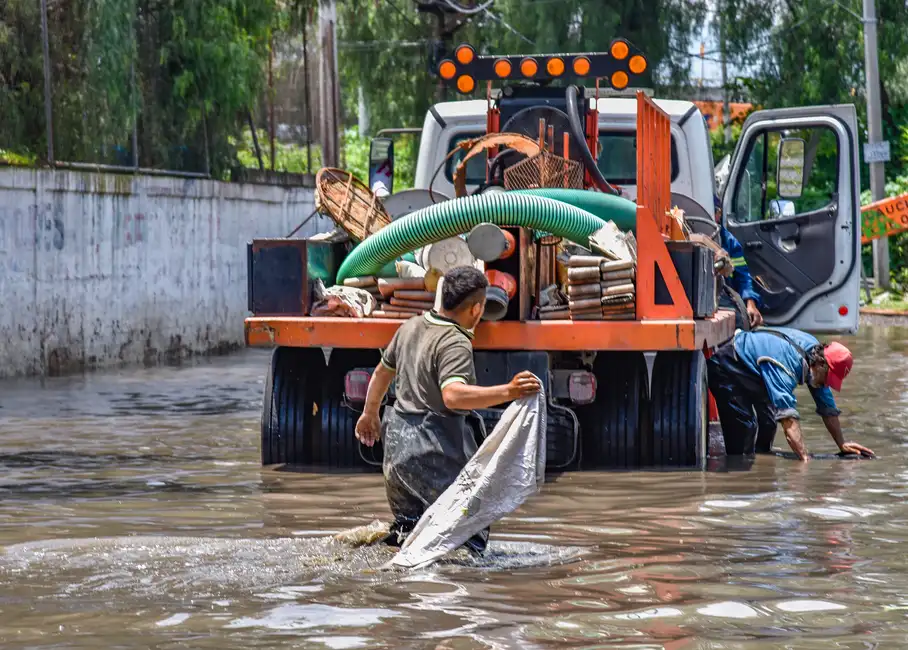
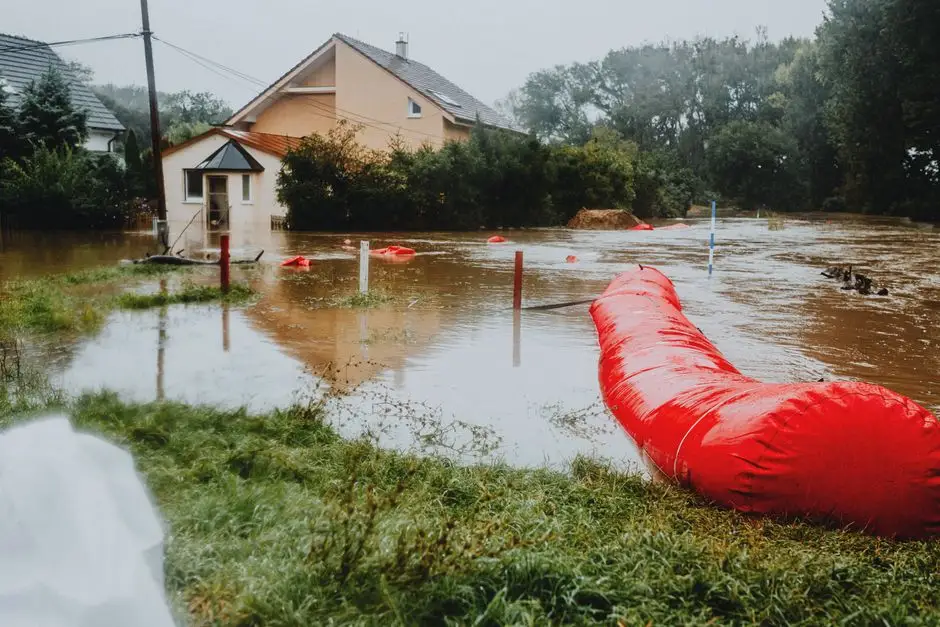
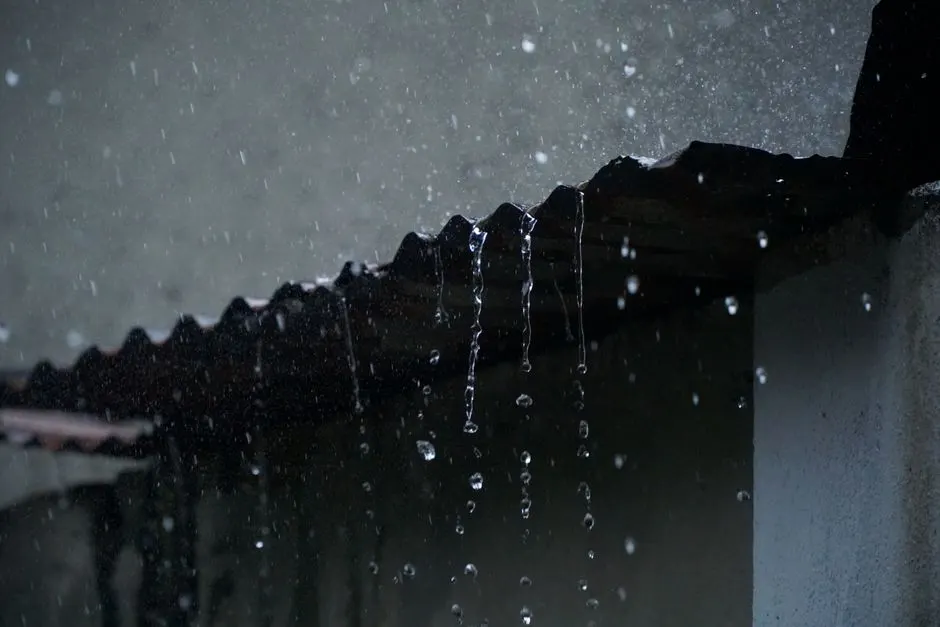
- Stormwater entry extraction — After heavy rain, we remove water that enters a Woodstock lower level and determine whether debris or contamination changes the cleaning method. We check the entry area and nearby floor and wall edges. The work focuses on extraction first, then cleaning and drying of affected materials.