
Residential Water Extraction for Evanston Homes
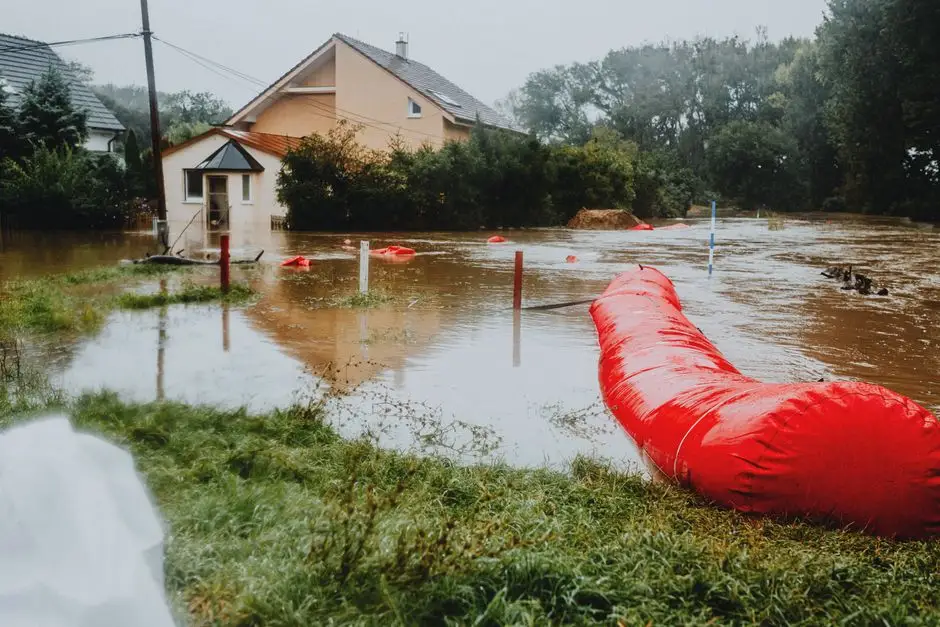
Residential water extraction in Evanston often starts in a basement, kitchen, laundry area, or ceiling after a pipe or appliance leak. The city's housing includes older single-family homes and vintage multi-unit buildings, where water can move through floors and shared walls before it becomes visible. We remove standing water, check the affected rooms, and identify what needs drying so your household can use unaffected spaces where safe. Water extraction services in Evanston, Illinois, are planned around your floor coverings, access, and the source of the water. If a sump pump fails, we address pooled water first and then inspect the floor perimeter and lower walls. For a leak in an occupied building, we coordinate with residents or the property manager and keep common routes clear. We explain what equipment is running and why, then return to check readings rather than relying on appearance alone.
- Finished basement water removal — We remove basement water in Evanston homes using pumping and extraction equipment matched to the water depth. After the floor is accessible, we inspect carpet padding, lower drywall, and stored belongings for wetting. You get a drying plan based on the room's measured moisture, not just the visible puddle.
- Kitchen and appliance leak cleanup — A dishwasher or refrigerator leak can spread beneath cabinets and into the next room. We extract accessible water, check cabinet edges and flooring, and look for moisture that has moved beyond the appliance footprint. That helps you address hidden wet areas before replacing finishes.
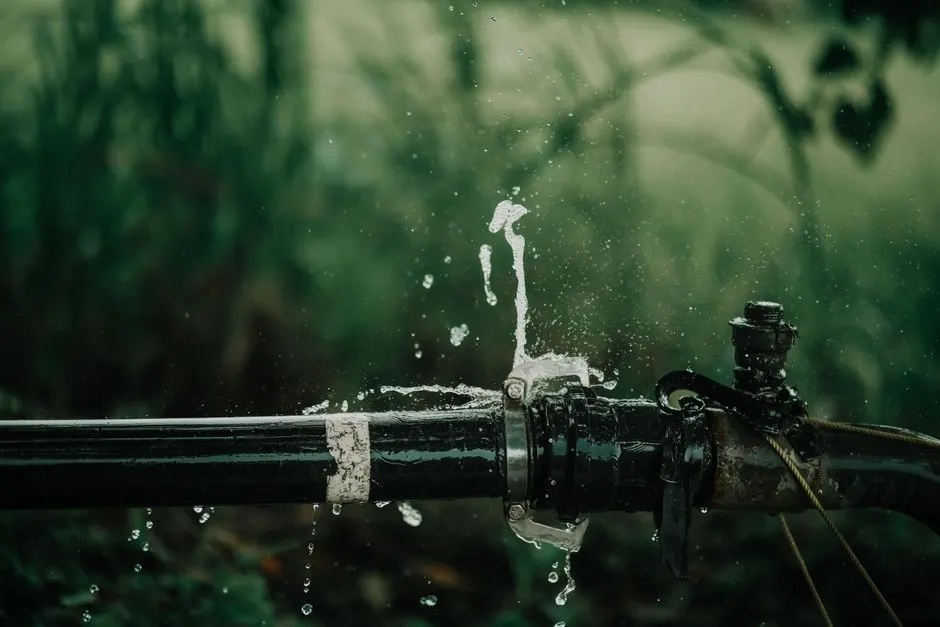
- Burst pipe interior cleanup — When a pipe opens in an Evanston home, we remove water along its route through walls, floors, and rooms below. We check adjoining areas and use readings to decide where drying equipment belongs. You can expect a clear explanation of the affected materials and immediate next steps.
- Storm leak room drying — Wind-driven rain can dampen a ceiling, wall, or upper-floor room. We protect nearby belongings, remove accessible water, and map moisture around the visible stain. After the roof source is addressed, we monitor the affected assembly so you know whether drywall or insulation remains wet.