
Residential Water Extraction in Palatine Homes
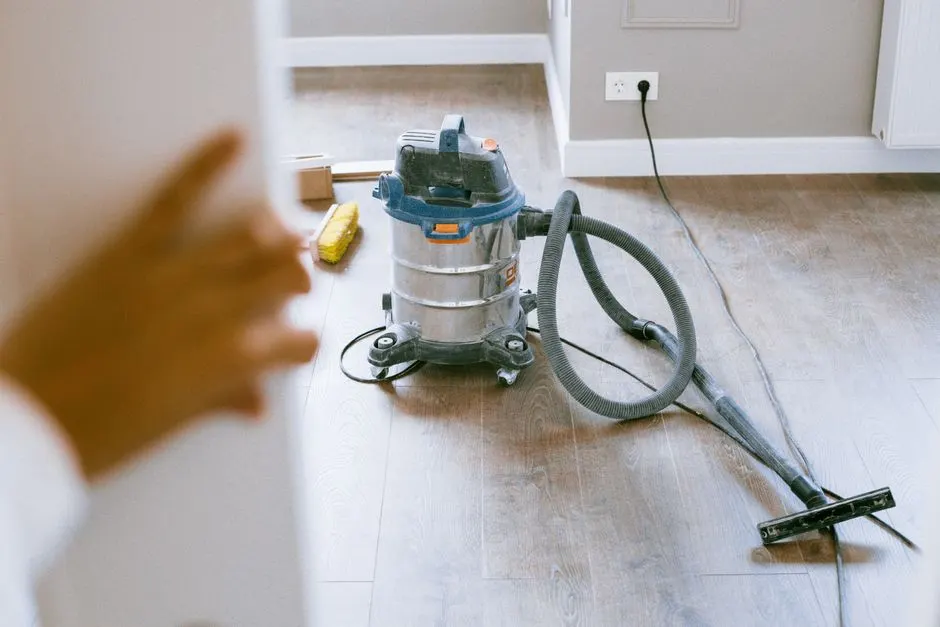
Palatine homes include finished basements, utility rooms, carpeted lower levels, and living spaces where a small leak can affect more than one floor. A sump pump failure, frozen pipe, or appliance water leak often leaves the visible water only part of the problem. We remove standing water, check nearby materials, and set drying equipment to the readings we find. For Palatine water damage cleanup, we pay close attention to carpet padding, drywall, baseboards, and flooring edges, where moisture can remain after the surface appears dry. We work around your family's access needs and keep clear routes through the home. Tell us which rooms are affected and whether water is still entering; that helps us prepare for the first visit.
- Finished basement water removal — We extract water from Palatine basement floors, inspect carpet padding and lower drywall, and check whether water reached storage or adjoining rooms. If water is still entering, we address that condition before setting drying equipment. Keep children and pets away from standing water until the area has been assessed.
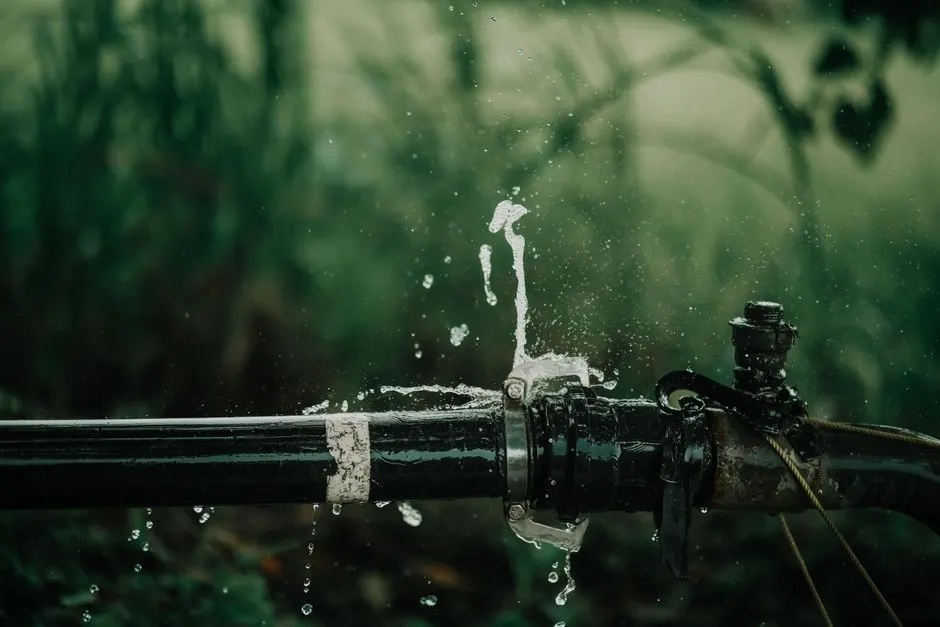
- Pipe and ceiling leak extraction — A plumbing leak can wet ceilings, walls, and floors across separate rooms. In Palatine homes, we trace the visible path, check nearby surfaces with a moisture meter, and extract accessible water after the source is controlled. We explain which areas need monitoring so you can plan around the work.
- Appliance leak cleanup — Dishwasher, washing machine, and refrigerator-line leaks can move beneath cabinets or hard flooring. We remove water, inspect the appliance area and neighboring surfaces, and measure moisture at floor edges. This helps prevent a small leak in your Palatine kitchen or laundry area from being treated as only a surface spill.
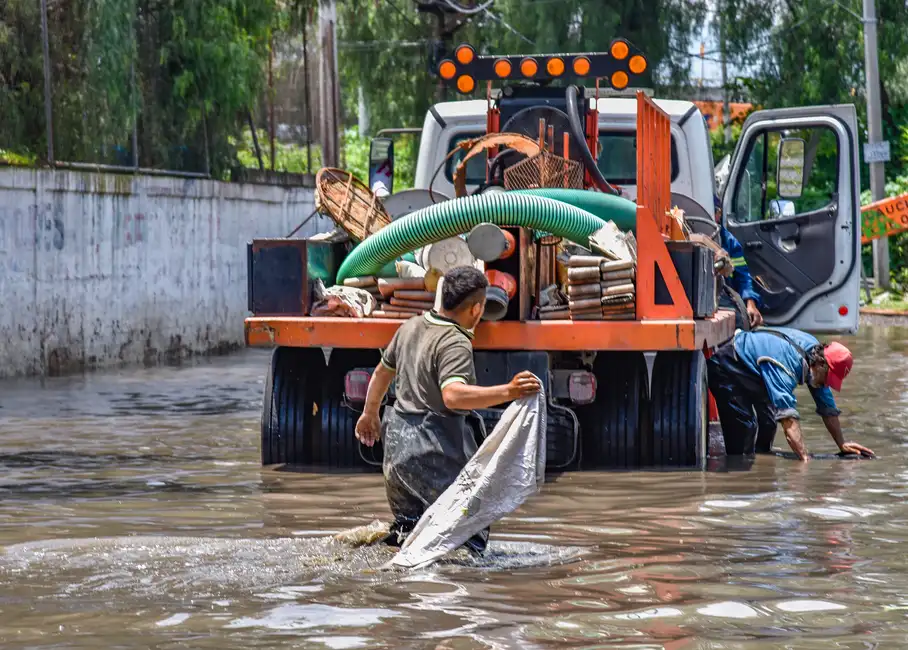
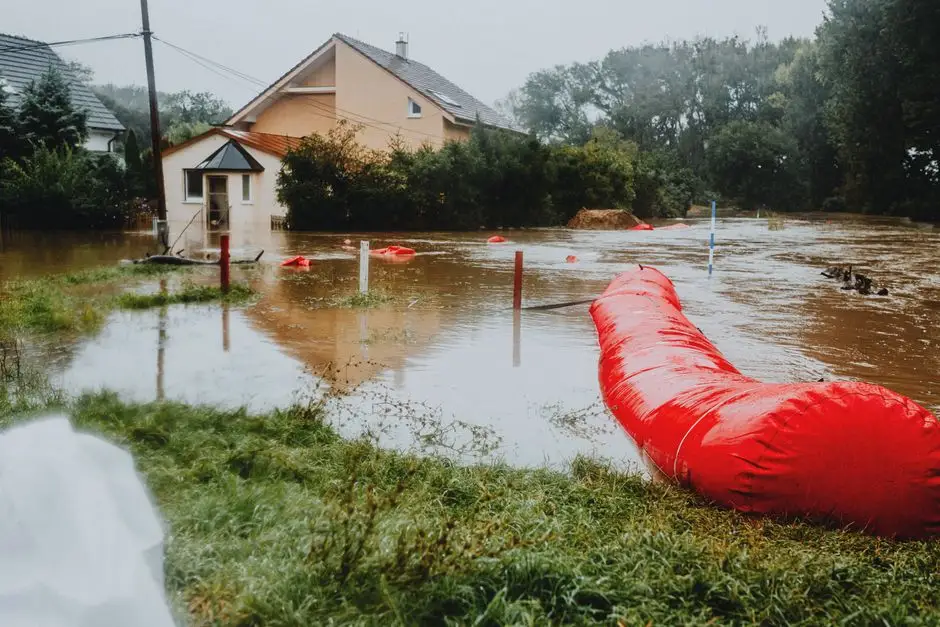
- Storm and sump pump cleanup — When rain or snowmelt overwhelms a basement pump, we remove standing water and assess the floor, wall edges, and affected contents. Palatine homeowners should avoid entering water near electrical equipment. Once conditions are safe, we place drying equipment according to moisture readings and continue monitoring affected areas.