




Logo
Get Estimate

Water extraction in Lake in the Hills, Done Right

For water extraction in Lake in the Hills, Midwest Water Damage Pros removes standing water, checks affected materials, and sets drying equipment based on measured moisture. From a sump pump failure near Randall Road to a burst pipe in a finished basement, we help protect floors, walls, and belongings. Our emergency water extraction starts with locating the water source and making the area safe, then moves into removal and a documented drying plan.

Call for Help Request Service
Emergency service Service area Moisture checks
Licensed Licensed & Bonded
Fully Insured Insured & Bonded
24/7 Emergency Same-Day Response
Warranty Backed Workmanship Guaranteed in Lake in the Hills
Lake in the Hills

Water Extraction in Lake in the Hills


Water extraction in Lake in the Hills is a water-removal service that clears standing water after leaks, backups, or flooding so affected building materials can be assessed and dried. We serve homes and businesses across Lake in the Hills, from properties near the downtown area and Randall Road to neighborhoods by Lake in the Hills Fen and Woods Creek. Finished basements are common work spaces in the area, and a small amount of water on a concrete floor can spread under carpet, into carpet padding, and along baseboards before it looks severe.

Our crew handles emergency water extraction, basement water removal, and flood cleanup and water removal. We use a moisture meter to check floors and walls rather than relying on touch alone. If water has reached wall cavities or insulation, we identify the affected area and explain the practical next step. You get a clear account of what is wet, what is being removed, and what drying equipment is running.

  • Locally licensed and insured in Lake in the Hills
  • Same-day diagnostics and written estimates
  • Real workmanship warranty in writing
  • Background-checked, in-house technicians

Water Removal Services for Local Properties

Water damage in Lake in the Hills often starts out of sight: behind a basement wall, under a dishwasher, or beneath a utility-room floor. If you are asking how to remove water from a flooded basement in Lake in the Hills, begin by keeping people away from wet electrical areas and stopping the source only if it is safe. Our team extracts standing water, checks adjoining rooms, and adjusts the drying approach to the materials and the amount of moisture. We also handle contaminated water and weather-related intrusion, with safety and containment based on the conditions found.

Emergency Water Extraction

Emergency Water Extraction

When water is spreading through a Lake in the Hills home, we locate the source, assess electrical and contamination risks, and remove standing water with extraction equipment. For a finished basement near Randall Road or a first-floor kitchen in a subdivision, we check connected rooms and take moisture readings before placing drying equipment.

View Details
Water Damage Restoration

Water Damage Restoration

Water damage restoration in Lake in the Hills begins with water removal and a room-by-room moisture check. We identify wet drywall, carpet padding, baseboards, and other affected materials, then set a drying plan that fits the home. You receive straightforward updates about what can be dried in place and what needs removal.

View Details
Flood Cleanup and Water Removal

Flood Cleanup and Water Removal

After stormwater intrusion or interior flooding, we clear water and debris from Lake in the Hills properties, including basements and ground-level rooms. We separate clean water from potentially contaminated water, protect unaffected areas, and use extraction and drying equipment suited to the location and volume.

View Details
Basement Water Removal

Basement Water Removal

Lake in the Hills basements often hold finished flooring, storage, and mechanical equipment, so water needs careful removal before it reaches more materials. We pump deeper water, extract surface moisture, inspect walls and floor edges, and determine whether carpet padding or drywall has absorbed water.

View Details
Sump Pump Failure Cleanup

Sump Pump Failure Cleanup

If a sump pump stops during heavy rain or snowmelt, we remove water from the affected Lake in the Hills basement and check how far it has traveled. We address standing water first, then measure moisture around the perimeter and advise what needs drying after the pump is repaired or replaced.

View Details
Sewage Backup Cleanup and Extraction

Sewage Backup Cleanup and Extraction

A sewage backup requires controlled extraction and separation from clean-water areas. In Lake in the Hills homes, we restrict access to affected rooms, remove contaminated water and unsalvageable porous materials as appropriate, and clean surfaces with an antimicrobial disinfectant used according to its label.

View Details
Burst Pipe and Plumbing Leak Cleanup

Burst Pipe and Plumbing Leak Cleanup

For a burst pipe or plumbing leak, we extract water from affected rooms after the leak is stopped. We check cabinets, nearby flooring, basement ceilings, and wall edges in Lake in the Hills properties, where a leak on one level can wet the ceiling and finishes below.

View Details
Frozen Pipe Water Damage Cleanup

Frozen Pipe Water Damage Cleanup

Winter pipe breaks can release water quickly into a utility room, basement, or exterior-wall area. We remove water from Lake in the Hills homes, inspect the route of the pipe for hidden wet materials, and use measured drying rather than closing a wall before it is dry.

View Details
Appliance Leak Water Cleanup

Appliance Leak Water Cleanup

A refrigerator line, dishwasher, or washing machine can leak unnoticed until water reaches adjacent flooring or a room below. We extract water in Lake in the Hills homes, check under nearby cabinets and appliances where accessible, and measure the floor to find moisture that is not visible.

View Details
Roof Leak and Storm Water Cleanup

Roof Leak and Storm Water Cleanup

When wind-driven rain or a roof leak reaches a Lake in the Hills attic, ceiling, or upper room, we remove water from affected surfaces and identify wet insulation and drywall. Once the leak is controlled, we set drying equipment and check adjoining areas for moisture migration.

View Details
Emergency Water Extraction in Lake in the Hills
Service · #1

Emergency Water Extraction in Lake in the Hills


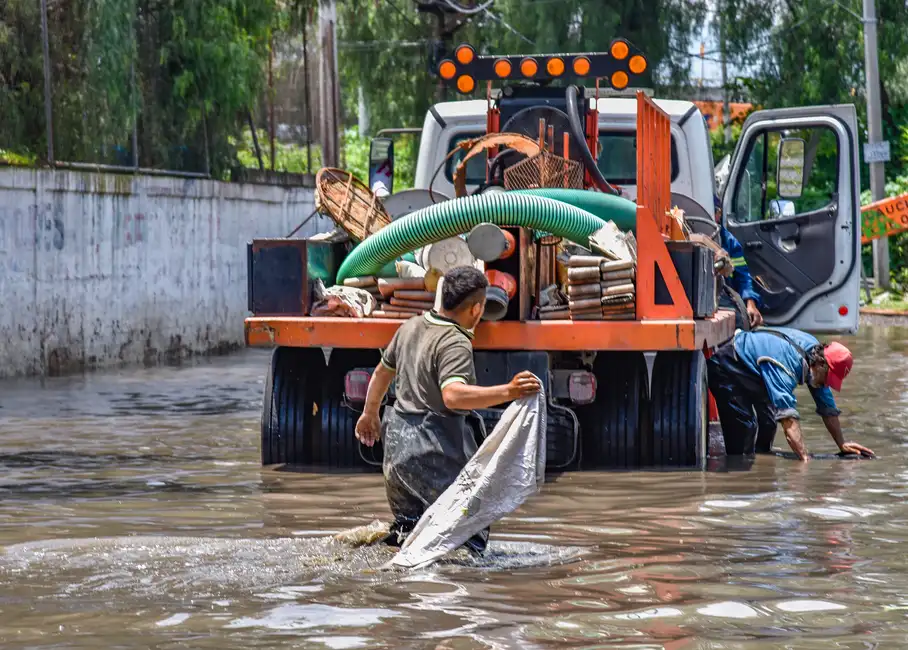
For water extraction in Lake in the Hills, Midwest Water Damage Pros responds to sudden indoor flooding with equipment sized to the affected rooms. We serve homes near Woods Creek Lake, older properties around downtown, and newer subdivisions where a failed supply line or heavy rain can soak finished floors. Our crew removes standing water promptly, checks vulnerable materials, and explains the next drying steps before restoration work begins.

Fast Onsite Water Removal

Technicians assess water depth, access, and affected flooring before selecting pumps or extraction tools. In Lake in the Hills homes, water can spread from a utility room into finished basement spaces, so we trace the wet area rather than stopping at the visible puddle. Our emergency water removal service prioritizes safe access and practical equipment placement while limiting disruption to the household.

Protecting Finished Basements

Many local homes use basements for recreation, storage, or home offices, with carpet and drywall vulnerable to prolonged moisture. We extract water from accessible floor surfaces and identify areas needing focused drying. During wet spring weather near Woods Creek Lake, prompt removal helps reduce the chance that damp materials remain hidden beneath rugs, furniture, or stored belongings.

Clear Drying Handoff

After extraction, we document affected rooms and discuss what should happen next, including moisture checks and drying equipment where needed. Our team takes care around personal property and keeps pathways clear in compact utility areas. Whether a leak affected a ranch home or a newer two-story house, Lake in the Hills customers receive a straightforward account of completed work and remaining concerns.

  • Remove standing water from accessible floors and finished basement areas.
  • Identify affected rooms and record visible water intrusion conditions.
  • Position extraction equipment to reach wet flooring and low areas.
  • Explain recommended drying steps and immediate property precautions.

Water Damage Restoration in Lake in the Hills


Water damage restoration in Lake in the Hills calls for careful coordination from initial inspection through drying and repairs. Midwest Water Damage Pros helps local property owners address leaks, stormwater, and plumbing failures in homes near Indian Trail Beach and throughout the village's established subdivisions. We assess the source and spread, protect unaffected areas, and build a practical restoration plan that reflects the materials and layout of the property.

  1. 01

    Assessing Hidden Moisture

    Water may travel beneath flooring or into wall cavities before stains appear, particularly after a slow plumbing leak. Our team checks surrounding materials and uses moisture readings to define the affected area. For Lake in the Hills water damage restoration, this assessment matters in homes with finished basements and mixed flooring, where a small visible mark may not show the full extent of dampness.

  2. 02

    Drying With Room Awareness

    We select air movement and dehumidification based on room size, materials, and measured moisture rather than placing equipment indiscriminately. Cold winters and humid summer stretches around Lake in the Hills can affect how quickly building materials dry. We monitor progress and adjust the setup, keeping access in mind for families living in the home during cleanup.

  3. 03

    Repair Planning And Updates

    Once affected areas are stabilized, we outline which materials can be dried and which may require removal or repair. Clear updates help homeowners make informed decisions without confusing emergency mitigation with reconstruction. From a kitchen leak near the village center to basement damage in a newer subdivision, we keep the restoration scope tied to documented conditions.

  • Inspect affected rooms and document visible damage and moisture readings.
  • Set up drying equipment according to material and room conditions.
  • Monitor drying progress and revise equipment placement when necessary.
  • Provide a clear summary of mitigation and repair considerations.
Water Damage Restoration in Lake in the Hills

02 / 10

Service

5+ YEARS · LAKE IN THE HILLS

Flood Cleanup and Water Removal in Lake in the Hills

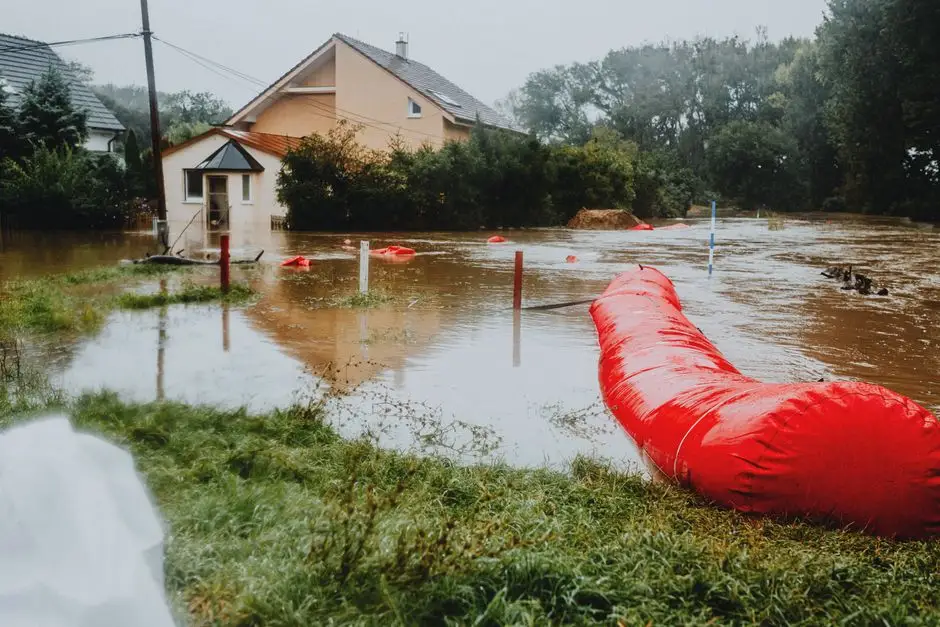
Flood cleanup and water removal in Lake in the Hills can be urgent after intense rain overwhelms drainage or water enters through a low-level opening. Midwest Water Damage Pros assists residents near Woods Creek and across local subdivisions with water removal, affected-area checks, and drying coordination. We focus first on safe access and standing water, then help determine which contents and building materials need additional attention.

Sorting Flooded Areas

Floodwater can carry debris and leave moisture beyond the lowest point of entry. We inspect affected rooms, note flooring and contents in contact with water, and plan removal in a sensible sequence. Our flood water removal process considers basement layouts common in Lake in the Hills, where storage rooms, mechanical spaces, and finished living areas may all connect.

Managing Rainwater Intrusion

Heavy Midwest downpours can expose drainage weaknesses around homes near open space and lake-area properties. We identify the visible path of entry and remove accessible water without assuming that every damp surface has the same condition. After flood cleanup, we explain what needs drying attention and recommend addressing the source so another storm does not repeat the damage.

Contents And Surface Care

Furniture, boxes, and floor coverings may need to be moved to make cleanup thorough. Our crew works room by room, separating affected belongings from dry items and keeping walkways usable where possible. For Lake in the Hills households, this orderly approach helps protect salvageable possessions while giving technicians access to wet edges, corners, and areas beneath movable furnishings.

  • Extract accessible floodwater from basements and ground-level living spaces.
  • Record water-affected rooms, flooring, contents, and points of entry.
  • Move manageable furnishings to expose wet surfaces for assessment.
  • Recommend follow-up drying and source-control steps after cleanup.
Basement Water Removal in Lake in the Hills

Basement Water Removal in Lake in the Hills


Basement water removal in Lake in the Hills helps protect lower-level rooms when rain, plumbing issues, or equipment failures leave floors submerged. Midwest Water Damage Pros works in finished basements throughout the village, including homes near Indian Trail and older properties closer to the town center. We remove standing water, inspect adjacent materials, and tailor the cleanup to the basement's flooring, storage, and mechanical layout.

Extract standing water from basement floors and accessible low spots.

Promise

“Water may enter at a window well, foundation seam, floor drain, or failed appliance connection. We inspect the basement perimeter and nearby utilities to understand what is visibly contributing to the problem. In Lake…”

— Lake in the Hills customer
Finding Water Entry Paths +

Water may enter at a window well, foundation seam, floor drain, or failed appliance connection. We inspect the basement perimeter and nearby utilities to understand what is visibly contributing to the problem. In Lake in the Hills, spring thaw and heavy rain can stress below-grade areas, so locating the likely path helps homeowners plan sensible prevention after immediate cleanup.

Clearing Finished Living Areas +

Finished lower levels often combine carpet, laminate, drywall, and stored household items in one connected space. We extract water from accessible flooring and check where moisture has reached adjoining rooms. If you need basement flood cleanup in Lake in the Hills, our crew works carefully around entertainment areas and home offices while identifying materials that may require more than surface drying.

Utility Space Considerations +

Basements also house furnaces, water heaters, electrical panels, and sump equipment, so safe working space matters. Our technicians assess access before placing extraction tools and avoid disturbing systems that need a qualified trade professional. We help residents distinguish cleanup needs from equipment repairs, providing a practical handoff when flooding affects a mechanical area.

  • Extract standing water from basement floors and accessible low spots.
  • Check nearby walls, flooring edges, and stored contents for moisture.
  • Identify visible entry points around windows, drains, and utilities.
  • Coordinate recommended drying while preserving safe equipment access.
Sump Pump Failure Cleanup in Lake in the Hills
Service · #5

Sump Pump Failure Cleanup in Lake in the Hills


Sump pump failure cleanup in Lake in the Hills is important when a storm or power interruption allows water to collect in a basement. Midwest Water Damage Pros responds to affected homes across the village, including properties near Woods Creek Lake where wet-weather drainage can challenge lower levels. We remove standing water, assess surrounding materials, and help homeowners understand which drying measures are appropriate after the pump issue is addressed.

Responding After Pump Failure

A pump may stop because of a power outage, stuck float, or mechanical fault, leaving water to spread from the pit. We begin by evaluating the water level and safe routes through the basement. Our sump pump water removal service addresses the resulting water damage, while a plumber or pump technician can diagnose and repair the equipment itself.

Checking Basement Materials

Water around a sump pit can reach nearby carpet, stored boxes, baseboards, and wall edges before the problem is noticed. We inspect those areas after extraction and note where moisture readings suggest additional drying. In Lake in the Hills homes with finished lower levels, checking beyond the immediate pump corner can prevent overlooked dampness from affecting adjoining rooms.

Preparing For Future Rain

After cleanup, homeowners can review pump operation, backup power, and discharge routing with the appropriate service professional. Our restoration crew shares observations about where water spread and which surfaces were affected. Because spring storms and rapid snowmelt can bring repeated pressure to basements around Lake in the Hills, those details support a more informed prevention plan.

  • Remove water collected around the sump pit and across basement floors.
  • Inspect nearby carpet, baseboards, storage, and wall surfaces for moisture.
  • Document the water spread and affected materials for homeowner review.
  • Recommend pump-service follow-up and targeted structural drying.

Sewage Backup Cleanup and Extraction in Lake in the Hills


Sewage backup cleanup and extraction in Lake in the Hills requires prompt, controlled work because contaminated water can affect both surfaces and belongings. Midwest Water Damage Pros assists local homeowners facing drain or sewer backups in basements and lower-level bathrooms. We restrict access to affected areas, remove contaminated water and impacted materials as appropriate, and explain the cleaning and drying steps needed to return the space to safe use.

  1. 01

    Containing Affected Spaces

    A backup should not be treated like a clean-water leak. Our crew identifies the affected boundary, limits unnecessary foot traffic, and uses appropriate protective practices while arranging extraction. For sewage backup removal in Lake in the Hills, careful containment is especially useful in finished basements where a utility room, bathroom, and family space may share connected flooring.

  2. 02

    Removing Contaminated Materials

    Porous items that have contacted sewage may not be suitable for ordinary drying or reuse. We assess affected contents and surfaces, remove water, and explain which materials require disposal or specialized treatment. Homes around the village vary in basement finishes, so recommendations reflect the actual flooring, trim, and wall materials rather than a one-size-fits-all approach.

  3. 03

    Sanitation And Drying Steps

    After contaminated water and unsalvageable materials are addressed, impacted surfaces need appropriate cleaning and the remaining structure must be dried. We communicate the work sequence and any access precautions for household members. If the backup source remains unresolved, we advise coordinating with a plumbing professional before normal use resumes in the affected Lake in the Hills area.

  • Establish controlled access around sewage-affected rooms and pathways.
  • Extract contaminated water using appropriate protective work practices.
  • Identify porous contents and materials needing removal or specialized treatment.
  • Outline cleaning, drying, and plumbing follow-up requirements.
Sewage Backup Cleanup and Extraction in Lake in the Hills

06 / 10

Service

5+ YEARS · LAKE IN THE HILLS

Burst Pipe and Plumbing Leak Cleanup in Lake in the Hills

Burst pipe and plumbing leak cleanup in Lake in the Hills limits damage after a sudden line failure or a leak that has gone unnoticed. Midwest Water Damage Pros helps residents in homes throughout the village, from established streets near downtown to newer subdivisions with multi-level layouts. We remove water, trace its visible spread, and coordinate drying around the affected rooms once the plumbing source has been shut off or repaired.

Stopping The Water Spread

A broken supply line can quickly soak cabinets, flooring, and rooms below the leak. After the water source is controlled, our technicians extract standing water and assess the direction it traveled. For burst pipe water damage cleanup in Lake in the Hills, prompt access to both the leak room and the ceiling or floor beneath it helps define the real work area.

Checking Connected Rooms

Water often follows framing, pipe chases, or flooring seams into spaces that appear untouched. We inspect adjacent rooms and accessible surfaces, using moisture readings to guide drying decisions. In two-story Lake in the Hills homes, a bathroom supply failure can affect a lower-level ceiling, so our assessment accounts for vertical as well as side-to-side migration.

Coordinating Plumbing Repairs

Restoration and plumbing repairs serve different purposes, and the source should be fixed before affected materials are closed or rebuilt. We document visible damage and share observations that may help a licensed plumber locate the trouble area. Once the leak is repaired, our crew can focus on extraction and drying without disrupting unrelated parts of the property.

  • Extract water from affected rooms after the plumbing source is controlled.
  • Check adjoining floors, ceilings, and wall surfaces for moisture migration.
  • Document damaged finishes and accessible areas around the leak.
  • Coordinate drying recommendations with plumbing repair timing.
Frozen Pipe Water Damage Cleanup in Lake in the Hills

Frozen Pipe Water Damage Cleanup in Lake in the Hills


Frozen pipe water damage cleanup in Lake in the Hills is often needed after a severe cold spell gives way to thawing and a split line releases water indoors. Midwest Water Damage Pros serves homes across the village, where long Illinois winters can put plumbing near exterior walls or unheated spaces at risk. We extract water, check affected materials, and help organize drying after the pipe has been safely repaired.

Extract released water from floors, cabinets, and accessible utility spaces.

Promise

“A frozen line may not leak until temperatures rise, so damage can appear suddenly in a kitchen, bathroom, or utility area. We begin with the visible water and inspect nearby finishes for spread. Our frozen pipe cleanu…”

— Lake in the Hills customer
Handling Winter Pipe Leaks +

A frozen line may not leak until temperatures rise, so damage can appear suddenly in a kitchen, bathroom, or utility area. We begin with the visible water and inspect nearby finishes for spread. Our frozen pipe cleanup service in Lake in the Hills recognizes that exterior-wall plumbing and cold basement corners can make the affected area larger than the initial puddle.

Drying Cold Affected Rooms +

Winter conditions can make drying more complicated when homes are closed up and outdoor air is cold. We choose equipment placement with room temperature, materials, and safe household access in mind. After a pipe failure in a Lake in the Hills residence, ongoing moisture checks help determine whether flooring, wall edges, or contents need additional attention.

Reviewing Vulnerable Locations +

Once cleanup is underway, we point out where water traveled and which areas appeared exposed to freezing conditions. Homeowners can discuss pipe insulation, heat maintenance, and shutoff access with a qualified plumbing professional. This practical review is useful in both older homes and newer properties, where garage-adjacent rooms or seldom-used spaces may remain colder than expected.

  • Extract released water from floors, cabinets, and accessible utility spaces.
  • Inspect nearby finishes and contents for moisture after pipe failure.
  • Monitor drying progress in cold rooms and vulnerable wall areas.
  • Share observations about affected locations for plumbing follow-up.
Appliance Leak Water Cleanup in Lake in the Hills
Service · #9

Appliance Leak Water Cleanup in Lake in the Hills


Appliance leak water cleanup in Lake in the Hills can prevent a small hose or drain failure from damaging floors and nearby rooms. Midwest Water Damage Pros helps local households after leaks from washing machines, dishwashers, refrigerators, and water heaters. We extract accessible water, inspect the area beneath and around the appliance, and identify drying needs suited to the home's flooring and cabinetry.

Finding Water Beneath Appliances

Leaks can travel under a washer or refrigerator before appearing at the edge of the room. We check accessible flooring, cabinet bases, and nearby wall surfaces, then remove standing water. For washing machine leak cleanup in Lake in the Hills, inspecting the laundry area and adjacent hallway can reveal moisture that a quick mop would leave behind.

Protecting Cabinets And Floors

Dishwasher and refrigerator leaks can affect toe kicks, flooring seams, and lower cabinets, especially when water remains trapped out of sight. Our technicians document visible conditions and assess whether materials need focused drying. In local kitchens with hardwood, tile, or laminate, the cleanup approach depends on the floor type and how far water has spread.

Planning Appliance Repairs

The appliance or its supply connection must be repaired before normal operation resumes. We coordinate cleanup around that work and explain what moisture findings suggest for drying. Whether a leak occurs in a laundry closet near the village center or a kitchen in a newer subdivision, our team keeps the service area organized and limits disruption to household routines.

  • Extract water from appliance areas and accessible adjoining flooring.
  • Inspect cabinet bases, floor edges, and nearby wall surfaces.
  • Document visible moisture and note materials requiring drying attention.
  • Coordinate cleanup timing with appliance or supply-line repair.

Roof Leak and Storm Water Cleanup in Lake in the Hills


Roof leak and storm water cleanup in Lake in the Hills addresses interior damage after wind-driven rain, melting snow, or a roof opening lets water inside. Midwest Water Damage Pros assists homeowners throughout the village, from tree-lined streets to newer developments exposed to strong Midwest storms. We remove water from affected rooms, check ceilings and nearby finishes, and explain how to protect the interior while roof repairs are arranged.

  1. 01

    Tracing Interior Leak Damage

    A ceiling stain may sit several feet from the roof entry because water can follow framing before it drips indoors. We inspect the visible area and surrounding surfaces, then identify where moisture has spread. For roof leak water cleanup in Lake in the Hills, checking upper-floor ceilings, attic access points, and rooms below helps avoid overlooking connected damage.

  2. 02

    Responding To Storm Intrusion

    Wind-driven rain and rapid snowmelt can expose weak flashing, damaged shingles, or vulnerable roof transitions. We extract water from accessible floors and protect affected belongings as conditions allow. Because storms can move quickly across the area, homeowners should arrange temporary roof protection with a qualified contractor while our crew manages interior water and drying needs.

  3. 03

    Drying Ceilings And Walls

    Wet drywall, insulation, and ceiling finishes require assessment before repairs can be planned. We document visible conditions and monitor moisture in accessible materials, taking care around lighting and other fixtures. In Lake in the Hills homes with finished upper floors, timely evaluation can clarify whether a localized repair is realistic or a wider section needs attention.

  • Remove interior water from floors and accessible storm-affected rooms.
  • Inspect ceilings, walls, and nearby finishes for moisture spread.
  • Document visible damage and affected areas for repair planning.
  • Recommend interior drying steps while roof repairs are arranged.
Roof Leak and Storm Water Cleanup in Lake in the Hills

10 / 10

Service

Residential water extraction

Residential Water Extraction for Local Homes

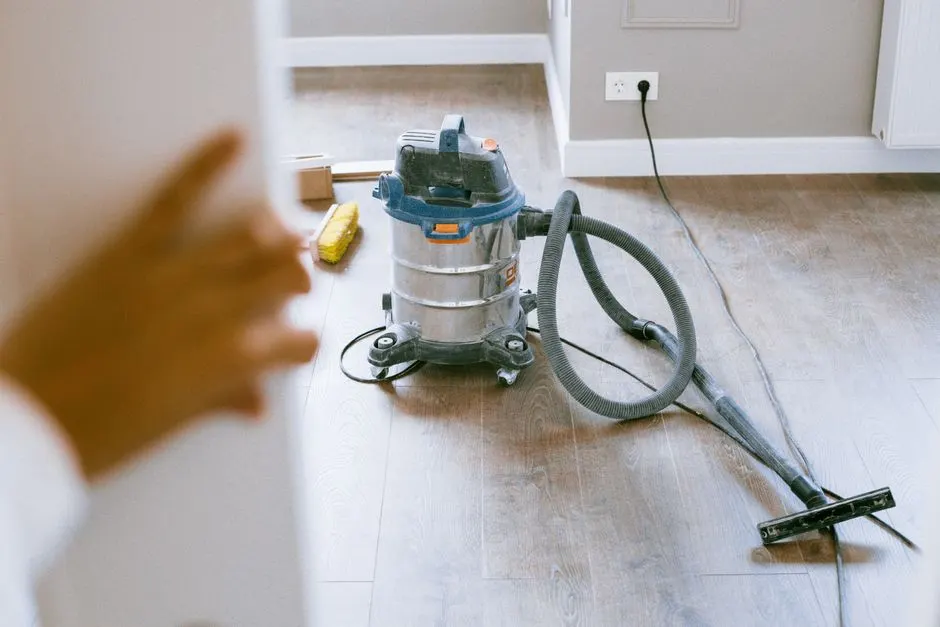
Homes in Lake in the Hills include single-family houses, townhomes, and properties with finished basements, utility rooms, and attached garages. Family routines depend on keeping the kitchen, laundry, and basement usable, so a leak under an appliance or a failed sump pump needs a direct plan. We remove water, check adjoining surfaces, and explain which materials need drying or removal. If a burst pipe affects a lower level, we look above and below the visible leak because water can travel through framing and appear in another room. Our water damage restoration approach is tied to readings and the conditions inside your home.

  • Finished basement water removal — We extract water from Lake in the Hills basements, check carpet and padding, and inspect lower wall edges for moisture. If stored belongings block access, we work with you to clear a safe route to the wet area and mechanical equipment.
  • Kitchen and laundry leak cleanup — A refrigerator line, dishwasher, or washer hose can wet flooring before the leak is visible. We remove standing water, check nearby cabinets and floor edges, and position drying equipment so your Lake in the Hills home remains passable.
  • Frozen pipe damage response — After a plumber stops a frozen-pipe leak, we extract water from the affected room and check nearby drywall and insulation. In Lake in the Hills, winter breaks can affect exterior walls, garage areas, and ceilings over basements.
  • Storm and sump water cleanup — For basement water after rain or a sump failure, we pump deeper water and extract what remains on the floor. We check around the perimeter and give Lake in the Hills homeowners a clear update on drying progress and equipment placement.
Commercial water extraction

Commercial Water Extraction in Lake in the Hills

Lake in the Hills businesses include storefronts, restaurants, offices, and service providers along local commercial routes. A water loss can close a customer area, damage stock, or reach a shared utility space, so access and operating hours matter. We coordinate entry, protect unaffected areas, and remove water with a plan that keeps essential paths available where conditions allow. If you are asking how to handle a commercial water leak after hours, report the source, floor area, and any building access restrictions when you call. We can organize extraction and drying around the affected space and the business's immediate needs.

Retail storesRestaurants and cafesProfessional officesMedical officesProperty management

Common Water Removal Problems Locally

Lake in the Hills experiences cold winters, seasonal thaw, and periods of heavy rain that can challenge plumbing and basement drainage systems. Homes include a range of construction ages and finished lower levels, where water can hide beneath carpet or behind baseboards. Stormwater intrusion is not proof of a foundation defect, but water entering at a wall or floor joint needs prompt assessment. Our flood cleanup and water removal starts with the source and water category, then addresses the materials actually affected.

Sump pump failure leaves standing water in finished basements

A pump can lose power, fail mechanically, or be overwhelmed during periods of heavy rain and snowmelt. In homes with finished basements, water quickly reaches carpet, stored items, and lower wall materials, even when the original entry point is small.

Frozen pipe breaks wet walls, ceilings, and lower-level rooms

During a hard freeze, plumbing in exposed or poorly heated areas can freeze and split. When the line thaws or water is restored, leakage may continue inside a wall or above a ceiling, making the first visible sign a stain or a sudden puddle below.

Appliance hose leaks travel beneath kitchen and laundry flooring

Dishwashers, refrigerators, and washing machines can leak slowly from supply connections or drain components. The appliance may conceal the first puddle, allowing water to move under cabinets and along flooring before a homeowner sees it.

Stormwater intrusion wets basement edges and stored belongings

Heavy rain, thawing snow, or drainage conditions around a property can send water toward a basement entry or foundation edge. The specific cause varies by site, so the presence of water alone does not establish a drainage or structural failure.

When to Call for Water Extraction

Call for water extraction in Lake in the Hills when water is actively spreading, has reached a finished floor, or remains trapped in a basement after the source is stopped. If you are wondering when to call a water removal company after a basement leak, do not wait for carpet to feel saturated; water can travel underneath flooring and into wall edges first. Keep clear of wet outlets, appliances, and electrical panels. If the water is sewage or may contain contaminants, avoid contact and restrict access until cleanup begins.

  • Water pooling across a basement floor

    Standing water can reach stored belongings, furnace areas, and wall bottoms within a short time. If the water is deeper than a surface film, extraction equipment is safer and more effective than repeated household vacuuming. Stay clear of electrical equipment and tell us how high the water is.

  • Carpet feels wet beyond the visible stain

    Water can spread beneath carpet and soak carpet padding even when the surface appears only slightly damp. Padding holds moisture and can slow drying. We check the edge and adjoining floor to determine how far the water moved and whether the material can be dried.

  • Sump pump runs but water keeps rising

    A pump that cannot keep up, has lost power, or has failed may leave water accumulating in the lowest part of the home. Rising water needs prompt removal after the immediate source is addressed. Note whether the pump is running and whether the discharge line appears obstructed.

  • Ceiling stain grows after a pipe leak

    A spreading stain can indicate water still inside the ceiling cavity, even if dripping has stopped. Wet drywall and insulation may retain moisture and affect nearby rooms. We trace the affected area and measure adjoining surfaces before deciding how to dry it.

  • Musty odor follows a plumbing or appliance leak

    A persistent odor after a leak can point to trapped moisture in flooring, cabinetry, or a wall cavity. Odor alone does not identify the source, but it warrants checking the area with moisture tools. Earlier extraction reduces the time wet materials remain concealed.

Local Landmarks and Navigation

We use familiar Lake in the Hills roads and public destinations to orient crews, then rely on your street address and entry instructions for the final approach. Randall Road is a primary route through the area, while the village municipal center and Woods Creek provide useful reference points. These are navigation aids only; a landmark does not determine whether a property needs extraction. For commercial calls, tell us which entrance accepts service access and whether a shared loading area is available.

Lake in the Hills Village Hall

The municipal building is a central civic reference point in the village. It helps orient drivers to the surrounding street network, but the property address remains necessary for direct service access.

Woods Creek

Woods Creek is a recognizable local natural feature and community reference. It can help distinguish nearby areas while navigating, without implying any connection between the creek and a particular water-damage call.

Indian Trail Beach

Indian Trail Beach is a public recreation destination on Woods Creek Lake. Its name can help identify the nearby part of the village when discussing directions to residential streets.

Coverage across Lake in the Hills & McHenry County

60156

Plus surrounding McHenry County neighborhoods, with same-day routing on most appointments.

Seasonal Water Risks in Lake in the Hills

As November moves Lake in the Hills into winter weather, frozen pipes and water from melting snow become immediate concerns. Spring brings thaw and heavy rain, summer storms can drive rain through roof or window openings, and fall is a good time to prepare plumbing and sump systems before temperatures drop. If you need basement water removal after a storm, the first priorities are safety, stopping ongoing entry, and removing standing water. We adapt the equipment plan to the season and the materials involved.

Spring

Thawing ground and periods of heavy rain can expose a weak point in basement drainage or reveal a sump pump that is not working. Lower-level carpet, storage, and wall edges are common areas to inspect after water appears.

Tip: Check the sump system before the wettest part of spring and keep stored items off the floor. If water collects, avoid wet electrical areas and call for extraction rather than waiting for the next rainfall.

Summer

Thunderstorms can bring wind-driven rain, roof leaks, and brief water entry through vulnerable openings. Appliance leaks also happen year-round and may be harder to notice when a utility room or basement is used less often.

Tip: After a storm, check ceilings and basement edges for new dampness. If water is present, move people and valuables away from the affected area and report the source and approximate spread when calling.

Fall

Rain and falling temperatures make fall a useful transition period for checking plumbing in garages, exterior walls, and seldom-heated rooms. A minor leak can become a larger cleanup if it goes unnoticed before winter travel or holidays.

Tip: Inspect visible supply hoses and shutoff valves, and keep the home heated during cold spells. If you find a leak, stop the water safely and arrange extraction before moisture reaches more flooring or wall material.

Winter

Freezing weather raises the risk of frozen pipes, followed by leaks when the line thaws. A break can release water inside a wall or above a basement ceiling, where the first clue may be a stain, dripping, or a sudden loss of pressure.

Tip: Keep vulnerable areas warm and know where the main shutoff is located. For a burst line, shut off water if safe, avoid the wet electrical zone, and call for extraction after the plumbing source is controlled.

Water Extraction in Lake in the Hills FAQs

Real answers from our team for the questions we hear most often before a job starts.

How much does water extraction in Lake in the Hills cost?
A small clean-water extraction job often costs $250 to $700, while a larger basement loss can reach $1,000 to $4,000 or more. Typical 2026 pricing depends on water depth, contamination, access, and drying equipment. Sewage cleanup or removal of wet drywall and insulation adds work. We explain the price for the needed service before proceeding.
How long does basement water removal take in Lake in the Hills?
Removing standing water often takes two to six hours, while drying commonly takes two to five days. A deeper basement flood or water under finished flooring can take longer because moisture must be checked in multiple materials. We track readings and adjust equipment as the structure dries. If water is still entering, the source must be controlled before drying can finish.
What should I do after a sump pump failure?
Stay away from wet electrical equipment, stop the water source if safe, and call for basement water removal promptly. Tell us the approximate water depth, whether the pump has power, and what rooms are affected. We can pump standing water, extract the remaining surface water, and check the basement perimeter. Have a plumber address the pump before the next rainfall.
Can water extraction dry carpet and padding?
Carpet and padding can sometimes be dried after clean-water exposure if extraction begins promptly and inspection shows the materials are suitable. Carpet padding often holds more water than the visible surface, so we check beneath the carpet and at the edges. Sewage or other contaminated water changes the decision, and porous materials may need removal.
Is 24-hour emergency water removal available in Lake in the Hills?
Yes, emergency water removal calls are accepted 24/7 in Lake in the Hills. Call 8337200038 and describe the source, location, and any electrical or contamination concern. For a burst pipe, shut off the water if safe; for sewage, keep people and pets out of the affected room. We will help determine the immediate next step.

Call for Water Extraction in Lake in the Hills

If water is spreading through your Lake in the Hills home or business, call Midwest Water Damage Pros at 8337200038. Our emergency line is open 24/7. Tell us where the water is, how it started, and whether it is near electricity or may be contaminated; we will help you take the next safe step and arrange extraction.

Call Now Send a Message

Contact our team

Call Midwest Water Damage Pros at 8337200038 for help finding an independent water cleanup company serving your Illinois location. Our referral line accepts calls 24/7, including frozen-pipe emergencies overnight and water entering after a storm. Tell us what happened, where the water is, and whether anyone faces an immediate safety risk so we can route your call.

Midwest Water Damage Pros


  • Phone

    8337200038
  • Address

    Illinois

  • Hours

    Mon–Fri: 7AM – 7PM
    Sat: 8AM – 4PM
    Sun: Emergency Only
    24/7 Emergency Available

Call 8337200038 Get Quote
Call Quote