
Residential Water Extraction in Bensenville
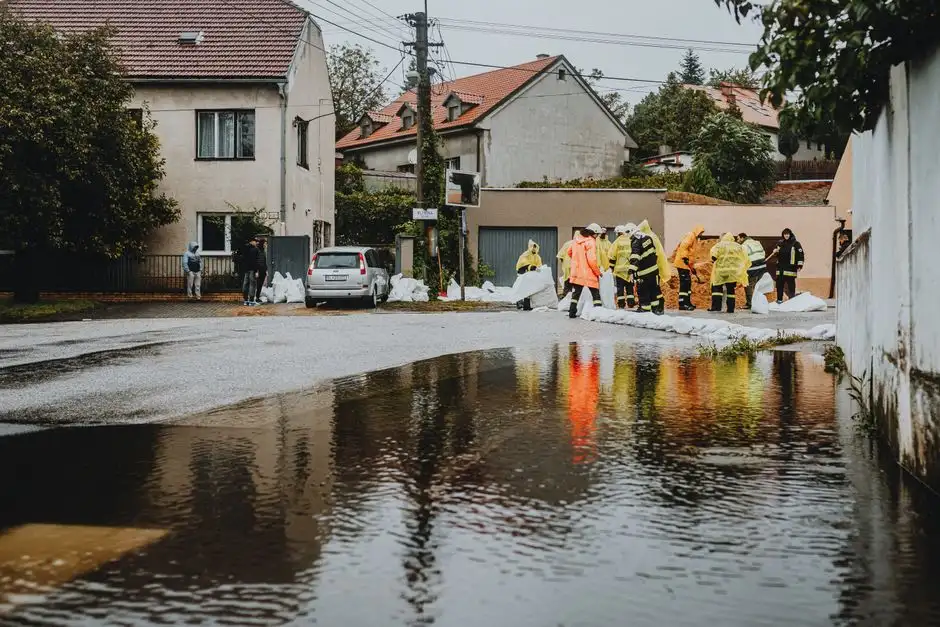
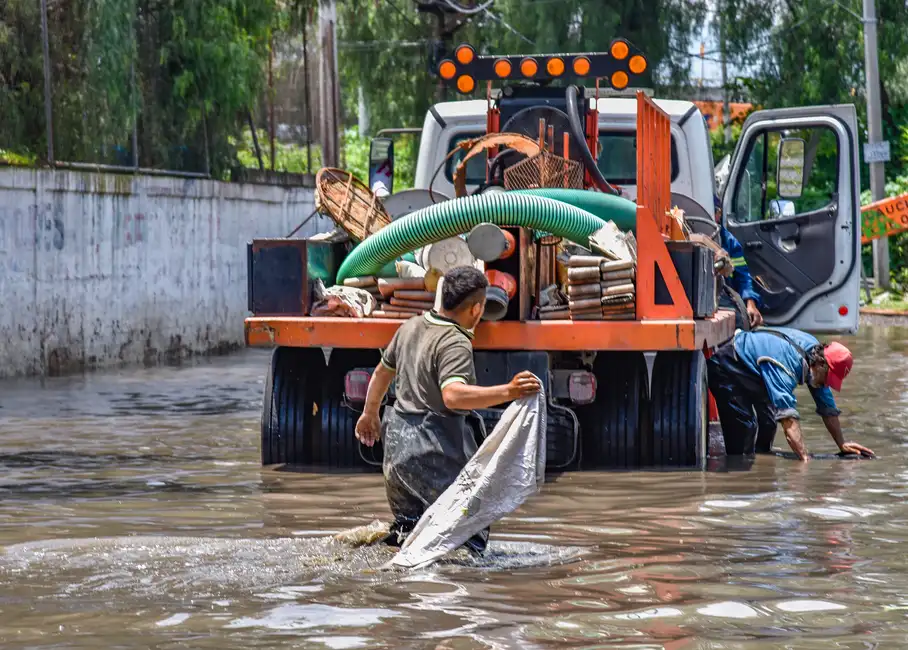
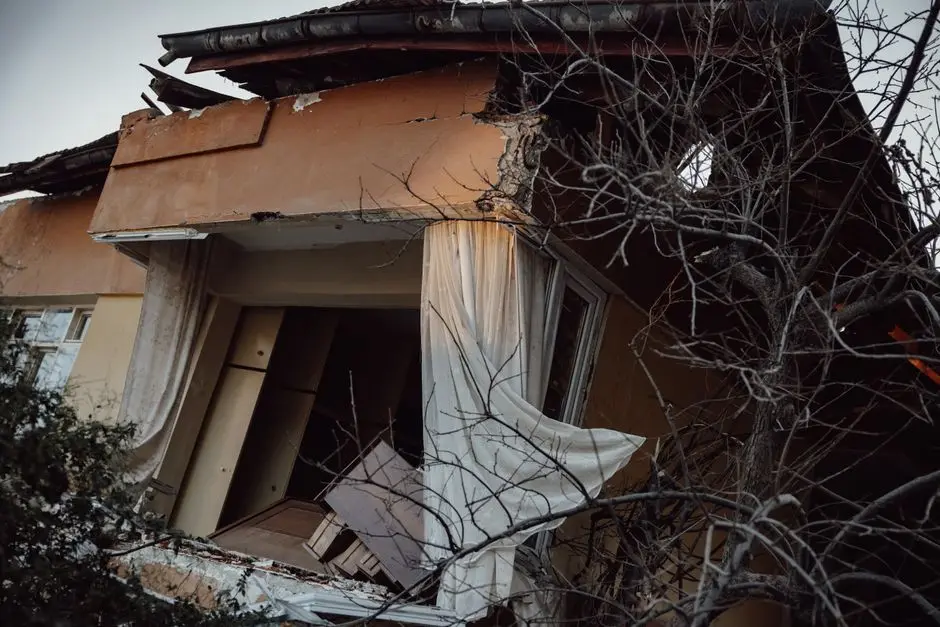
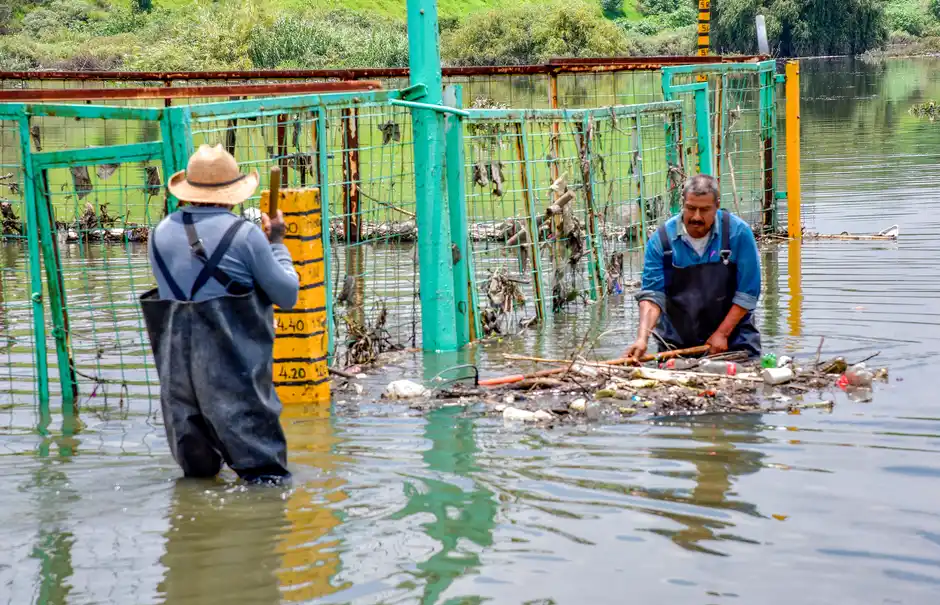
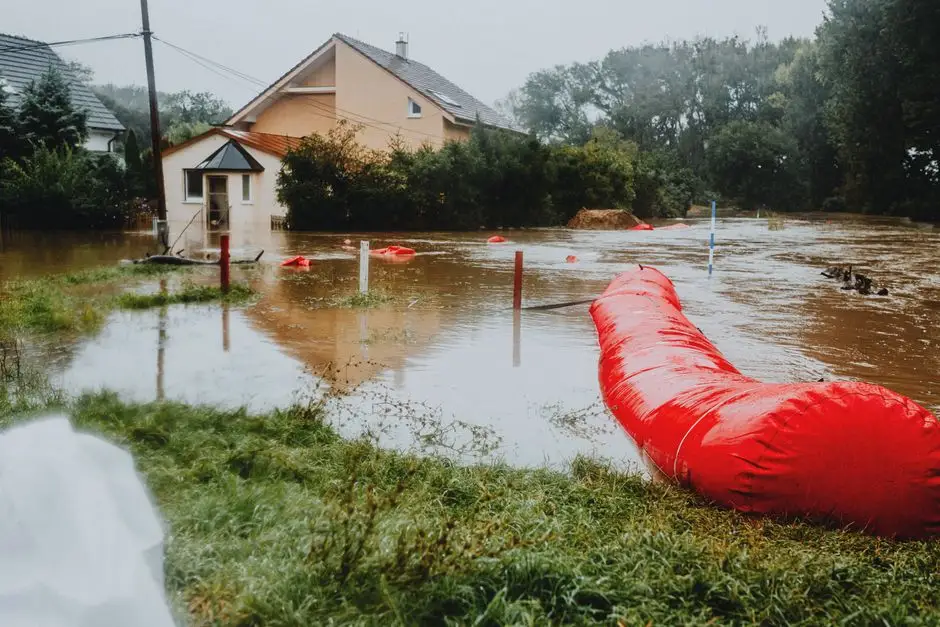
Bensenville homes range from older houses with basements to apartments and newer residential buildings, so water losses do not all behave the same way. A failed sump pump can soak a finished lower level, while a refrigerator line can wet flooring beneath cabinets without leaving a large puddle. We handle Emergency Water Extraction and check adjacent rooms, wall edges, and flooring transitions so your family is not left guessing about the extent of the damage. We protect a clear path to the affected room, remove standing water, and measure materials that may have absorbed moisture. For a clean-water leak, we focus on extraction and drying; for a sewage backup, we isolate the area and use a controlled cleanup process. Tell us if children, pets, or mobility needs affect access, and we will account for that while setting the work zone.
- Finished basement water removal — We remove water from finished basements in Bensenville, check carpet padding and the lower edge of drywall, and inspect adjoining rooms. If materials are too wet to dry safely, we explain what should be removed. Drying equipment is placed to move air through the affected area without blocking your household's safe route.
- Kitchen and laundry leak cleanup — Appliance leaks often spread beneath cabinets before you notice them. In Bensenville homes, we extract water, check flooring seams and toe kicks, and measure the subfloor where accessible. We also look into the next room so a leak behind a washer or dishwasher does not leave moisture at a doorway.
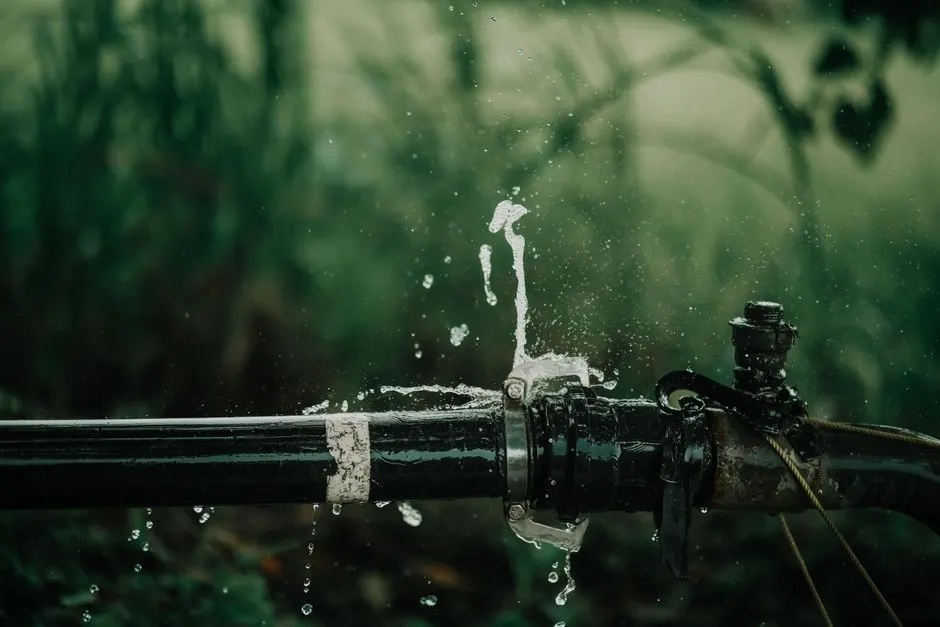
- Frozen pipe water extraction — If a pipe splits during a Bensenville cold snap, water can move through ceilings, walls, and floors. We remove standing water once the plumbing source is controlled, inspect the wet route, and set drying equipment based on the affected materials. You will know which rooms need follow-up readings.
- Sewage backup containment — A sewer backup in a home requires quick isolation and careful cleanup. We keep family members and pets away from the affected area, extract contaminated water, and assess porous flooring and contents. Cleaning products are used according to their label directions, and we explain which materials need removal.