




Residential Water Extraction in Crystal Lake
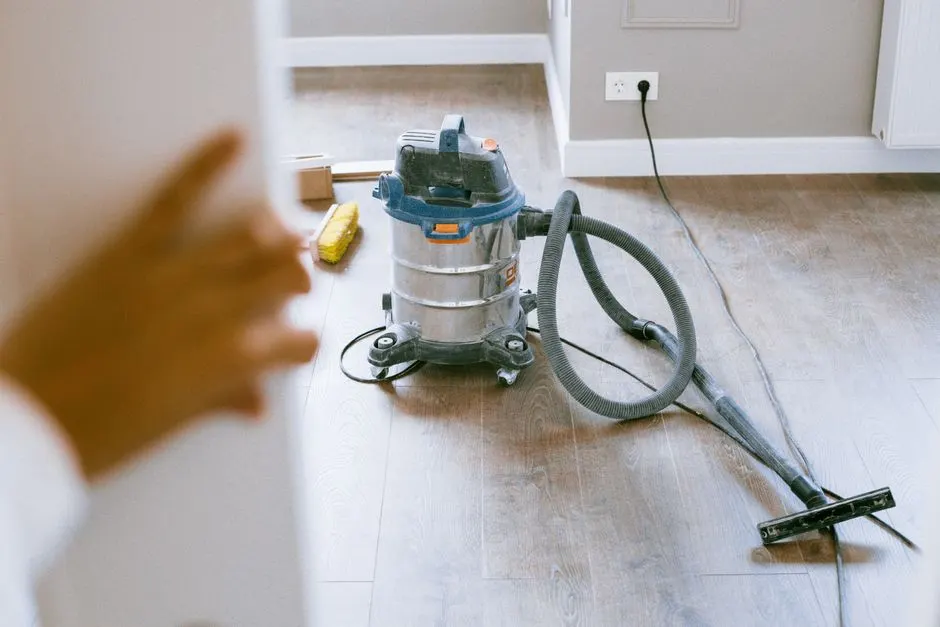
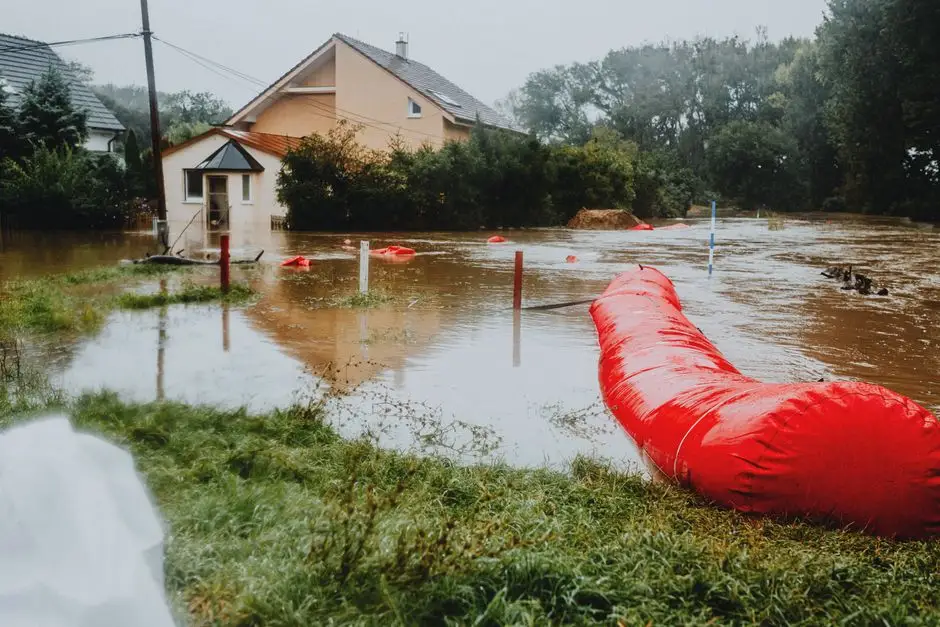
Crystal Lake homes include basements, finished lower levels, utility rooms, and laundry areas where a small leak can travel out of sight. Heavy rain and snowmelt can affect basements, and sump pumps are common in suburban homes. Our water extraction services in Crystal Lake, Illinois start with the source: a pipe, appliance, drain, or stormwater entry. We remove standing water, check the surrounding materials, and explain what can be dried and what needs removal. If you have children, pets, or essential items in the affected area, tell us before the crew begins so we can plan a safe route and prioritize access. We keep the work focused on your home's actual wet footprint.
- Finished basement water removal — We extract water from finished basements in Crystal Lake and check carpet padding, baseboards, lower drywall, and stored contents. If the water entered after a sump pump failure or storm, we inspect the perimeter and document the affected rooms. You get a clear drying plan based on material readings, not a guess from the surface.
- Pipe leak extraction and drying — A plumbing leak can wet cabinets, flooring, and wall edges before you see a puddle. We remove water after the leak is controlled, then check adjacent materials for hidden moisture. In Crystal Lake homes, this is especially useful after a winter pipe break or a slow leak discovered beneath a fixture.
- Appliance leak cleanup — Dishwasher, refrigerator, and washer leaks often spread under nearby flooring. We extract visible water, inspect the appliance footprint and adjoining room, and determine whether padding or other porous materials need removal. The cleanup is planned around your home's layout and the water source.
- Sewage backup extraction — A drain backup requires prompt isolation and controlled cleanup. We remove affected water, protect clean parts of your Crystal Lake home, and handle porous materials according to contamination conditions. Hard surfaces are cleaned with products used according to label directions, and affected rooms are assessed before they are returned to use.