Residential water extraction for Fairview Heights homes
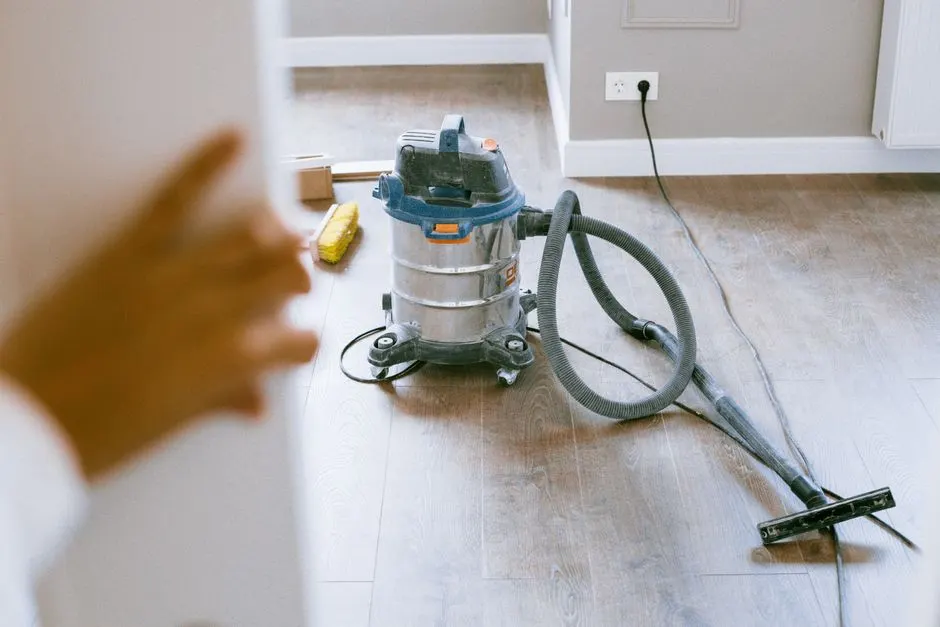
Fairview Heights homes range from established single-family houses to newer residences and multifamily units, with basements, garages, laundry rooms, and finished living areas all needing different access plans. A washing-machine leak can soak flooring before it reaches the next room; a sump pump failure can threaten stored belongings and carpet. We remove standing water, check the materials around the visible wet spot, and explain what needs drying. Water damage restoration follows the actual moisture path, so we inspect thresholds, lower walls, and floor transitions rather than stopping at the puddle. If your family needs to keep using part of the home, we plan a clear route around the work zone and place equipment to limit disruption.
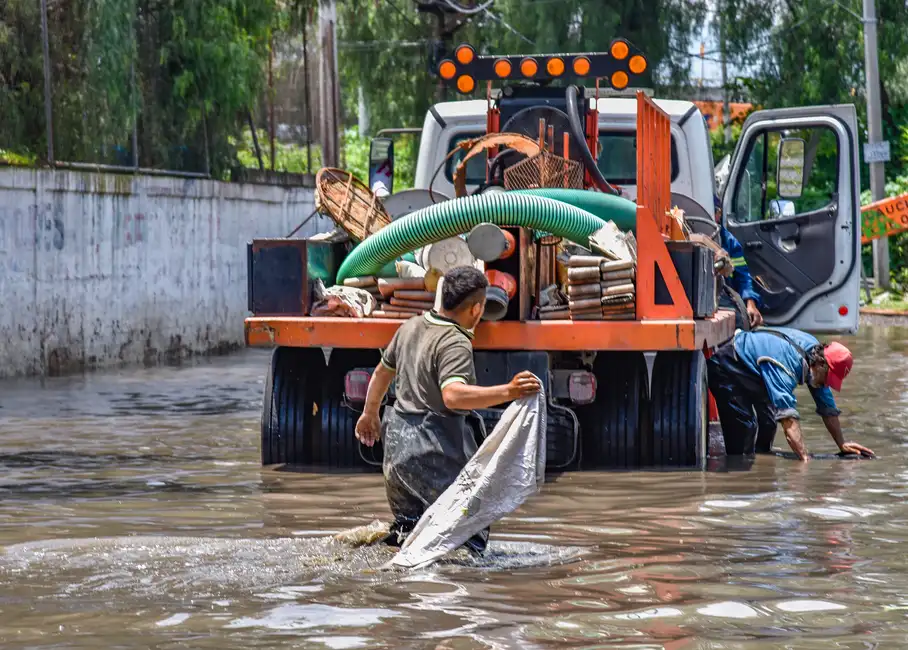
- Basement and lower-level water removal — We remove water from Fairview Heights basements after pump failures, leaks, or storm entry. For deeper water, we can pump first and then extract from floors and edges. We check finished materials and stored belongings so you know which areas need drying and what should be moved out of the room.
- Appliance leak floor extraction — A refrigerator line or washer hose can leak under flooring in a Fairview Heights home. We extract visible water, check the appliance footprint and nearby transitions, and assess whether carpet padding or subflooring is damp. You get a clear account of the affected area before drying equipment is placed.
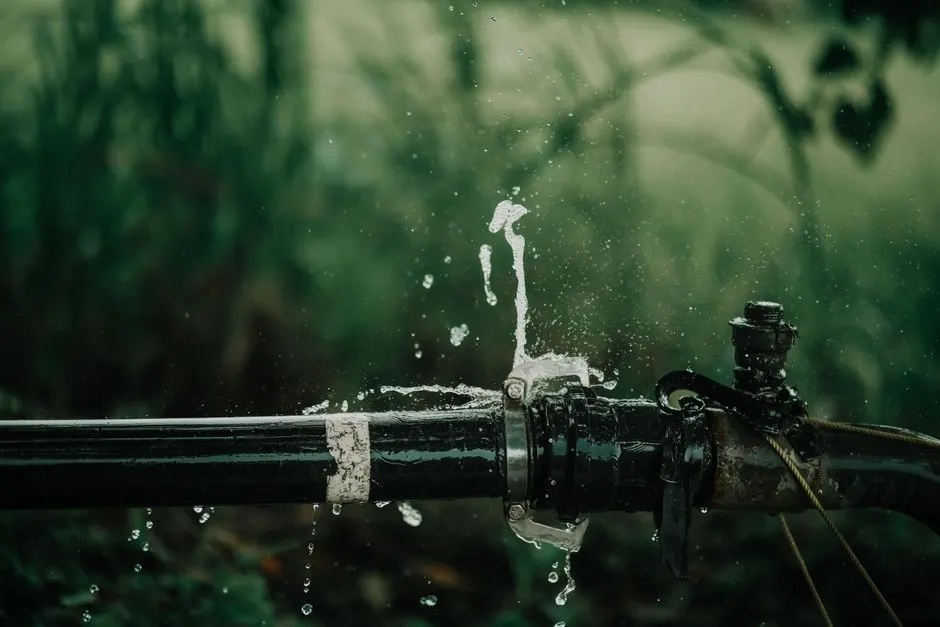
- Burst pipe cleanup at home — After a pipe breaks, we focus on the water path through your Fairview Heights home. Once the source is controlled, we extract affected floors and inspect wall bottoms, cabinets, and rooms below the leak. Moisture checks help identify whether the visible damage is only part of the job.
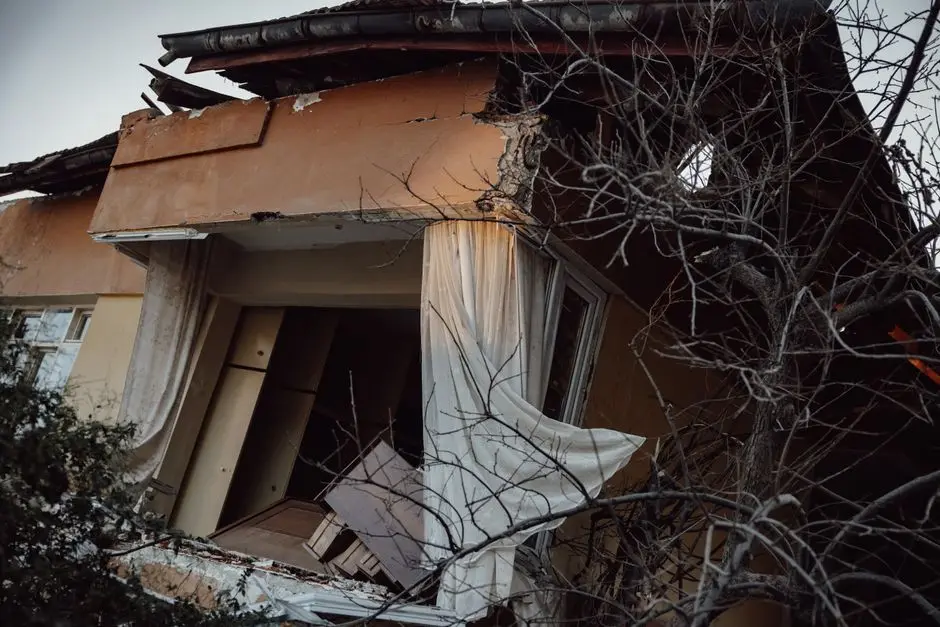
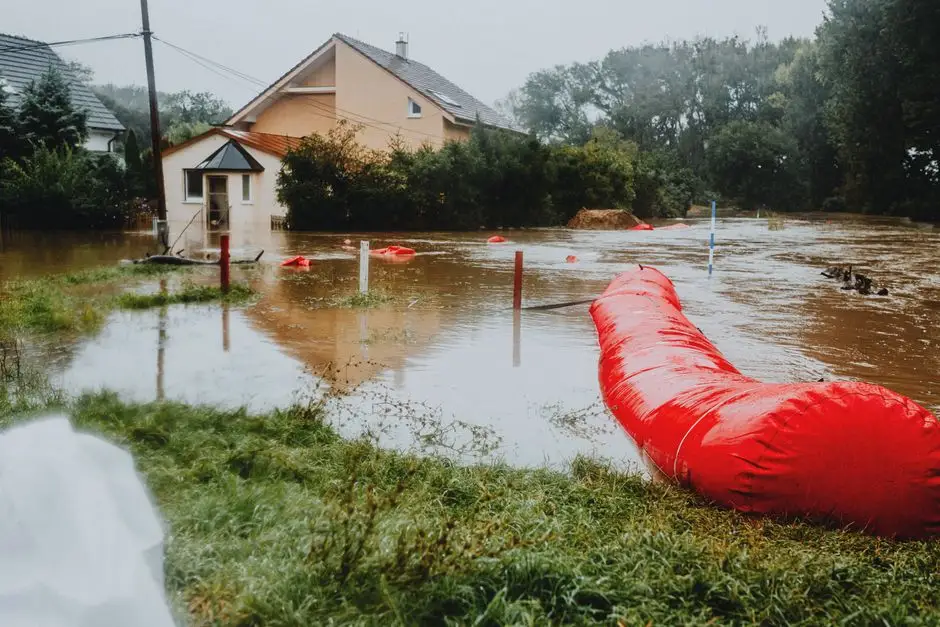
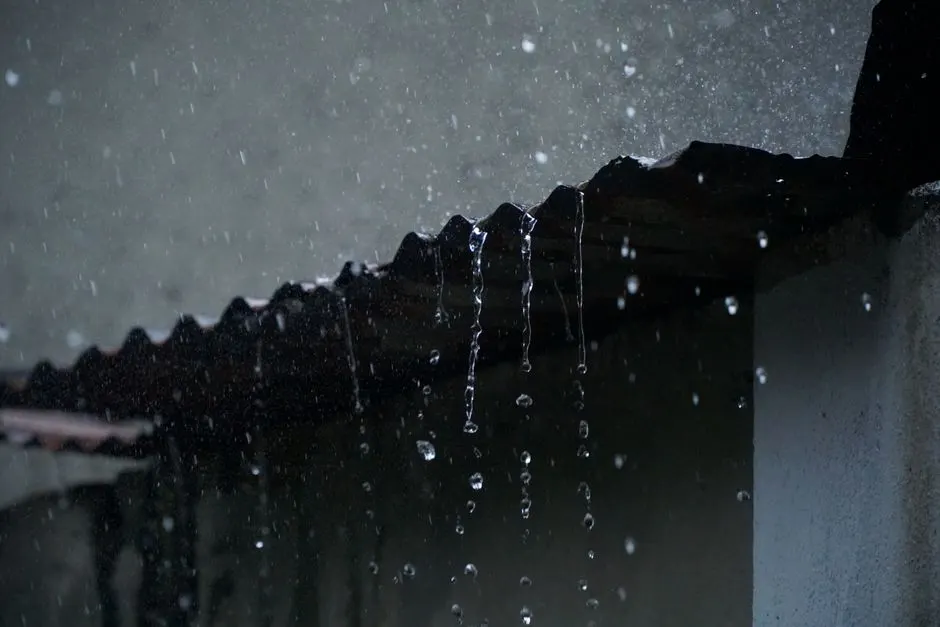
- Stormwater and roof leak response — We remove water from rooms affected by roof leaks or storm entry and protect nearby contents where possible. In Fairview Heights homes, water may travel from a ceiling into walls and flooring. We check the connected surfaces and explain the drying steps after accessible water is removed.