Residential Water Extraction for Glencoe Homes
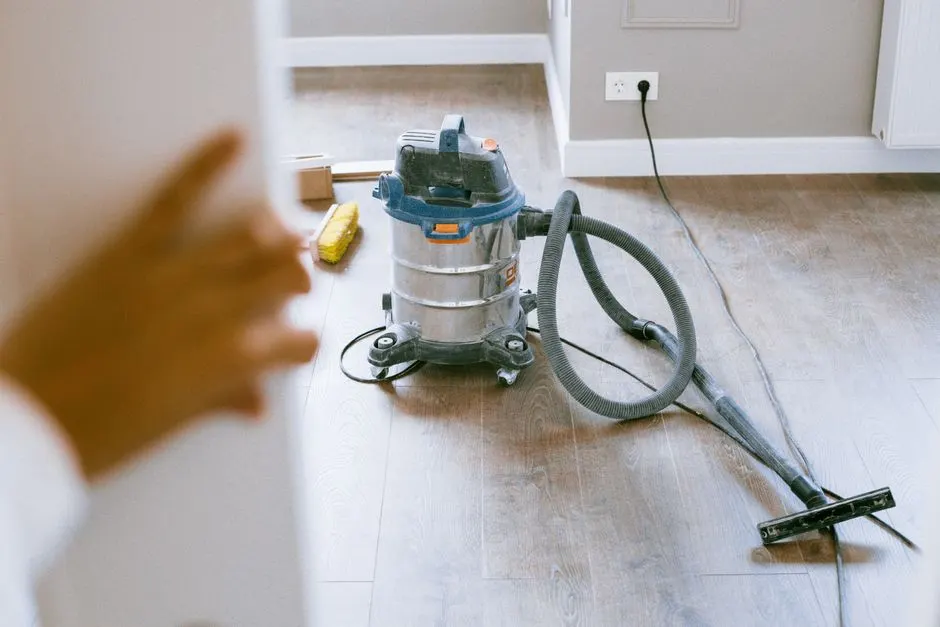
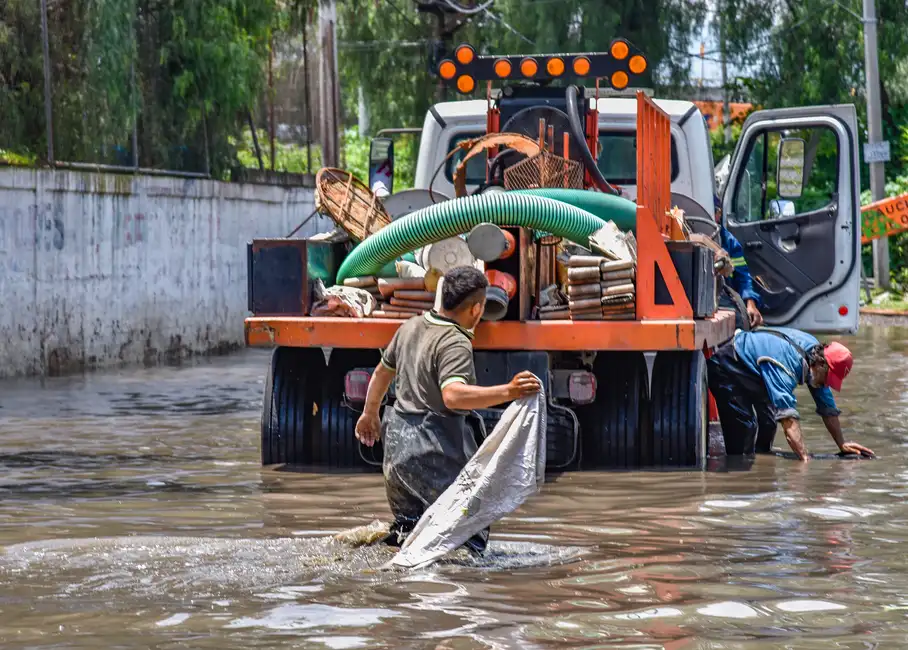
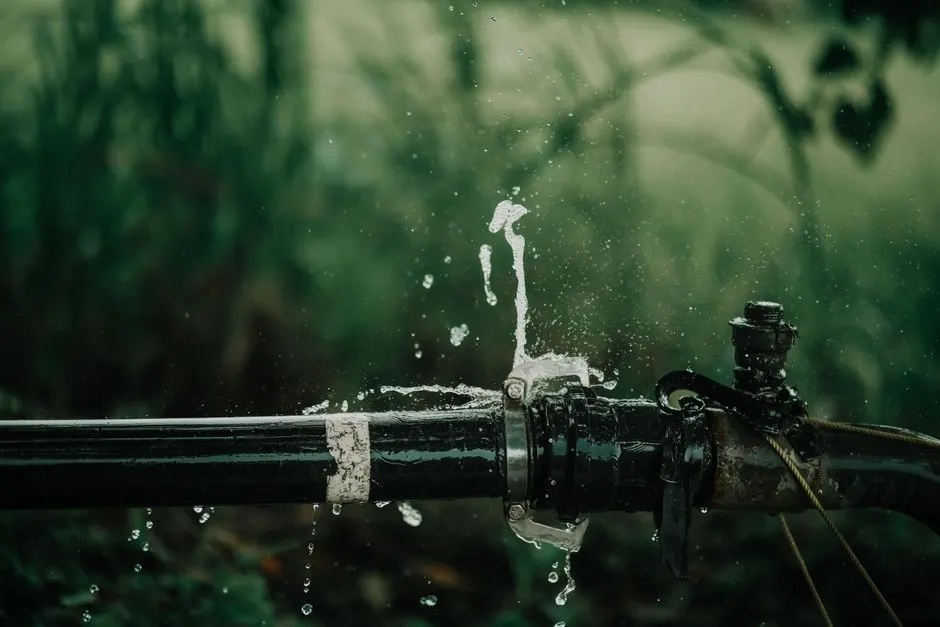
Glencoe homes include older residences, renovated houses, additions, and finished lower levels, so a water loss rarely affects every property in the same way. A burst pipe may wet plaster and hardwood, while a failed sump pump can soak carpet padding and stored belongings. We begin by stopping the source when possible, removing standing water, and checking the materials around the visible spill. For residential water damage restoration in Glencoe, moisture readings help us explain whether a room needs continued drying or further material work. We keep pathways clear, protect unaffected areas, and coordinate equipment around your household routine. Tell us if children, pets, or mobility needs affect access, and we will plan the work area accordingly.
- Finished basement water removal — For Glencoe finished basements, we remove pooled water and inspect carpet edges, baseboards, and accessible floor transitions. We move affected contents only as needed to reach the wet area, then take moisture readings to guide drying. If the water came from a sump failure, we document the damage separately from the pump repair.
- Kitchen and appliance leak cleanup — A refrigerator line or dishwasher leak can run under cabinets before it becomes visible. In Glencoe kitchens, we extract exposed water and check toe-kicks and flooring seams for moisture. The quicker the source is shut off, the smaller the wet footprint is likely to remain; we focus on locating that footprint accurately.
- Frozen pipe damage response — When a pipe breaks during a Glencoe cold snap, we remove water after the supply is safely controlled and inspect nearby rooms for spread. We check wall bottoms, flooring, and contents around the leak. Drying equipment is placed according to readings, and the plumbing repair must be completed before the system is returned to service.
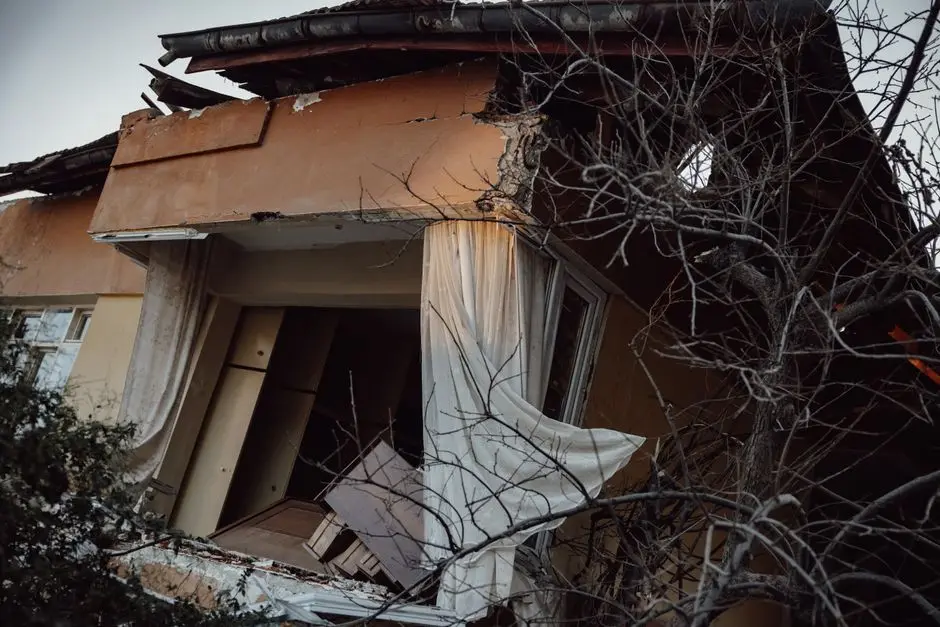
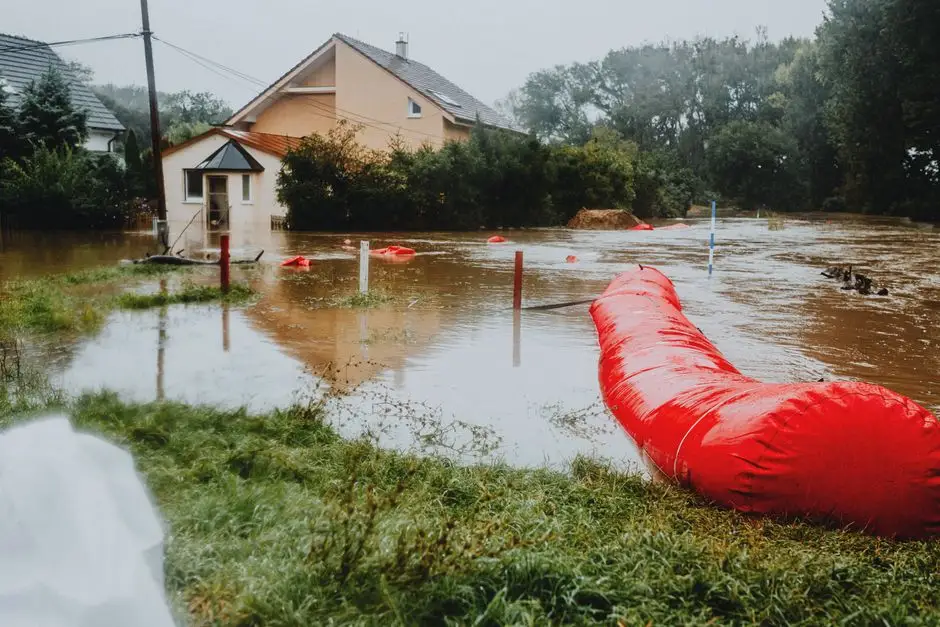
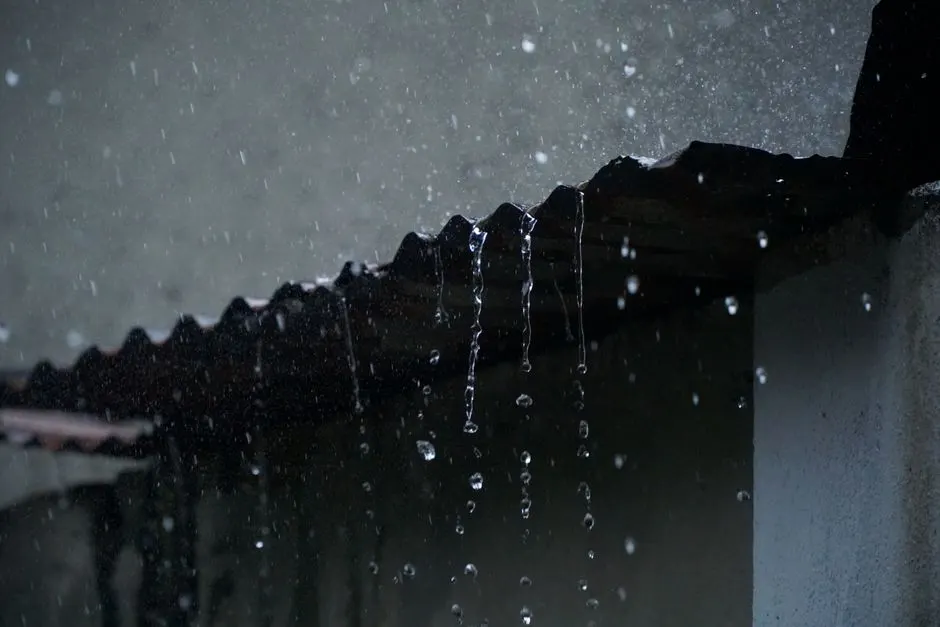
- Storm and roof leak cleanup — Stormwater entering a Glencoe home can wet ceilings, walls, and floors in more than one room. We protect belongings, extract interior water, and map affected materials for drying. If the roof or exterior opening is still active, source control needs to happen alongside cleanup so new water does not undo the work.