
Logo
Get Estimate

Water Extraction in Glenwood After a Flood

If water is spreading through your Glenwood home or business, water extraction in Glenwood starts with stopping the source and removing standing water before it travels farther. Midwest Water Damage Pros handles basement flooding, plumbing leaks, and stormwater intrusion across this Illinois community. We inspect affected rooms, extract water with equipment suited to the space, and track moisture in materials so you know what needs drying next.

Call for Help Request Service
Emergency availability Phone support Service coverage
Licensed Licensed & Bonded
Fully Insured Insured & Bonded
24/7 Emergency Same-Day Response
Warranty Backed Workmanship Guaranteed in Glenwood
Glenwood

Water Extraction in Glenwood, Done Right


water extraction in Glenwood is an emergency cleanup service that removes unwanted water from buildings and helps limit further damage after a leak, flood, or plumbing failure. Glenwood homes range from established single-family houses to newer residential construction, and each layout calls for a different extraction plan. A finished basement with carpet padding needs a different approach from a utility room with a bare concrete floor. We inspect the affected area, identify the likely source, and set equipment based on the material and water depth.

Our team handles emergency water extraction and basement water removal in Glenwood, including calls after sump pump failure, a burst pipe, or an appliance leak. We use a moisture meter to check beyond what you can see, then explain which materials need drying or removal. That matters when water reaches drywall, baseboards, or insulation. We work throughout Glenwood and nearby communities in Illinois, coordinating access with homeowners, property managers, and local businesses. You get a practical plan focused on removing water, protecting unaffected areas, and documenting the conditions we find.

  • Locally licensed and insured in Glenwood
  • Same-day diagnostics and written estimates
  • Real workmanship warranty in writing
  • Background-checked, in-house technicians

Water Removal Services Across Glenwood

Water emergencies in Glenwood often begin in a lower level, utility area, kitchen, or roofline, then spread into finished rooms if left standing. If you are searching for basement water removal after a sump pump failure, tell us how deep the water is and whether it is clean or contaminated; those details guide safe equipment choices. We serve houses, apartment properties, and local commercial spaces, with extraction plans based on flooring, access, and the source. Our first visit focuses on stopping active water, removing what can be extracted, and identifying wet materials that need careful drying or removal.

Emergency Water Extraction

Emergency Water Extraction

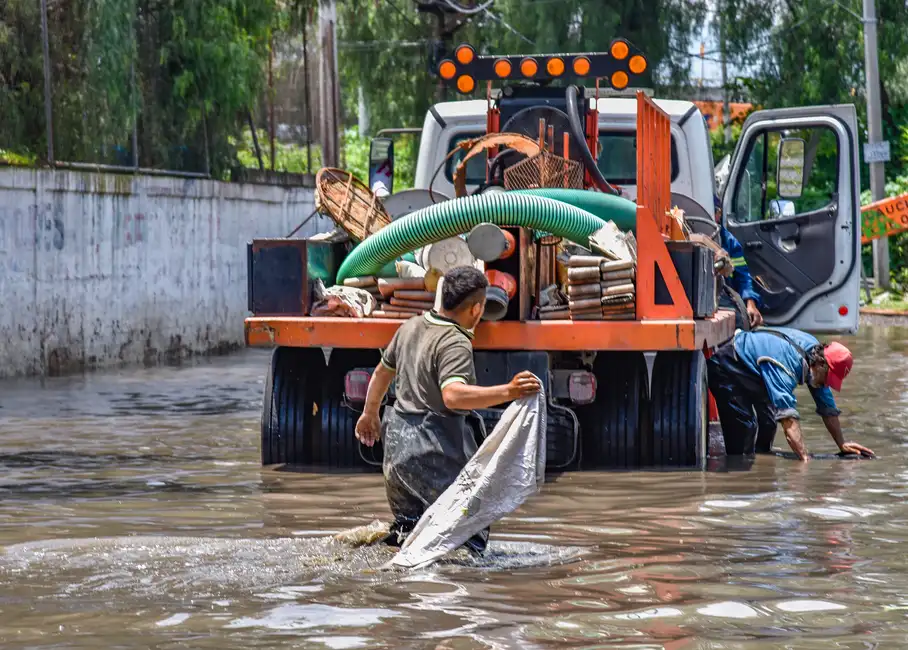
When water is moving across a Glenwood floor, our emergency response begins with the source and the safest route to remove it. We use a truck-mounted water extraction unit for accessible larger volumes or a portable extraction machine where stairs, tight entries, or occupied rooms make portability essential. We then check nearby walls and flooring for moisture you cannot judge by sight.

View Details
Water Damage Restoration

Water Damage Restoration

Extraction is only the first step when Glenwood water damage reaches drywall, baseboards, or subflooring. We document affected materials, set drying equipment, and return to measure moisture rather than guessing from surface appearance. Your restoration plan addresses what can be dried in place and what needs removal, so the next repair stage starts with a clearer picture of the damage.

View Details
Flood Cleanup and Water Removal

Flood Cleanup and Water Removal

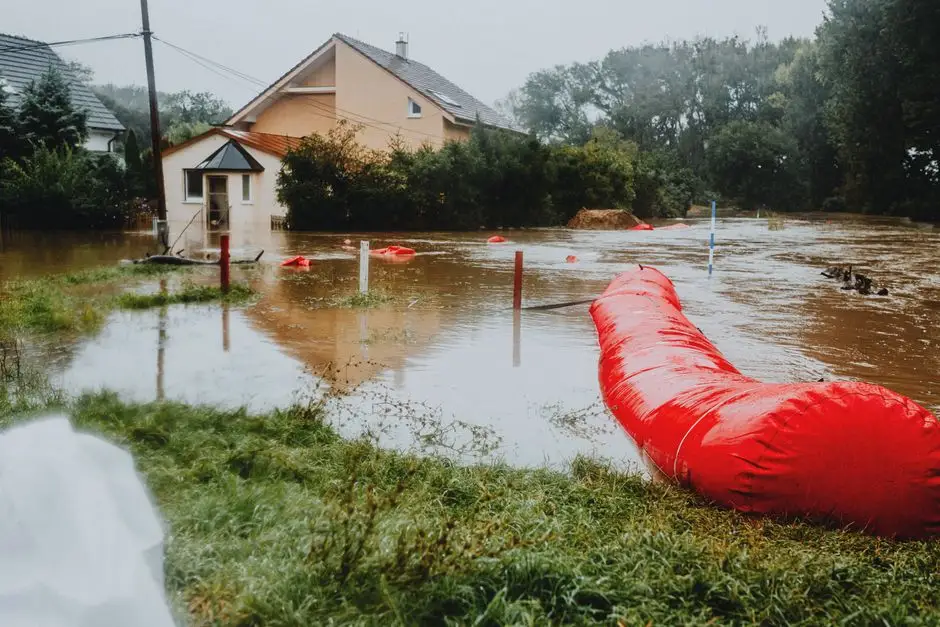
Heavy rain or a sudden interior failure can leave standing water in Glenwood basements, garages, and ground-floor rooms. We remove water, separate wet belongings from affected building materials, and clean surfaces according to the water source. If water contains sewage or other contaminants, we use appropriate protective procedures and keep affected areas controlled during cleanup.

View Details
Basement Water Removal

Basement Water Removal

Glenwood basement cleanup starts with checking water depth, electrical hazards, and the route to the lower level. We use a submersible pump for deeper standing water, then extract remaining water from accessible floor surfaces. Once the level is safe, we inspect carpet padding, stored items, drywall, and the bottom of finished walls for moisture that could be missed during a quick cleanup.

View Details
Sump Pump Failure Cleanup

Sump Pump Failure Cleanup

A failed sump pump can quickly turn a Glenwood basement into a water-removal job, especially during a prolonged rain. We remove standing water, identify affected floor and wall materials, and assess whether the pump failure has left water in concealed areas. We do not repair the pump itself, but we coordinate the cleanup sequence around restoring a safe, dry space after the source is addressed.

View Details
Sewage Backup Cleanup and Extraction

Sewage Backup Cleanup and Extraction

A sewage backup in a Glenwood home or business requires controlled cleanup, not ordinary floor drying. We isolate the affected area, extract contaminated water with suitable equipment, and clean impacted surfaces using products applied according to EPA-registered disinfectant label requirements. Porous materials that cannot be safely cleaned are assessed for removal, and we keep clean areas separate from the work zone.

View Details
Burst Pipe and Plumbing Leak Cleanup

Burst Pipe and Plumbing Leak Cleanup

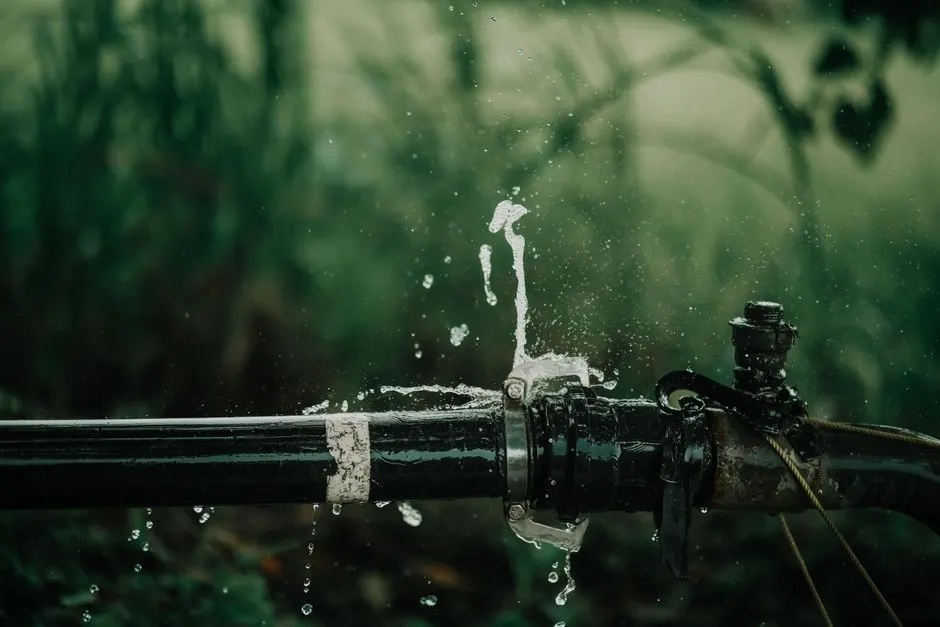
A burst pipe or plumbing leak can affect cabinets, ceilings, walls, and floors before the water source is obvious. After the plumbing source is controlled, we extract water in Glenwood properties and inspect the rooms below and beside the leak. A moisture meter helps us identify damp drywall and subflooring, allowing drying equipment to be placed where it can reach affected materials.

View Details
Frozen Pipe Water Damage Cleanup

Frozen Pipe Water Damage Cleanup

Glenwood winter freezes can expose vulnerable plumbing, particularly where pipes sit near exterior walls or in unheated areas. After a frozen pipe breaks and the water is shut off, we remove water from floors and affected rooms, check ceilings and wall cavities, and set drying equipment as needed. We focus on preventing the leak's footprint from being mistaken for the visible puddle alone.

View Details
Appliance Leak Water Cleanup

Appliance Leak Water Cleanup

A dishwasher, washing machine, or refrigerator supply leak can leave water under cabinets and flooring in a Glenwood home. We extract accessible water, check toe-kicks and adjoining rooms, and measure moisture around the leak path. If water has reached carpet padding or a wood subfloor, we explain what the readings show and set an appropriate drying plan instead of relying on surface appearance.

View Details
Roof Leak and Storm Water Cleanup

Roof Leak and Storm Water Cleanup

After a Glenwood storm, roof water can enter at a ceiling or travel through insulation before showing on an interior surface. We remove water from affected rooms, inspect the visible footprint, and check nearby materials for moisture. Roof repairs and exterior protection are handled separately from extraction, but controlling interior water quickly helps limit damage while the entry point is addressed.

View Details
Emergency Water Extraction in Glenwood
Service · #1

Emergency Water Extraction in Glenwood


For water extraction in Glenwood, Midwest Water Damage Pros responds quickly to remove standing water and limit damage to floors, walls, and belongings. From homes near Glenwood Avenue to properties around the village center, our team assesses the affected areas and selects suitable extraction equipment. Fast service matters after a plumbing failure or heavy rain, especially when water has reached finished basements or older flooring.

Rapid Water Removal

We begin by locating pooled water and checking how far it has traveled beneath flooring or into adjoining rooms. Powerful extraction tools remove water from Glenwood homes while helping protect wood trim, carpeting, and stored items. During wet spring weather, quick removal can reduce the time moisture remains in lower levels and shared living spaces.

Moisture Checks Throughout

After extraction, technicians inspect surfaces with moisture-measuring equipment to identify damp materials that may not look wet. This careful step supports water damage restoration in Glenwood by showing where additional drying is needed. We explain the findings, mark affected areas, and keep the work focused on the specific rooms and materials impacted by the incident.

Practical Cleanup Coordination

Our crew coordinates extraction with the next steps, including moving salvageable belongings and positioning drying equipment where it can work effectively. In homes with older basements near Glenwood's established residential streets, we take care around utility areas, stored possessions, and finished walls. You receive clear updates as water removal progresses and conditions change.

  • Extract standing water from carpet, tile, and basement floors.
  • Measure moisture in affected walls, trim, and floor materials.
  • Document impacted rooms and visible water migration for records.
  • Position drying equipment according to measured moisture conditions.

Water Damage Restoration in Glenwood


Water damage restoration in Glenwood starts with a careful assessment of the source, affected materials, and rooms that need attention. Midwest Water Damage Pros serves residences and local properties throughout the village, from established homes near the Metra station to newer buildings along major routes. We organize cleanup and drying around the actual conditions, helping reduce disruption after leaks, appliance failures, or storms bring water indoors.

  1. 01

    Assessing Affected Materials

    Water can travel beyond the visible stain, particularly through drywall seams, flooring, and basement framing. Our technicians inspect Glenwood properties room by room, using moisture readings to map damp areas before choosing restoration steps. This assessment helps distinguish materials that can be dried in place from those requiring removal, keeping the work grounded in the condition of the building.

  2. 02

    Drying With Clear Targets

    We place air movers and dehumidifiers to support controlled structural drying, then monitor progress rather than relying on a fixed schedule. For water damage restoration in Glenwood, changing humidity and cool, rainy periods can affect how quickly materials release moisture. Regular checks help our team adjust equipment placement and explain what the readings mean for each affected area.

  3. 03

    Repair Preparation Steps

    Once drying goals are met, we identify remaining cleanup or repair needs and organize the work area for the next phase. Glenwood homes with finished lower levels may need attention to baseboards, flooring, or wall cavities after a leak. We keep notes on completed mitigation and discuss practical next steps, helping owners understand the path from initial damage to a usable space.

  • Inspect affected rooms and record moisture readings by material.
  • Set air movers and dehumidifiers for targeted structural drying.
  • Track drying progress and adjust equipment placement as needed.
  • Prepare a documented summary of mitigation and remaining repairs.
Water Damage Restoration in Glenwood

02 / 10

Service

5+ YEARS · GLENWOOD

Flood Cleanup and Water Removal in Glenwood

Flood cleanup and water removal in Glenwood helps residents address water that enters homes after intense rain, drainage problems, or local flooding. Midwest Water Damage Pros assesses the affected rooms and removes standing water before beginning a measured drying plan. Properties near low-lying sections and older streets can experience water intrusion during unsettled weather, so a prompt, organized response can help limit damage to floors and possessions.

Sorting Flood-Affected Areas

Floodwater may affect several rooms at once, so we first establish where water entered and which materials have been exposed. Our crew checks floor surfaces, lower walls, and stored belongings in Glenwood properties, then separates items for appropriate handling. This organized approach helps prevent missed damp areas and provides a clear starting point for safe cleanup and water removal.

Removing Water Efficiently

We use extraction equipment suited to the amount of water and the floor surfaces involved, clearing pooled water from basements, garages, and living areas. When flood cleanup in Glenwood follows heavy rainfall, technicians also look for moisture that has moved behind finished surfaces. Removing accessible water first gives drying equipment a better chance to address remaining dampness.

Drying After Heavy Rain

After extraction, moisture readings guide placement of fans and dehumidifiers across affected spaces. Glenwood's humid stretches and cool-season storms can slow drying, especially in enclosed basements or rooms with limited airflow. We revisit the readings, adjust the setup, and communicate whether materials are drying as expected so property owners can make informed decisions about contents and repairs.

  • Remove pooled floodwater from basements, garages, and living areas.
  • Inspect lower walls and flooring for hidden moisture migration.
  • Separate affected contents for evaluation and appropriate handling.
  • Monitor drying equipment and moisture readings during cleanup.
Basement Water Removal in Glenwood

Basement Water Removal in Glenwood


Basement water removal in Glenwood addresses water around foundations, laundry areas, and finished lower-level rooms before it spreads farther. Midwest Water Damage Pros works in the village's mix of older homes and newer residences, where basements may hold utilities, storage, or valuable living space. After a leak or rain-related intrusion, we remove standing water, check concealed materials, and plan drying based on the basement's layout.

Extract water from basement floors, carpets, and accessible low spots.

Promise

“Technicians inspect the basement to identify visible water, damp edges, and likely routes of entry near windows, utility penetrations, or floor drains. In Glenwood's established residential areas, foundation details a…”

— Glenwood customer
Finding Water Entry Points +

Technicians inspect the basement to identify visible water, damp edges, and likely routes of entry near windows, utility penetrations, or floor drains. In Glenwood's established residential areas, foundation details and finished rooms vary from one property to another. A careful survey helps define the affected footprint and informs the most effective sequence for extraction and drying.

Clearing Lower-Level Water +

We extract water from concrete floors, carpets, and accessible low spots, taking care around furnaces, electrical equipment, and stored possessions. Basement water removal in Glenwood often requires working through tight utility spaces or finished recreation rooms, so equipment placement is planned for safe access. Removing pooled water promptly helps prepare surfaces for thorough moisture checks.

Drying Walls And Flooring +

Once water is removed, we measure moisture in lower walls, subfloors, and other materials that can retain dampness. Glenwood basements may stay cool and poorly ventilated during rainy seasons, making monitoring especially useful. We position drying equipment to encourage circulation and revisit readings to see whether concealed areas are improving or need further attention.

  • Extract water from basement floors, carpets, and accessible low spots.
  • Check foundation edges, floor drains, and utility-area moisture.
  • Measure dampness in lower walls and finished flooring materials.
  • Place drying equipment while maintaining access to household utilities.
Sump Pump Failure Cleanup in Glenwood
Service · #5

Sump Pump Failure Cleanup in Glenwood


Sump pump failure cleanup in Glenwood helps control basement water after a power interruption, mechanical fault, or overwhelmed pump. Midwest Water Damage Pros responds to affected homes across the village, where sudden downpours can put pressure on lower-level drainage systems. We remove standing water, assess nearby materials, and begin drying once the immediate conditions are understood, helping homeowners regain control of basements used for storage or daily living.

Responding To Pump Failure

Our crew checks the extent of water on the basement floor and identifies rooms or storage areas that need priority attention. In Glenwood homes with sump pits near utility rooms, water may spread quickly into adjacent finished spaces. We coordinate practical access and extraction while homeowners address pump repairs, keeping cleanup focused on reducing water exposure.

Extracting Basement Water

We remove standing water from concrete, carpet, and other affected surfaces with equipment suited to the depth and layout. After sump pump failure cleanup in Glenwood, technicians inspect edges behind stored items and along finished walls where water may collect unnoticed. Thorough extraction clears the way for more reliable moisture checks and a targeted drying setup.

Monitoring Damp Materials

A pump problem can leave moisture in wall bottoms, floor coverings, and belongings even after visible water is gone. We take readings throughout the affected basement and adjust air movement to support drying. During Glenwood's wet spring periods, regular monitoring helps reveal whether the space is recovering or whether additional materials need evaluation before repairs begin.

  • Extract water around sump pits and adjacent basement rooms.
  • Inspect finished walls, storage areas, and floor coverings for dampness.
  • Record moisture readings after pump-related water intrusion.
  • Arrange drying equipment to reach affected basement corners.

Sewage Backup Cleanup and Extraction in Glenwood


Sewage backup cleanup and extraction in Glenwood requires prompt, controlled handling when contaminated water enters a basement or other occupied space. Midwest Water Damage Pros helps local property owners isolate affected areas, remove sewage-contaminated water, and address impacted materials. Older homes around Glenwood's established neighborhoods may have varied plumbing layouts, so our technicians assess the affected route carefully and explain the cleanup steps before work proceeds.

  1. 01

    Isolating Contaminated Spaces

    We identify the affected rooms and help limit foot traffic through areas touched by sewage water. Technicians assess floor coverings, lower walls, and nearby belongings in Glenwood properties, taking the building layout into account. Prompt separation of contaminated and unaffected spaces supports organized cleanup and helps prevent material from being tracked into hallways or other parts of the home.

  2. 02

    Removing Sewage-Affected Water

    Our team uses appropriate extraction methods to remove contaminated water and collect affected debris for proper handling. During sewage backup cleanup in Glenwood, we pay attention to basement drains, utility rooms, and finished lower levels where waste may spread beyond the initial point. The work proceeds in a controlled sequence, with affected surfaces evaluated before cleaning and drying steps.

  3. 03

    Cleaning And Drying Surfaces

    After extraction, we clean and treat suitable surfaces, then assess materials that may require removal because of contamination or damage. Glenwood's older basements can include porous finishes and hard-to-reach corners, so technicians check edges and transitions carefully. We document completed work and explain remaining concerns, helping occupants understand when affected areas are ready for repair planning.

  • Establish boundaries around rooms affected by sewage water.
  • Extract contaminated water from basement floors and accessible spaces.
  • Identify porous materials requiring further evaluation or removal.
  • Clean suitable surfaces and document completed mitigation steps.
Sewage Backup Cleanup and Extraction in Glenwood

06 / 10

Service

5+ YEARS · GLENWOOD

Burst Pipe and Plumbing Leak Cleanup in Glenwood

Burst pipe and plumbing leak cleanup in Glenwood helps limit damage when supply lines, fixtures, or household plumbing release water indoors. Midwest Water Damage Pros serves homes throughout the village, including older properties where pipe routes may run behind plaster, cabinets, or finished basement walls. Once the leak is controlled, our team removes water, checks affected materials, and builds a drying plan suited to the source and extent.

Tracing The Water Spread

Water from a plumbing failure can travel beneath flooring or through wall cavities before a stain becomes obvious. We inspect nearby rooms, ceilings, and cabinets in Glenwood homes to understand how far the leak reached. This measured assessment helps locate damp materials and guides extraction, especially in older buildings with concealed pipe runs or layered finishes.

Extracting Leak Water

After the plumbing source has been stopped, we remove standing water from affected floors and surfaces. Burst pipe cleanup in Glenwood may involve water below kitchen cabinets, along hallway flooring, or in a basement utility area. Technicians choose extraction tools for the materials involved and protect unaffected spaces while clearing water from the documented impact zone.

Drying Concealed Materials

We use moisture readings to check walls, subfloors, and other materials that could hold water after the visible spill is gone. Glenwood properties range from traditional homes to newer construction, so drying needs depend on each assembly. Equipment is placed to support airflow, and progress checks help determine whether concealed dampness is improving or needs further investigation.

  • Extract water from floors, cabinets, and basement utility areas.
  • Inspect adjoining rooms for plumbing leak migration and dampness.
  • Measure moisture in walls, subfloors, and affected trim.
  • Set drying equipment around the documented plumbing damage zone.
Frozen Pipe Water Damage Cleanup in Glenwood

Frozen Pipe Water Damage Cleanup in Glenwood


Frozen pipe water damage cleanup in Glenwood is important after winter temperatures cause a pipe to split and release water during a thaw. Midwest Water Damage Pros helps homeowners address damage in kitchens, basements, garages, and rooms along exterior walls. We assess the leak's reach, extract standing water, and monitor materials for moisture, adapting the response to Glenwood's cold-season conditions and the home's construction.

Extract thaw-related water from affected floors and lower-level rooms.

Promise

“A burst may occur in an exposed pipe, an unheated utility area, or a wall cavity near an outside surface. Our technicians inspect the apparent leak zone and surrounding materials in Glenwood homes, noting water that m…”

— Glenwood customer
Locating Freeze-Related Damage +

A burst may occur in an exposed pipe, an unheated utility area, or a wall cavity near an outside surface. Our technicians inspect the apparent leak zone and surrounding materials in Glenwood homes, noting water that may have traveled to lower floors. Mapping the affected area helps establish what needs extraction and which surfaces require closer moisture monitoring.

Removing Thawing Water +

As temperatures rise, water from a frozen line can continue spreading across floors and into nearby rooms. We remove accessible water from affected surfaces and check areas beneath furniture or stored items. Frozen pipe cleanup in Glenwood often involves basements and exterior-facing rooms, so extraction is coordinated with a careful review of adjoining materials.

Managing Winter Drying Conditions +

Cold weather can make drying more challenging when affected spaces are unheated or have limited airflow. We measure moisture, position drying equipment, and revisit readings as conditions change. In Glenwood, where winter cold can persist, monitoring helps determine whether walls, flooring, and trim are drying adequately after the plumbing source has been repaired.

  • Extract thaw-related water from affected floors and lower-level rooms.
  • Inspect exterior-facing walls and nearby materials for moisture.
  • Record drying readings in rooms impacted by the burst pipe.
  • Position equipment to support airflow during cold-season cleanup.
Appliance Leak Water Cleanup in Glenwood
Service · #9

Appliance Leak Water Cleanup in Glenwood


Appliance leak water cleanup in Glenwood addresses spills from washing machines, refrigerators, dishwashers, and water heaters before they damage nearby finishes. Midwest Water Damage Pros serves homes across the village, where water can seep beneath kitchen cabinets or travel from a laundry area into a basement. We locate affected surfaces, remove standing water, and check concealed spaces so cleanup reflects the appliance's position and the leak's path.

Checking Behind Appliances

Technicians inspect the appliance footprint, nearby cabinetry, and adjoining flooring to find water that may be hidden from view. In Glenwood kitchens and laundry rooms, small leaks can run beneath vinyl, tile, or baseboards. Careful checking helps establish the affected area before equipment is moved or drying begins, while keeping attention on the materials most likely to retain moisture.

Removing Household Water

We extract pooled water from floors and accessible spaces around the appliance, then check how far it spread into nearby rooms. Appliance leak cleanup in Glenwood may include water below a dishwasher or along a laundry-room wall. Our crew uses methods appropriate to the surface and takes care around electrical connections and household contents during removal.

Drying Beneath Finishes

Even a contained appliance leak can leave moisture under flooring or inside cabinet toe kicks. We take readings in affected materials and position air movement to support drying where access allows. Glenwood homes have varied kitchen and laundry finishes, so technicians monitor each location and explain when a surface needs continued drying or additional evaluation.

  • Extract water around dishwashers, refrigerators, washers, and water heaters.
  • Inspect cabinet bases and flooring beside the leaking appliance.
  • Measure moisture in adjoining rooms and affected finish materials.
  • Set drying equipment to reach accessible spaces beneath cabinetry.

Roof Leak and Storm Water Cleanup in Glenwood


Roof leak and storm water cleanup in Glenwood helps protect interiors after wind-driven rain, damaged shingles, or roof drainage problems let water inside. Midwest Water Damage Pros responds to homes and local buildings across the village, from mature tree-lined streets to newer subdivisions. We assess ceiling and wall damage, remove interior water, and monitor affected materials, providing an organized response after storms common to the region.

  1. 01

    Tracing Interior Leak Paths

    Water entering at the roof can move along framing before appearing as a ceiling stain or wall discoloration. We inspect the visible damage and nearby rooms in Glenwood properties, checking for moisture beyond the first affected spot. This assessment helps identify which ceilings, insulation, and floor areas need attention before drying equipment is placed.

  2. 02

    Removing Storm Water Indoors

    Our technicians extract standing water from floors and protect furnishings near the leak area while cleanup proceeds. After storm water cleanup in Glenwood, rain may have affected more than one room, particularly where roof lines or attic spaces connect. We map the interior impact, remove accessible water, and prepare damp surfaces for measured drying.

  3. 03

    Drying Ceilings And Walls

    Moisture checks help determine whether water has reached wall cavities, insulation, or ceiling materials. Glenwood's seasonal storms can bring sustained rain and humidity, making follow-up measurements valuable after the roof source is addressed. We position equipment according to the affected surfaces and share progress so property owners know what is drying and what may need repair.

  • Inspect ceilings, upper walls, and floors below the leak.
  • Extract storm water from affected interior surfaces and rooms.
  • Measure moisture in ceiling materials and surrounding wall areas.
  • Position drying equipment after the roof entry source is addressed.
Roof Leak and Storm Water Cleanup in Glenwood

10 / 10

Service

Residential water extraction

Residential Water Extraction for Glenwood Homes

Residential water emergencies in Glenwood often affect basements, laundry areas, kitchens, and rooms beneath a plumbing leak. Homes vary in age and layout, so we check the water path instead of assuming the visible floor is the only area involved. If your family needs to keep using part of the house, we plan equipment placement around stairs, hallways, and essential access routes. For basement water removal, we look at floor coverings, carpet padding, wall bottoms, and stored belongings before setting a drying plan. We explain what we find in plain language, remove standing water, and measure affected materials so you can make informed decisions about the next repair step.

  • Basement water and pump cleanup — We remove standing water after a sump pump problem or basement leak in Glenwood, then inspect lower wall edges and floor coverings. If the space is finished, we check carpet padding and nearby drywall instead of treating a cleared floor as proof that the room is dry.
  • Kitchen and appliance leak extraction — A dishwasher or refrigerator leak can run under cabinets before it reaches open flooring. In Glenwood homes, we extract accessible water, inspect cabinet edges and adjoining rooms, and use moisture readings to check whether the floor assembly needs further drying.
  • Burst pipe water removal — After a plumbing source is shut off, we remove water from affected rooms and inspect the wall or ceiling below the leak. Glenwood homeowners get a clear account of wet materials, safe equipment placement, and the drying work needed to protect unaffected parts of the home.
  • Storm and roof leak cleanup — We clean up interior water after a storm leak, remove standing water, and assess ceilings and nearby walls for moisture. In Glenwood, we help protect household contents and begin drying while the roof or exterior entry point is handled by the appropriate repair professional.
Commercial water extraction

Commercial Water Extraction in Glenwood

Commercial water extraction in Glenwood must account for customers, staff, inventory, and building access as well as the water itself. A leak in a small office, service business, or shared property can affect more than one room, and an after-hours response may help limit disruption. If you need commercial water removal after a pipe failure or storm, tell us which areas must remain accessible and whether the building has a loading or rear entrance. We identify the source, extract water, and plan drying equipment around business operations where the site conditions allow. We also check adjoining spaces so the cleanup does not stop at the first visible stain.

Local retail businessesProfessional officesProperty managementFood service businessesCommunity organizations

Common Glenwood Water Emergencies

Glenwood's Illinois weather brings freezing winter conditions, spring rain, and summer storms that can stress plumbing and expose water-entry points. Many local properties have basements or lower-level utility areas, where a small leak can affect stored items and finished materials before it is noticed. A storm does not automatically mean a building will flood, and building age varies from one street to another. We identify the cause at each property, then tailor flood cleanup and water removal to the water source, floor assembly, and measured moisture.

Basement standing water after a sump pump failure during heavy rain

A pump can fail mechanically, lose power, or struggle with incoming water during prolonged rainfall. Glenwood homes with lower-level spaces may then collect water at the floor before the problem is noticed, especially if the alarm or pump is out of view.

Frozen pipe leaks affecting utility rooms and finished rooms below

Cold weather can expose plumbing in exterior-facing walls, garages, or unheated spaces. A pipe may leak after thawing, allowing water to travel into a wall, ceiling, or basement before a homeowner identifies the source.

Appliance leaks spreading beneath cabinets and flooring

A failed hose, seal, or connection at a dishwasher, refrigerator, or washing machine can release water into a narrow space. Cabinets hide the early spread, and flooring may hold moisture even after the surface has been wiped dry.

Roof or stormwater leaks wetting ceilings and insulation

Wind-driven rain, worn roofing, or an opening around a roof detail can let water enter during a storm. The first clue may be a ceiling stain, while insulation and framing above it have already taken on moisture.

When to Call for Water Extraction

Call for water extraction in Glenwood when standing water remains, a pump cannot keep up, or a leak has soaked flooring and walls. A visible puddle is not the only warning: water can move under cabinets, through carpet padding, or into a ceiling below the source. If you are wondering how to remove standing water from a Glenwood basement, avoid entering water near electrical equipment and report the depth and source when you call. Acting while the affected area is smaller gives us a clearer route to inspect and extract it.

  • Water pooling across a basement floor

    Standing water can spread into stored belongings, carpet padding, and the bottom edges of finished walls. If the water is more than a shallow film or is still rising, avoid walking through it until electrical hazards are ruled out. A pump or extraction machine can remove water more efficiently than repeated household cleanup.

  • Sump pump running without lowering water

    A pump that runs continuously but does not lower the water level may be overwhelmed, blocked, or failing. Water can keep entering while the equipment struggles. If the basement is filling, call for extraction and tell us whether the pump has power and whether water is near electrical outlets.

  • Soft or swollen flooring after a leak

    Flooring that feels soft, buckles, or lifts can indicate water trapped below the surface. The source may be a dishwasher, washing machine, plumbing connection, or nearby wall. Extraction and moisture checks help determine whether the floor can dry in place or needs further access.

  • Ceiling stain growing after plumbing use

    A spreading stain or drip beneath a bathroom or pipe run suggests active or recurring water movement. Place a container under drips if safe, stop using the fixture, and report the room above the stain. Water can remain inside the ceiling even after the visible drip slows.

  • Musty odor after water was removed

    A musty smell after a leak can mean damp materials remain behind trim, beneath flooring, or inside a wall cavity. Surface drying alone does not confirm that the structure is dry. We check moisture in adjacent materials and identify areas that need continued drying or further inspection.

Local Landmarks for Glenwood Navigation

Glenwood's village center and public facilities provide useful orientation when you are describing a property during an emergency call. Our dispatch conversation focuses on your exact street address, the closest major road, and the best access point; landmarks are supporting references, not substitutes for an address. Let us know about a rear entrance, shared driveway, loading access, or locked building door so we can plan equipment movement before reaching the affected room.

Glenwood Village Hall

Village Hall is a civic reference point in Glenwood. Naming it can help clarify whether an address is near the village center, while your street number and cross street remain the details needed to locate a service entrance.

Glenwoodie Golf Club

Glenwoodie Golf Club is a recognizable local destination that can help callers describe the general area of a nearby property. We use it only as an orientation cue and confirm the precise address before planning access.

Glenwood-Lansing Road

Glenwood-Lansing Road is a practical road reference for locating nearby streets and property entrances. Mentioning the road and closest intersection helps distinguish an address when a building has a long driveway or more than one approach.

Coverage across Glenwood & Cook County

60425

Plus surrounding Cook County neighborhoods, with same-day routing on most appointments.

Glenwood Water Risks by Season

As November gives way to winter, frozen pipes and leaks from thawing lines become the immediate concern in Glenwood. Cold conditions can affect plumbing in unheated spaces, while winter storms can bring water into lower levels through existing openings. Spring rain then puts attention on basement water and sump pump performance; summer storms can drive roof leaks or sudden runoff; fall is a good time to check vulnerable plumbing and clear access to the pump. If you need frozen pipe water damage cleanup in Glenwood, shut off the supply if safe and call before water spreads into finished rooms.

Spring

Rainfall and changing ground conditions can expose basement seepage, pump problems, or water entry at low-level openings. A wet spring can reveal a weakness that was not visible during dry weather, particularly where finished flooring or stored items cover the basement floor.

Tip: Test your sump pump before sustained rain, keep its discharge path clear, and move valuables off the floor. If water appears, note its depth and whether it is still entering.

Summer

Heavy thunderstorms can bring roof leaks, wind-driven rain, or sudden water entry around doors and lower-level openings. Warm weather also means more air-conditioning and appliance use, so condensate or supply-line leaks deserve attention when a new damp spot appears.

Tip: After a storm, check ceilings, basement corners, and utility areas. If water is actively entering, protect people and electrical safety first, then call with the source and affected rooms.

Fall

Cooler weather shifts attention toward plumbing in garages, crawlspaces, and exterior-facing rooms. Leaves and debris can also obstruct drainage paths around a property, making it important to notice water collecting near entry points after rain.

Tip: Before freezing nights arrive, identify the main water shutoff and check vulnerable pipes. Keep the route to the basement and sump pump clear so you can spot changes quickly.

Winter

Freezing temperatures can split a pipe or create a leak that becomes apparent when plumbing thaws. Glenwood homes with pipes near exterior walls or in unheated utility spaces should be watched during extended cold spells. A small leak can wet ceilings and wall cavities.

Tip: If a pipe breaks, shut off the water if it is safe, avoid wet electrical areas, and call for extraction. Share the pipe location and rooms below it so the crew can inspect the full path.

Regional Service From Glenwood

Glenwood is part of our broader Illinois service network, alongside cities across the Chicago region and beyond. We coordinate service requests according to the address, the kind of water loss, and the equipment needed. Nearby communities can share similar winter pipe risks and storm-related calls, but each property still gets an inspection based on its own construction and water source. If you manage homes in more than one city, use the linked location pages to find service information for each area.

Glenwood Water Extraction FAQs

Real answers from our team for the questions we hear most often before a job starts.

How much does water extraction in Glenwood cost?
A limited clean-water extraction often costs about $250-$700, while a larger basement loss with drying can run $1,000-$4,500 or more. The price depends on water volume, source, affected materials, access, and drying time. Sewage or stormwater cleanup requires different protective and cleaning steps. We inspect the Glenwood property and explain the work and price before starting.
How long does water extraction take in Glenwood?
A small, accessible extraction can take about two to four hours, while a larger basement cleanup may require most of a day for initial removal. Drying often continues for 3-5 days, depending on materials and moisture readings. Your job's duration depends on water depth, hidden moisture, and equipment access. We explain the next check after assessing the affected rooms.
Can you remove water from a Glenwood basement at night?
Yes, our emergency line is open 24/7 for Glenwood basement water calls. Tell us whether water is still entering, its approximate depth, and whether the sump pump has power. Stay out of standing water if electrical equipment may be affected. We use those details to prepare suitable extraction equipment and plan safe access to the lower level.
What should I do after a sump pump failure in Glenwood?
If safe, avoid electrical hazards, move people and pets away from standing water, and call for basement water removal. Do not enter a flooded area where outlets or appliances may be submerged. Tell us how quickly the water is rising, the approximate depth, and whether the pump is running. We can then plan a safe extraction approach and inspect wet materials.
Do you handle frozen pipe water damage cleanup in Glenwood?
Yes, we remove water after a frozen pipe breaks and the plumbing source is shut off. We extract standing water, inspect nearby walls and ceilings, and check for moisture in insulation or other materials. If the leak is still active, shut off the main supply if safe and tell us where the pipe is located. Drying needs depend on the affected construction and readings.

Call for Water Extraction in Glenwood

If water is standing in your Glenwood basement, spreading from a burst pipe, or entering after a storm, call Midwest Water Damage Pros at 8337200038. Our emergency line is open 24/7, and our team will ask about the source, water depth, and affected rooms so we can prepare for the job. We serve Glenwood and communities across Illinois. Call now and tell us where the water is.

Call 24/7 Send a Message

Contact our team

Call Midwest Water Damage Pros at 8337200038 for help finding an independent water cleanup company serving your Illinois location. Our referral line accepts calls 24/7, including frozen-pipe emergencies overnight and water entering after a storm. Tell us what happened, where the water is, and whether anyone faces an immediate safety risk so we can route your call.

Midwest Water Damage Pros


  • Phone

    8337200038
  • Address

    Illinois

  • Hours

    Mon–Fri: 7AM – 7PM
    Sat: 8AM – 4PM
    Sun: Emergency Only
    24/7 Emergency Available

Call 8337200038 Get Quote
Call Quote