Residential Water Extraction for Mahomet Homes
Mahomet homes range from established properties near the village center to newer subdivisions with finished basements, attached garages, and modern utility spaces. A leak can affect more than the room where it starts: water from a washer may travel under hallway flooring, while a basement sump failure can wet storage and finished walls at once. Our water damage restoration work starts with removing water and finding the actual wet boundary. We use moisture readings to guide drying, protect a clear route through the home, and discuss which belongings and materials need attention first. If you have children, pets, or a household member with mobility needs, tell us where they need safe access so we can place hoses and equipment thoughtfully.
- Finished basement water removal — We remove standing water from Mahomet finished basements and check carpet padding, baseboards, and wall edges. Tell us where the water first appeared and whether it came from a sump, pipe, or exterior entry. That information helps us choose extraction equipment and focus readings beyond the visible wet patch.
- Kitchen and laundry leak cleanup — A dishwasher, refrigerator, or washer leak can reach cabinetry and flooring before it spreads into open view. In your Mahomet home, we extract pooled water, inspect transitions into nearby rooms, and check for moisture beneath the appliance footprint. We keep the work path clear around family traffic.
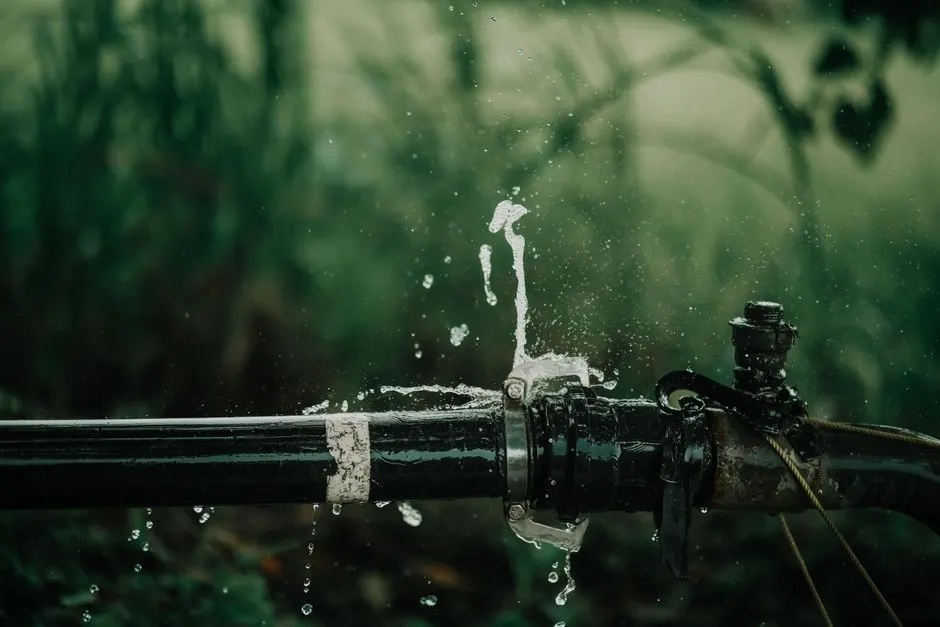
- Burst pipe moisture assessment — After a pipe break, we confirm the water is shut off, extract pooled water, and check nearby walls, cabinets, and floor finishes. Mahomet homeowners should mention whether the leak occurred near an exterior wall or unheated space. Those details help us inspect likely hidden paths.
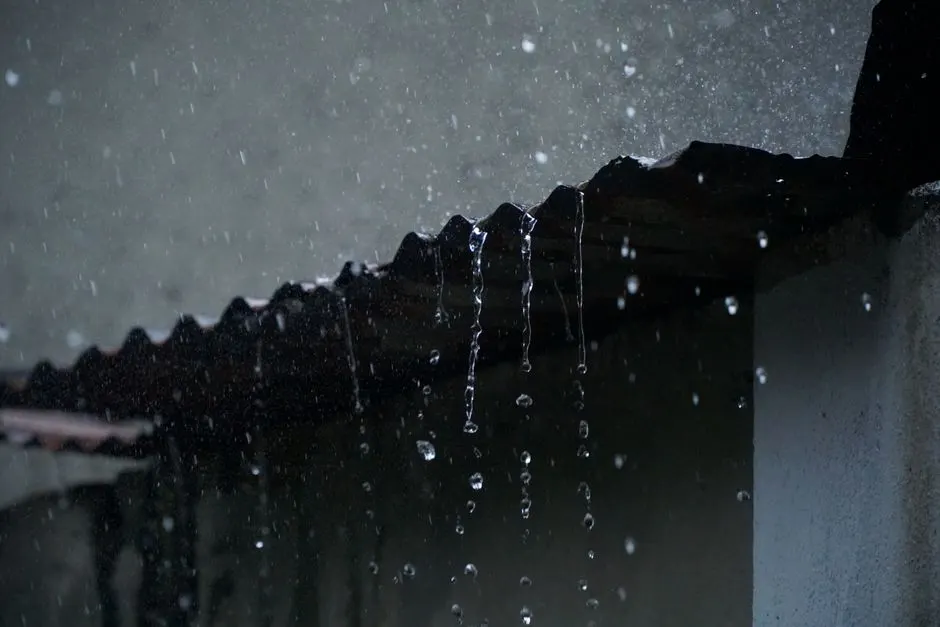
- Storm and roof leak extraction — When rain enters a Mahomet home, we remove water from affected rooms and assess wet ceilings, insulation, and belongings. The roof or exterior opening must be stopped to prevent repeat wetting. We document moisture readings and place drying equipment where the affected materials require it.