

Residential Water Extraction for Rock Falls Homes
Rock Falls homes include older houses with basements, newer residences, apartments, and properties with finished lower levels. Each layout changes how we reach water beneath flooring, around utilities, or behind wall finishes. A plumbing leak in a kitchen can travel down into a ceiling; stormwater may pool near a basement entry; a failed appliance line can quietly wet the cabinet base. We remove water, inspect nearby materials, and explain the drying plan in direct terms. For residential water damage restoration, our focus is to protect sound rooms, identify what is actually wet, and return your household to normal use as the affected materials dry or are replaced.
- Basement water and contents removal — When water reaches a Rock Falls basement, we extract pooled water and help separate wet contents from items that can remain in place. We inspect the floor perimeter and lower wall sections, then set drying equipment according to measured conditions. If the source is a sump pump or drain problem, we identify whether water is still able to return.
- Kitchen and appliance leak cleanup — A leaking dishwasher, refrigerator line, or sink connection can leave water beneath cabinets before you see it. We extract the water, check the cabinet toe-kick and adjacent flooring, and measure moisture at nearby baseboards. In Rock Falls homes, early inspection helps reveal whether the problem is a surface spill or a wet subfloor.
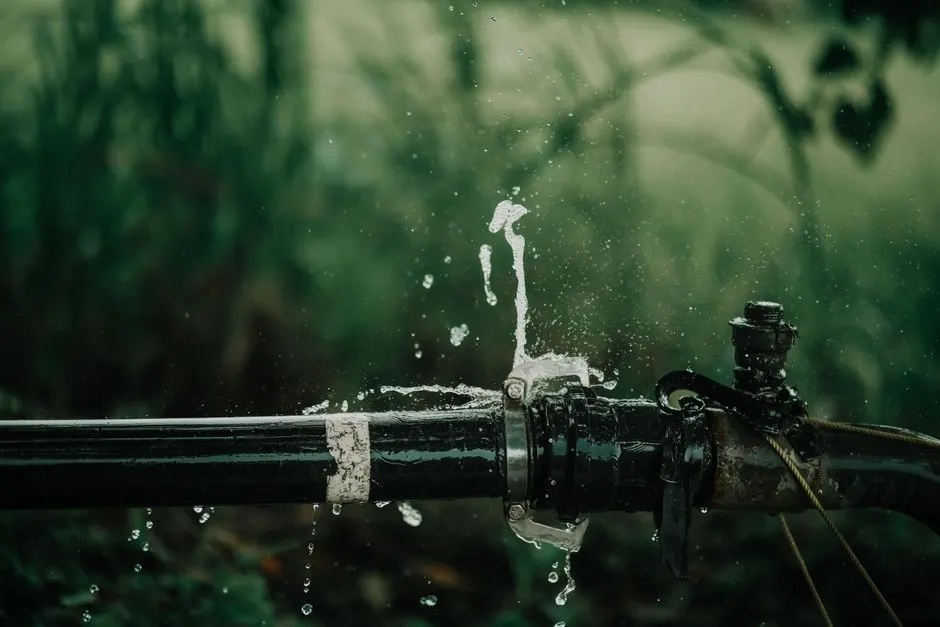
- Burst pipe and winter leak response — A burst pipe can affect several rooms or levels in a short time. We help you focus on safe source shutoff, remove water from floors, and check the route below and beside the damaged line. For Rock Falls homes, moisture readings guide decisions about wet drywall, insulation, and flooring after plumbing repair.
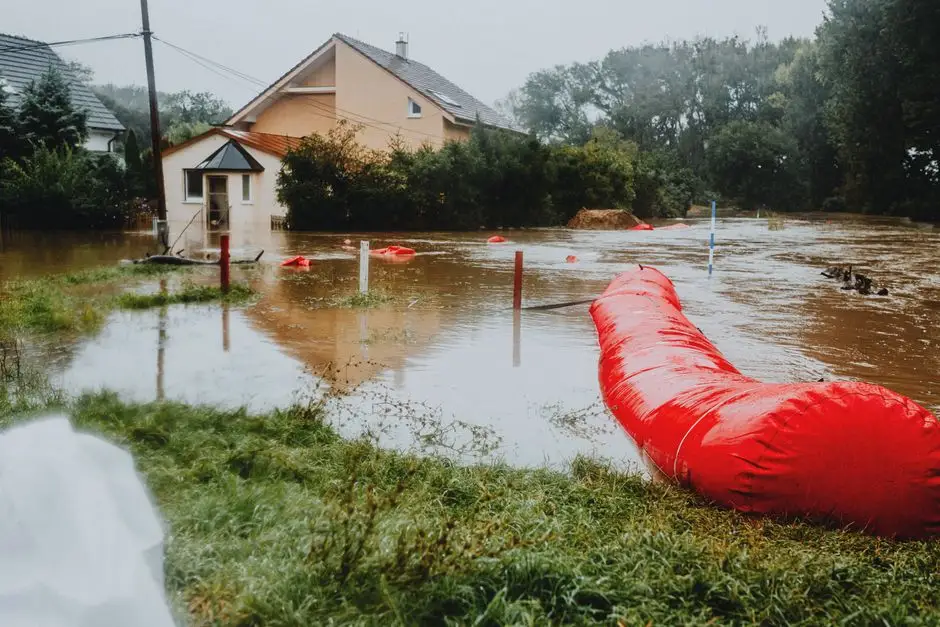
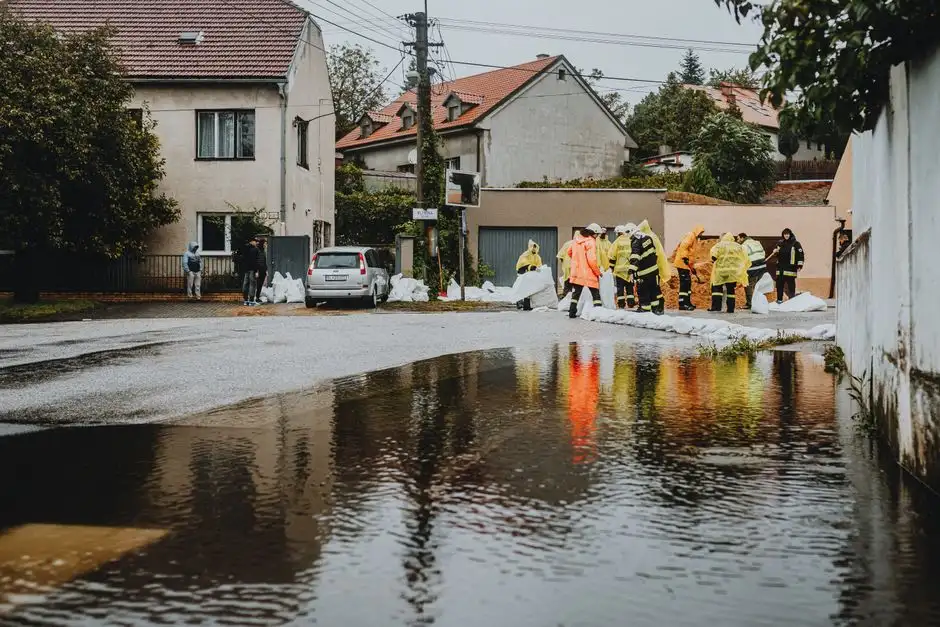
- Stormwater and roof leak extraction — Stormwater entering a Rock Falls home can reach a basement, garage, ceiling, or finished room. We remove interior water, protect household belongings, and check the likely path from entry to the visible damage. After the exterior source is addressed, drying checks show whether affected finishes can remain in place.