Residential Water Extraction for Sauk Village Homes
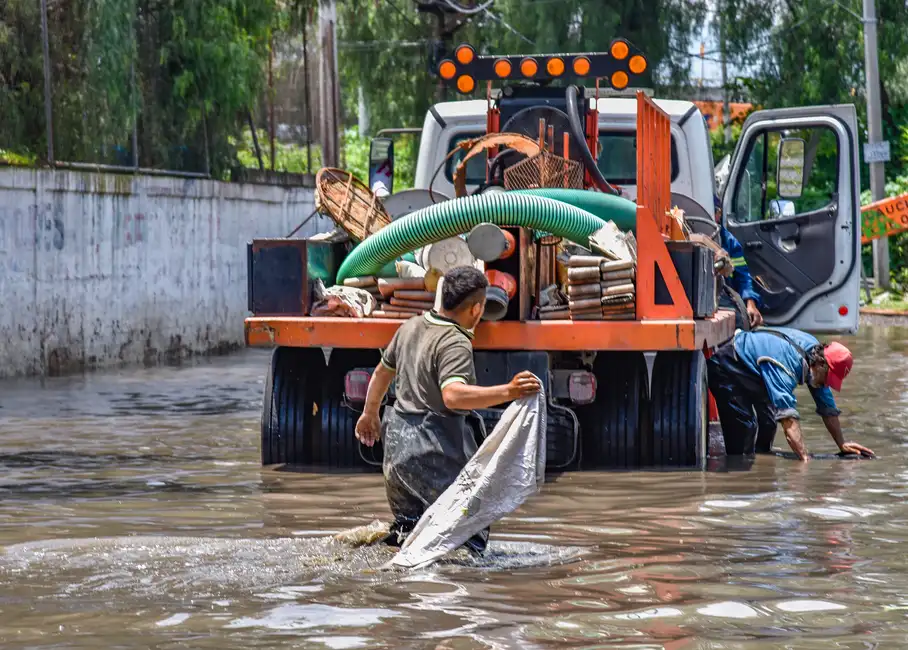
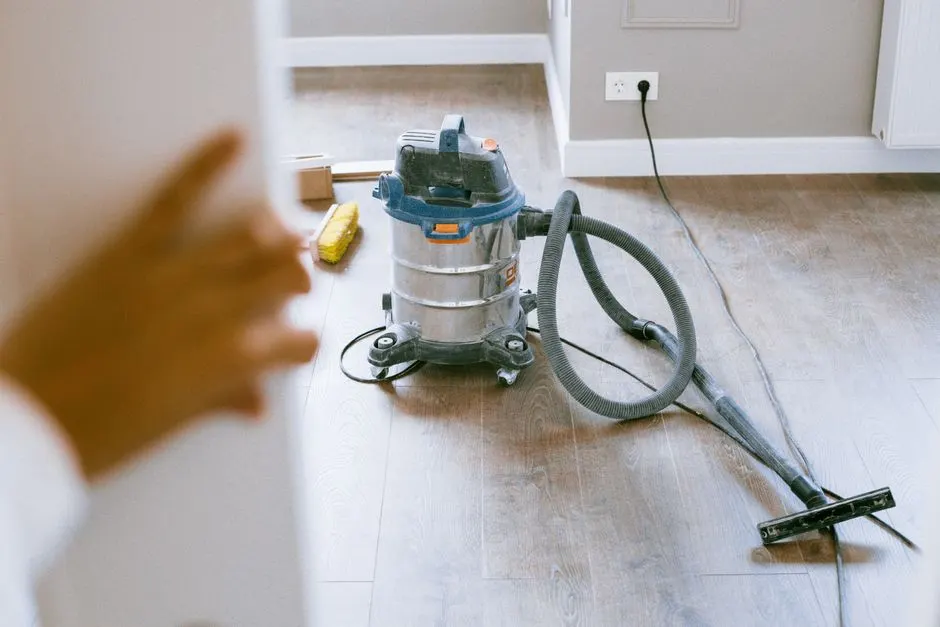
Sauk Village homeowners often call from single-family homes with basements, utility rooms, and finished lower levels. Water from a sump pump failure, appliance leak, or burst pipe can move from one room to another before the source is obvious. We remove water, inspect connected spaces, and check surfaces that can hold moisture below the visible layer. For water damage restoration, the next step depends on the materials: carpet padding, drywall, and wood flooring each need a different response. We keep pathways clear and explain which rooms should stay unused while equipment runs. If you have children, pets, or mobility needs, tell us before setup so we can plan access around your household.
- Finished basement water removal — We pump and extract standing water from finished basements in Sauk Village, then check the floor edge, carpet, and nearby drywall for retained moisture. Tell us where stored items and electrical equipment are located so we can create a safe working path. We aim to get the floor clear and establish a drying plan without moving more of your household than necessary.
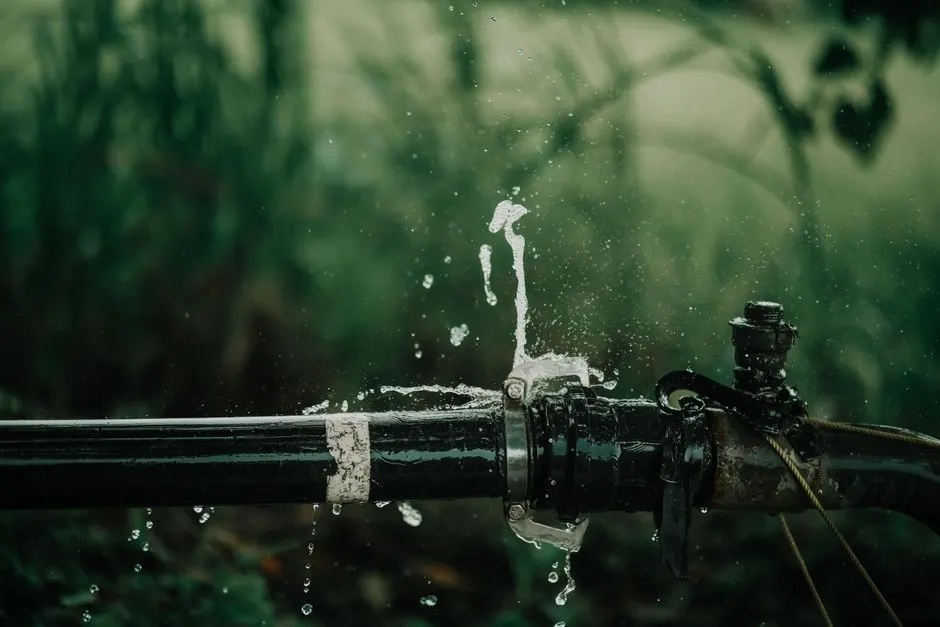
- Pipe leak room-to-room extraction — A pipe leak can run beneath doors and into hallways before you find it. In Sauk Village homes, we trace the wet path from the source, extract pooled water, and inspect connected rooms and baseboards. We record readings at affected surfaces and explain whether targeted drying is needed after the plumbing repair.
- Appliance leak cleanup — A failed washer hose or dishwasher connection can soak a cabinet base and nearby flooring. We remove water from the accessible area, check the adjacent room, and note whether moisture extends beneath the finished floor. In Sauk Village, the goal is to stop water migration and make your laundry or kitchen area usable as soon as conditions allow.
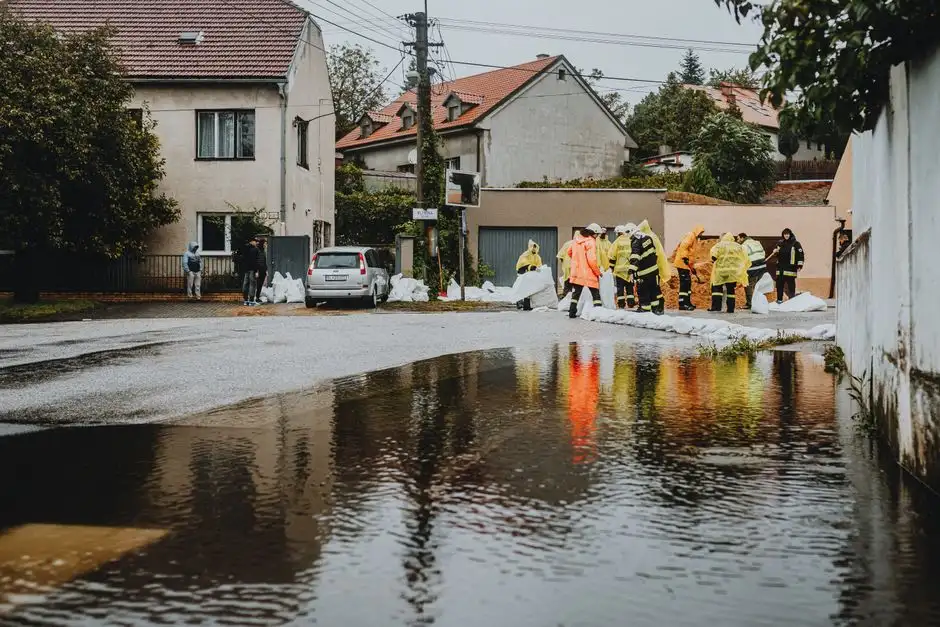
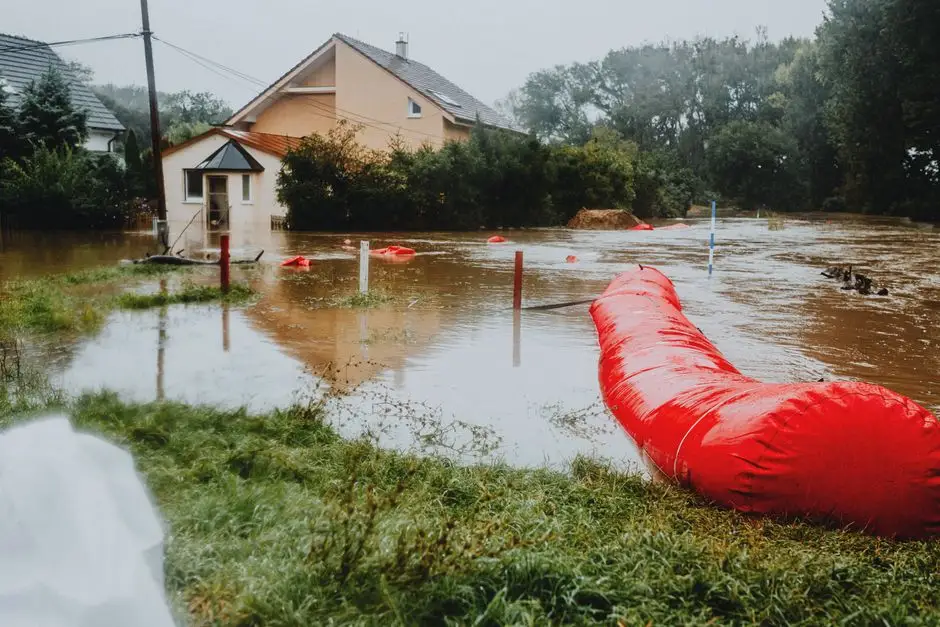
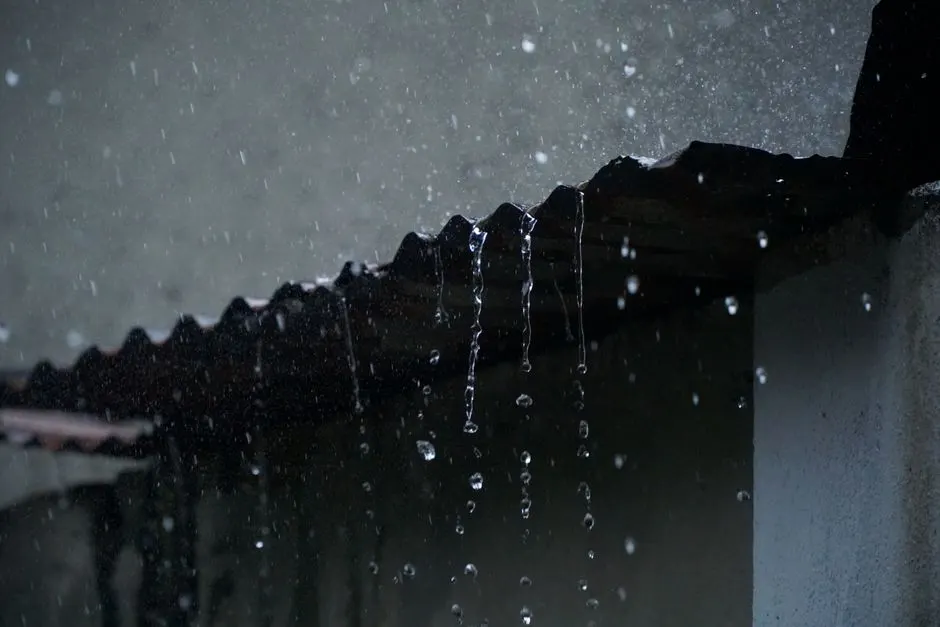
- Stormwater entry cleanup — After rainwater enters a lower-level doorway, our Sauk Village crew extracts the water and removes loose debris before checking the threshold and nearby wall. We separate surfaces needing cleaning from those requiring drying, then explain what should remain clear during follow-up. You get a defined cleanup sequence, not just a quick pass over the visible puddle.