


Residential Water Extraction for Wood Dale Homes
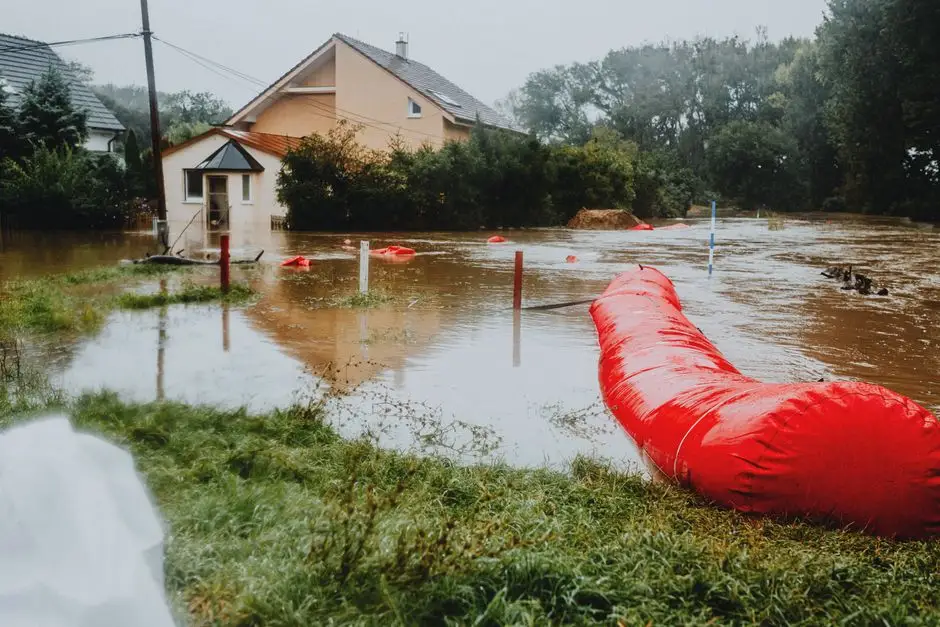
Wood Dale homes include detached houses, townhomes, and properties with finished or unfinished basements. A failed sump pump, broken supply line, or appliance leak can affect family rooms, laundry areas, and stored belongings before the source is obvious. We start by removing standing water, then check connected flooring and lower walls so you know whether the wet area extends beyond the first room. Our emergency water extraction process keeps household access in mind. We protect a usable route where possible, move affected contents out of the wet zone, and select equipment for basement stairs, narrow halls, or upper-floor rooms. If carpet padding, drywall, or subflooring holds moisture, we explain the next drying step and monitor readings as the materials respond.
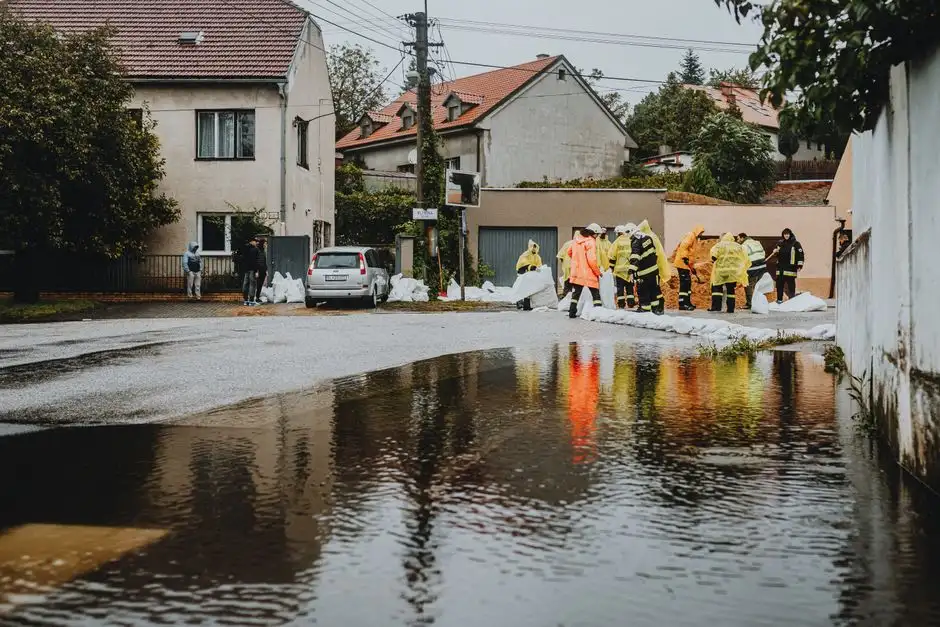
- Basement floor water removal — We remove water from Wood Dale basements after sump pump failure, plumbing leaks, or stormwater entry. Deeper water is pumped first, then we extract remaining floor moisture and inspect carpet edges, baseboards, and accessible wall surfaces. You get a clear account of affected areas and practical steps for protecting belongings.
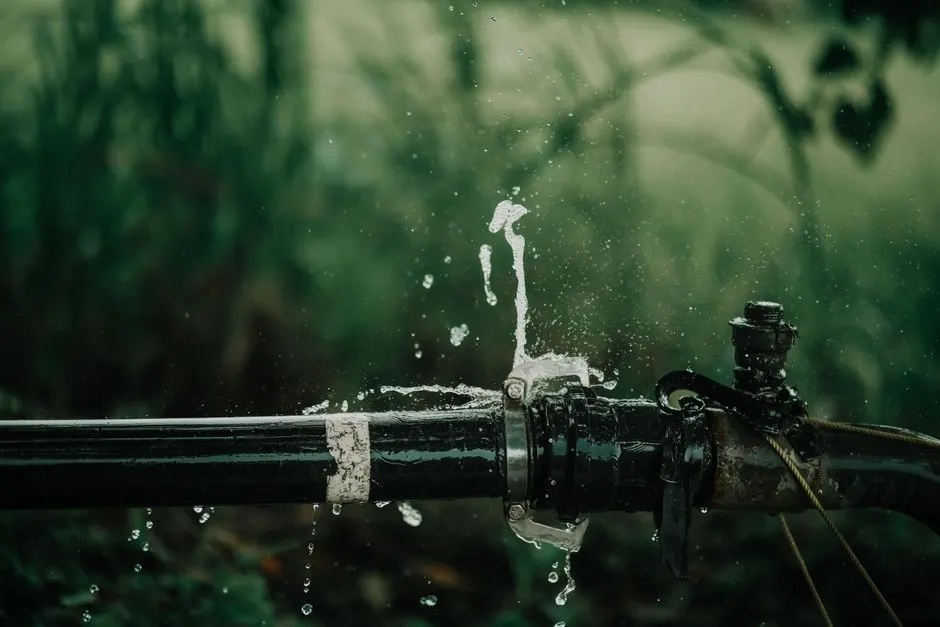
- Pipe leak room extraction — After a pipe leak, water often reaches more than the spot where it appears. We extract the visible water in your Wood Dale home and check nearby rooms, flooring transitions, and lower walls. Moisture readings guide equipment placement so drying addresses the materials that were actually exposed.
- Appliance spill cleanup — A dishwasher, washer, or refrigerator line can send water beneath cabinets and across a kitchen or laundry floor. We remove water, inspect edges and adjoining rooms, and identify whether carpet padding or the subfloor remains damp. Stopping the appliance source comes first; then we dry the affected footprint.
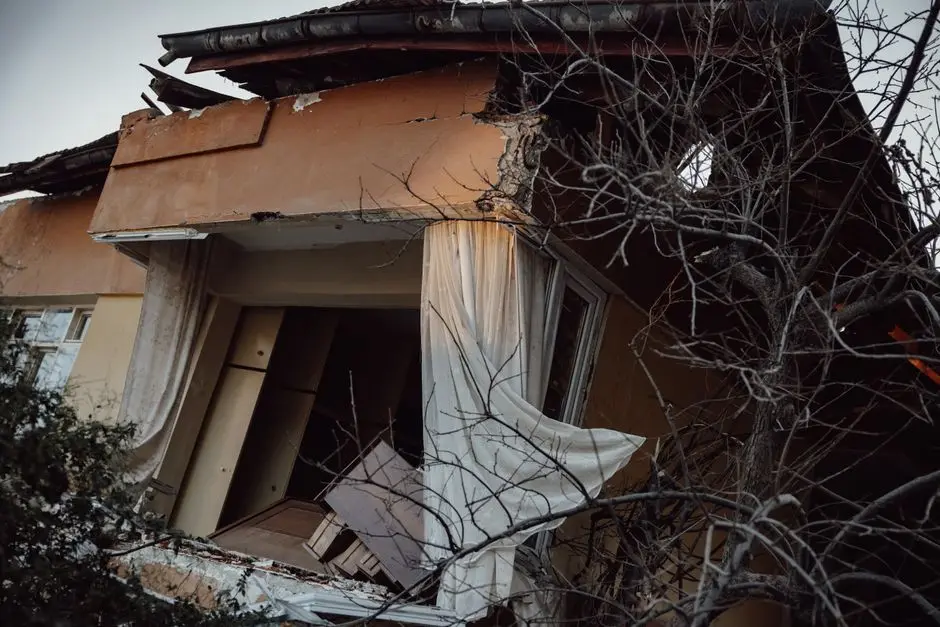
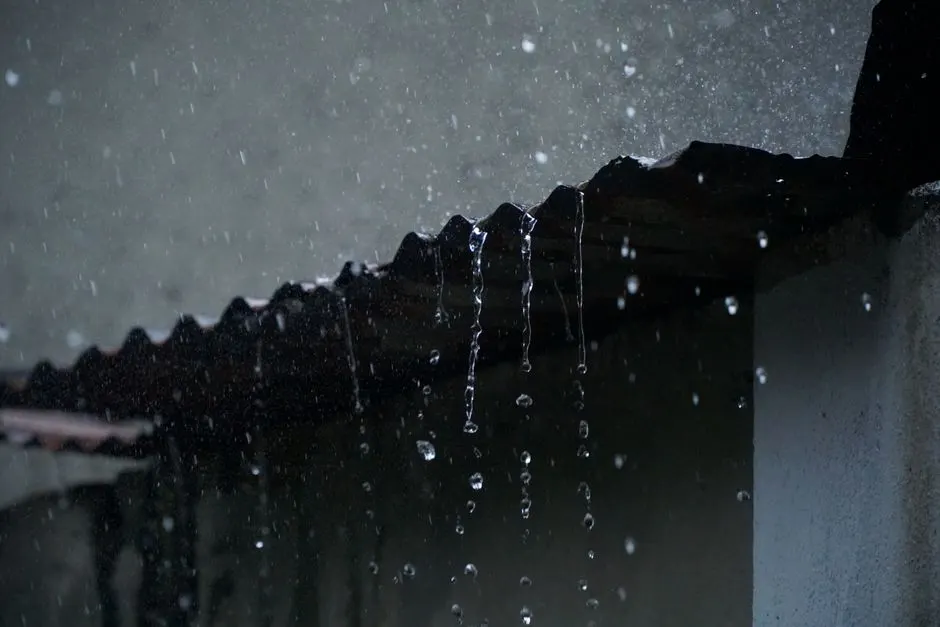
- Storm leak interior cleanup — When rain enters through a roof or ground-level opening, we protect contents and remove pooled water from your Wood Dale property. We inspect the interior path, including nearby ceiling and wall surfaces, because water can travel before it drips. Drying follows measured conditions, not just the visible stain.